

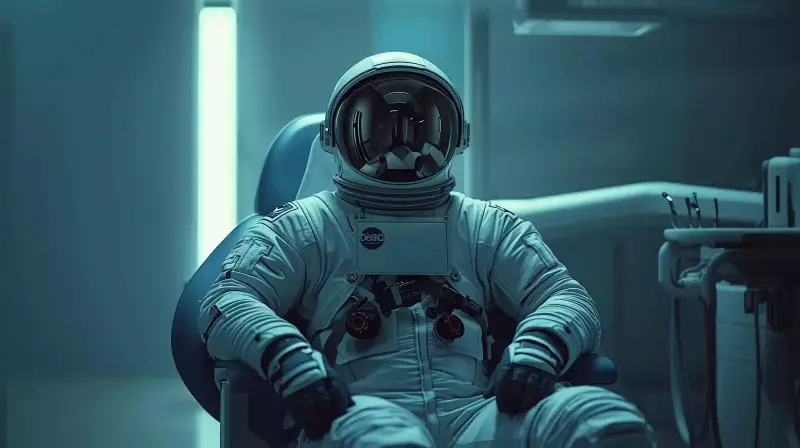
When we imagine space travel, we think of rocket launches and cosmic vistas, not dental procedures. Yet, for astronauts venturing beyond Earth, even the smallest bodily concerns must be addressed long before liftoff. Shubhanshu Shukla, the first Indian astronaut to travel to the International Space Station (ISS), recently highlighted this often-overlooked aspect of mission preparation.
The Unseen Pre-Launch Surgery
Speaking at an event at IIT Mumbai, Shukla shared a revealing detail from his pre-flight regimen. He underwent surgery to remove two perfectly healthy wisdom teeth. There was no pain or active infection. This was a purely preventive measure, taken quietly during training. The logic is stark: in the isolated, microgravity environment of space, a minor dental issue can escalate into a major crisis.
On Earth, a problematic wisdom tooth means a visit to the dentist. In orbit, medical help is extremely limited. Astronauts cannot simply call in a specialist. Painkillers offer only temporary relief, and an infection in a closed, weightless environment poses significant health risks. More critically, dental surgery is virtually impossible to perform in space. The required tools, sterile conditions, and the unpredictable behavior of fluids and blood in zero-gravity make procedures like an extraction highly risky.

Why Prevention is Non-Negotiable
Wisdom teeth are notoriously unpredictable. They can remain dormant for years before suddenly causing swelling, pain, or infection. For an astronaut on a critical mission, such sudden pain could severely impact focus, sleep, and the ability to perform complex tasks. Shukla noted that while astronauts train for many medical emergencies, performing dental surgery is not part of that training.
This philosophy of "prevent to ensure" extends beyond Shukla. He mentioned that fellow astronauts have also undergone similar pre-emptive dental procedures. Decisions are made after thorough scans and risk assessments. If a tooth shows any potential to cause trouble in the future, it is often removed. The goal is not comfort but absolute reliability. Space missions depend on stable health, down to the smallest, most predictable detail.
Implications for the Future of Space Exploration
The importance of this preventive approach grows with mission duration. While ISS missions last months, planned voyages to the Moon and Mars will span years. A minor dental issue at the beginning could become a debilitating, mission-threatening problem over such a long period.
Shukla's experience underscores that astronaut preparation is holistic. It goes far beyond physical fitness and technical simulations. It encompasses mental resilience, disciplined routines, and rigorous preventive healthcare. Every aspect—from teeth and eyesight to bone density and sleep patterns—is meticulously monitored and managed. Space travel demands a body that is not only strong but also meticulously prepared to be as predictable and trouble-free as possible.
This story reveals a fundamental truth about human spaceflight: the journey to the stars begins with ensuring that the most ordinary parts of our earthly selves won't become extraordinary liabilities hundreds of kilometers above the planet.






