

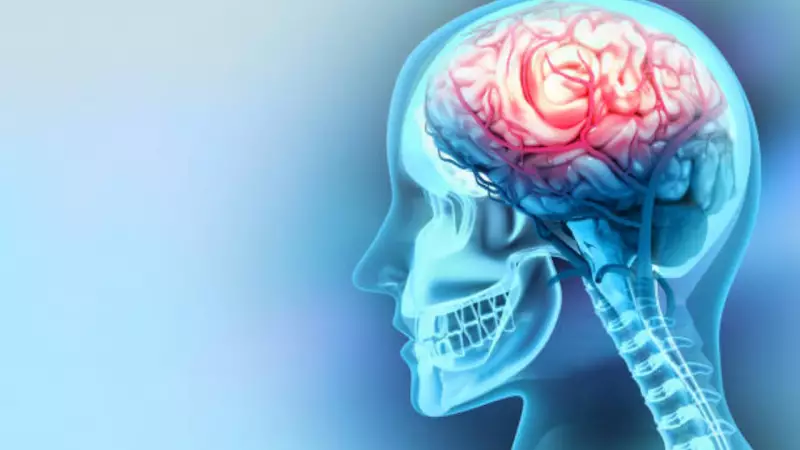
In the realm of neurological emergencies, few conditions are as stealthy and terrifying as a brain aneurysm. Often lurking without a single warning sign, these vascular time bombs can rupture in an instant, leading to a life-threatening brain hemorrhage known as a subarachnoid hemorrhage. This silent threat underscores a critical gap in preventive healthcare, where awareness and understanding become the first line of defense.
What Exactly is a Brain Aneurysm?
Imagine a weak spot on the wall of a blood vessel in your brain. Under constant pressure from blood flow, this weak area begins to bulge outward, forming a balloon-like pouch. This is an aneurysm. The most frightening aspect is that the vast majority of these aneurysms cause no symptoms and may go undetected for a person's entire life. They are frequently discovered by chance during brain scans conducted for unrelated issues like chronic headaches or sinus problems.
However, the stakes change dramatically if the aneurysm ruptures. When the vessel wall gives way, blood escapes into the space surrounding the brain. This event is a medical catastrophe that requires immediate intervention to prevent stroke, coma, or death. The transition from silent presence to active crisis can happen in a split second.

Unraveling the Causes: Why Do Blood Vessels Weaken?
There is no single culprit behind the formation of a brain aneurysm. Medical experts point to a combination of structural, genetic, and lifestyle factors that compromise blood vessel integrity over time.
Congenital Factors: Some individuals are born with inherent weaknesses in the walls of their brain arteries. These defects can be inherited and may remain stable for decades before becoming problematic.
Hypertension: Chronic high blood pressure exerts relentless force on vessel walls. Over time, this pressure can cause a vulnerable spot, often where arteries branch, to balloon out and form an aneurysm.
Smoking: Research consistently shows a strong link between smoking and increased aneurysm risk. The toxic chemicals in smoke damage the endothelium, the delicate inner lining of blood vessels, making them prone to weakening.
Age and Genetics: As we age, arteries naturally lose elasticity, increasing vulnerability. Furthermore, a family history of aneurysms or certain inherited connective tissue disorders can predispose individuals to this condition.
Recognizing the Danger: Symptoms of Rupture and Warning Signs
Until they burst, most aneurysms are silent. However, a large, unruptured aneurysm can sometimes press on nerves, causing potential warning signs like a persistent headache behind the eyes, vision changes, drooping eyelids, or facial pain. These symptoms are rare but significant.
The hallmark of a rupture is the sudden, explosive onset of what patients often describe as "the worst headache of my life." Medically termed a "thunderclap headache," it may be accompanied by nausea, vomiting, a stiff neck, confusion, sensitivity to light, or loss of consciousness. This scenario demands an immediate trip to the emergency room.
Advanced Treatment Pathways in India
Thanks to significant advancements in neurovascular care, the prognosis for aneurysm patients has improved greatly. In India, specialists employ two primary treatment modalities to prevent rupture or manage a burst aneurysm.
Endovascular Coiling: This is a minimally invasive procedure where a surgeon threads a catheter through an artery in the groin or wrist up to the brain. Tiny platinum coils are then deployed into the aneurysm sac. These coils promote blood clotting, effectively sealing off the aneurysm from the circulation and preventing rupture.
Microsurgical Clipping: In this traditional open surgery, a neurosurgeon places a small titanium clip across the neck (base) of the aneurysm. This clip blocks blood flow into the aneurysm, eliminating the risk of hemorrhage. It is often used for complex aneurysm shapes or where coiling is not feasible.

Dr. Pravin Tukaram Survashe, Consultant - Neurosurgery at Manipal Hospital in Kharadi, Pune, emphasizes that knowledge and timely action are paramount. Individuals with a family history of aneurysms or who experience sudden, severe neurological symptoms should seek prompt medical evaluation. Modern imaging techniques make early detection possible, and timely intervention can avert a life-threatening crisis.





