Brain-Dead Andhra Woman's Organ Donation Gives New Life to Six Patients
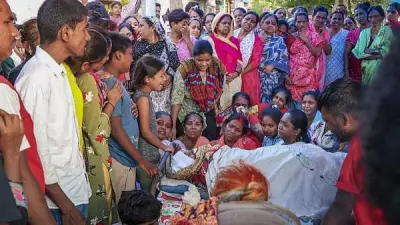
In a poignant act of generosity, a 25-year-old brain-dead woman from Andhra Pradesh has provided a new lease of life to six individuals after her family consented to organ donation on Tuesday. The woman, identified as Naidu Madhusri, a resident of Jangareddy Gudem, was admitted to KIMS SIKHARA Hospital in Guntur on March 13, following a severe week-long medical crisis.
Tragic Circumstances Leading to Hospitalization
According to family statements, Madhusri attempted suicide on March 8 due to personal family issues. She was initially rushed to a local hospital in Jangareddy Gudem for emergency treatment. After receiving primary aid, doctors there advised the family to seek care at a higher medical centre to improve her chances of recovery.
The family then transferred her to a private hospital in Vijayawada, where medical professionals recommended moving her to a more advanced facility for specialized treatment. Subsequently, she was rushed to KIMS SIKHARA Hospital, where a team of specialists, including neurologists, provided the highest level of medical care.

Medical Efforts and Declaration of Brain Death
Despite relentless efforts by the medical team, Madhusri's condition showed no signs of improvement. On March 15, doctors performed an apnea test, which confirmed the cessation of brainstem function, leading to her being declared brain-dead. This diagnosis marked a critical turning point, opening the possibility for organ donation to save other lives.
Organ Donation Process and Life-Saving Transplants
Following the family's consent, the Jeevandhan authorities activated the organ allocation process. As per standard protocol, Madhusri's healthy organs were allocated to patients on the waiting list. Her two kidneys were transplanted to two individuals suffering from end-stage renal disease, providing them with a chance at normal life.
Her liver saved one person from liver failure, while her lungs gave the gift of breath to a patient battling chronic respiratory failure. Additionally, her eyes were harvested and offered to patients with corneal blindness, potentially restoring their vision. This comprehensive donation highlights the profound impact a single act can have on multiple lives.
Broader Implications and Awareness
This incident underscores the critical importance of organ donation in India, where there is a significant shortage of donors. It serves as a powerful reminder of how families, even in times of grief, can make decisions that transform tragedy into hope for others. The medical community continues to advocate for increased awareness and participation in organ donation programs to address the growing demand for transplants.
Stories like Madhusri's not only save lives but also inspire others to consider organ donation, potentially reducing wait times and improving healthcare outcomes across the region. The successful transplants at KIMS SIKHARA Hospital demonstrate the effectiveness of coordinated medical efforts and the life-saving potential of such donations.