Delhi Hospital Achieves Medical Milestone with Kidney Transplant for HIV-Positive Patient
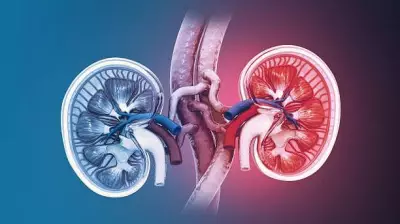
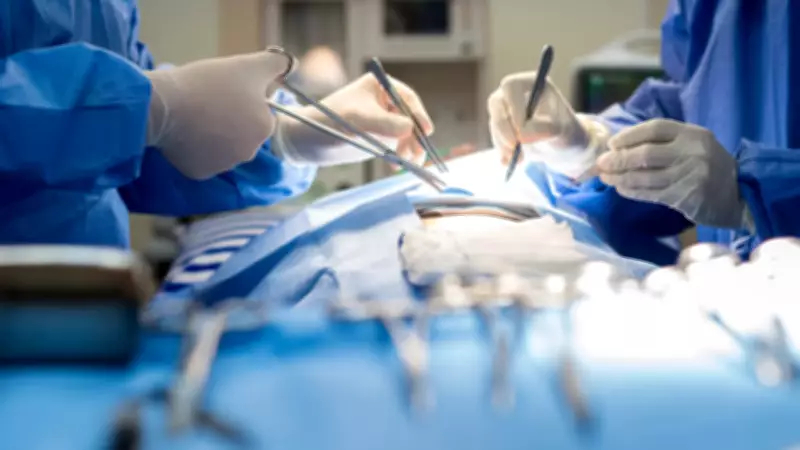
In a groundbreaking medical achievement, doctors at Max Hospital Patparganj in Delhi have successfully performed a complex living donor kidney transplant on a 43-year-old HIV-positive patient from Ethiopia who was suffering from end-stage renal disease. This procedure represents a significant advancement in transplant medicine, demonstrating that HIV is no longer an absolute barrier to life-saving organ transplantation when managed with modern protocols.
Patient's Medical Journey and Treatment
The patient had been living with HIV for over a decade and developed end-stage kidney disease three years ago, which necessitated regular dialysis treatments. Seeking advanced medical care unavailable in his home country, he traveled to India where he underwent comprehensive evaluation by a multidisciplinary transplant team at Max Hospital Patparganj.
After thorough pre-transplant assessment, medical professionals determined that the patient's 33-year-old wife was a suitable living donor. Compatibility testing confirmed matching blood groups and a negative crossmatch, allowing the surgical team to proceed with the transplantation procedure with confidence in its potential success.

Overcoming Historical Medical Challenges
Kidney transplantation in HIV-positive individuals has historically presented substantial challenges due to increased infection risks and the complexities of managing immune suppression alongside antiretroviral therapy. However, recent advances in both antiretroviral treatments and specialized transplant protocols have made such procedures increasingly safe for carefully selected patients who meet specific medical criteria.
Before the surgery, the patient underwent extensive evaluation to ensure his HIV was well-controlled, with a stable immune profile and an undetectable viral load. These factors were crucial in minimizing risks and optimizing the chances for a successful transplant outcome.
Surgical Team and Medical Expertise
The complex surgery was led by Dr. Paresh Jain, senior director of urology, robotic surgery and renal transplant, working in collaboration with Dr. Ravi Kumar Singh, senior consultant in nephrology and transplant medicine. Their combined expertise in both surgical precision and medical management proved essential to the procedure's success.
"In this particular case, careful pre-transplant evaluation, precise surgical execution and meticulous postoperative monitoring were absolutely critical to ensuring a successful outcome," explained Dr. Paresh Jain. "This procedure reflects how advances in transplant science and surgical expertise are enabling us to safely expand access to life-saving transplants for patients who were once considered high-risk candidates."
Dr. Ravi Kumar Singh emphasized the evolving medical perspective regarding such patients: "HIV is no longer a barrier to organ transplantation when managed appropriately with modern medical protocols and careful patient selection."
Post-Transplant Recovery and Future Outlook
According to the medical team, the patient is recovering well following the successful transplant procedure. He has been taken off dialysis and is gradually resuming normal daily activities while continuing on a carefully monitored regimen that includes both immunosuppressive medications and antiretroviral therapy.
This case establishes an important precedent in transplant medicine, demonstrating that with proper medical management, HIV-positive patients with end-stage organ disease can successfully receive life-saving transplants. The successful outcome at Max Hospital Patparganj provides hope for similar patients worldwide who might benefit from such advanced medical interventions.