

Most rare medical conditions do not announce themselves with dramatic flair when patients enter a clinic. Instead, they arrive quietly, disguised as ordinary health complaints that initially appear routine. A persistent headache that doesn't quite match typical patterns. Unexplained fatigue that lingers despite adequate rest. Pain that appears, vanishes temporarily, then returns with increased intensity. At first glance, these symptoms seem commonplace, which is precisely why rare medical cases prove so challenging to identify.
The Diagnostic Challenge of Rare Conditions
Medical professionals typically begin their diagnostic process by eliminating common possibilities, as this approach proves effective in the vast majority of cases. When standard treatments yield expected results and symptoms follow predictable patterns, doctors can confidently address the most likely conditions. However, experienced physicians develop an instinct for when something doesn't align properly.
Doctors pay close attention to patterns that extend beyond laboratory results alone. They listen carefully when patients express that their symptoms feel unusual or when clinical presentations don't match textbook descriptions. When a patient insists, "This doesn't feel normal for me," that statement carries significant weight in the diagnostic process.

The Methodical Approach to Rare Diagnoses
This is when medical professionals begin digging deeper into the mystery. They ask more detailed questions about symptom progression, family medical history, lifestyle factors, and seemingly minor details that might have appeared irrelevant during initial consultations. Sometimes, physicians must reconsider their own preliminary diagnoses when evidence points in unexpected directions.
The detection of rare medical conditions typically results from persistent investigation rather than fortunate coincidence. A doctor might notice that standard treatments aren't producing expected improvements. Laboratory values might show subtle but consistent changes over time. Symptoms might spread to new areas rather than stabilizing. These observations often trigger referrals to specialists who bring additional expertise to the diagnostic puzzle.
A Case Study in Rare Condition Management
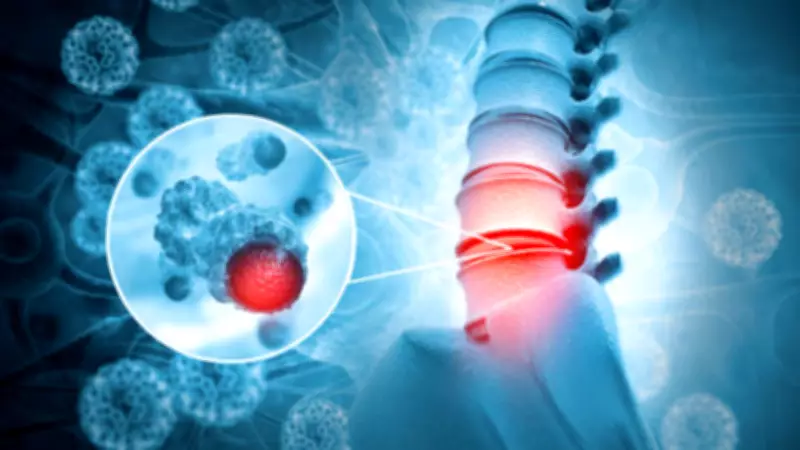
A compelling example comes from Dr. Manav Suryawanshi of Amrita Hospitals, who diagnosed and treated a particularly challenging case. A 28-year-old woman initially underwent a chest scan for what appeared to be bronchitis symptoms. The scan revealed an unexpected shadow near her spine at the D11/D12 vertebral level, dangerously close to critical nerves and blood vessels.
Further investigation identified this as a ganglioneuroma, typically a benign tumor that nevertheless required careful removal due to its precarious location. "The challenge here extended beyond technical surgical considerations," explained Dr. Suryawanshi. "It demanded exceptional interdisciplinary collaboration, as no single medical specialty could safely address the tumor's complexity."
Collaborative Surgical Precision
The surgical team assembled three senior specialists to tackle this delicate procedure. Dr. Manav Suryawanshi employed robotic technology for enhanced precision, while Dr. Sameer Bhate, a cardiothoracic surgeon, navigated the chest cavity's internal structures. Dr. Anand Balasubramanium, a neurosurgeon, monitored spinal nerve integrity throughout the operation.
Using minimally invasive techniques, the robotic instruments carefully separated the tumor from surrounding critical structures including the aorta and adjacent nerves. The surgical team successfully removed the tumor completely with minimal blood loss. Remarkably, the patient returned home just three days post-surgery, with pathology confirming the tumor's benign nature and follow-up scans showing complete resolution after six months.
Beyond Diagnosis: Comprehensive Rare Disease Management
Once a rare condition becomes suspected or confirmed, medical focus shifts toward comprehensive management rather than immediate complete resolution. The primary objectives often involve preventing further damage, slowing disease progression, and protecting vital organ function. Treatment plans typically incorporate multiple medical teams addressing various aspects of care.

Doctors develop integrated approaches that may include specialized medications, nutritional support, physiotherapy, and mental health considerations. This comprehensive perspective recognizes that rare diseases rarely affect isolated body systems, instead influencing multiple aspects of daily functioning and overall wellbeing.
The Importance of Realistic Monitoring
Medical teams maintain close monitoring of rare condition progression, adjusting medication dosages and treatment strategies as needed. Rather than presenting recovery as a linear process, physicians prepare patients for potential setbacks while maintaining realistic optimism. This honest approach to patient communication proves crucial for long-term management success.
While rare medical cases remain statistically uncommon by definition, they receive dedicated attention through persistent investigation, patient collaboration, and medical professionals who look beyond surface-level presentations. This concerted effort often prevents patients' health from gradually deteriorating unnoticed, demonstrating how medical vigilance can identify even the most elusive conditions.
The young woman's story represents more than successful tumor removal; it illustrates how medical expertise, technological advancement, and interdisciplinary cooperation can address even the most complex and intimidating health challenges. Her experience highlights medicine's evolving capacity to combine human insight with technological precision for optimal patient outcomes.





