Dutch Man's Persistent Headaches in Kolkata Lead to Critical Brain Tumor Discovery
A 36-year-old Dutch citizen's unrelenting headaches and bouts of vomiting, initially dismissed by doctors in the Netherlands as a reaction to rapid weather changes, were ultimately diagnosed as a life-threatening brain tumor during his recent visit to Kolkata. This medical mystery unfolded when the patient, who had traveled from the humid climate of Singapore to biting European temperatures in mid-January, experienced the same severe symptoms upon arriving in Kolkata with his wife during Valentine's week.
Emergency Hospitalization and Diagnosis
Intense headaches and vomiting prompted the man's wife to rush him to C K Birla Hospitals, CMRI, where he was admitted under the care of Dr. Biswarup Lahiri. A CT scan and subsequent MRI revealed a tumor lodged in the back of his head, specifically at the critical junction where the brainstem meets the cerebellum. The hospital's neurosurgery team was immediately mobilized to address this urgent case.
"The patient's heart rate was dangerously low, sometimes dropping to 56 beats per minute," explained neurosurgeon Amitabha Chanda, head of the department. "Tumors in this area can be deceptively silent, potentially leading to sudden cardiorespiratory collapse without any prior warning."

High-Risk Surgical Intervention
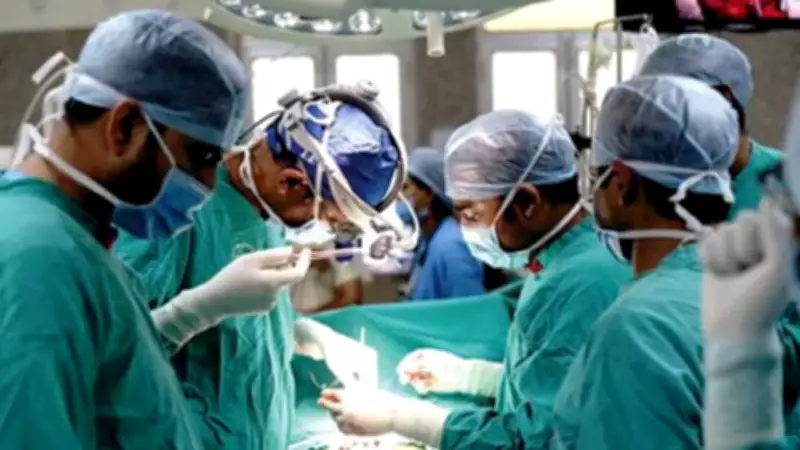
Given the imminent risk to the patient's life, Dr. Chanda and his team proceeded with an emergency surgery. By the time the patient was wheeled into the operating theatre, his heart rate had plummeted to a critical 38 beats per minute, underscoring the urgency of the situation.
The surgical procedure required extreme precision, as the tumor was located at one of the most vital crossroads in the human body. The brainstem controls essential functions such as breathing, heartbeat, consciousness, eye movement, and limb control, while the cerebellum is crucial for balance and coordination.
"The mass was treacherously vascular and clung stubbornly to structures where even a millimeter's error could result in loss of speech, movement, or life itself," Dr. Chanda emphasized. With meticulous care, the neurosurgeon dissected the tumor from these vital structures, successfully excising the entire growth.
Successful Recovery and Discharge
Post-surgery, the patient made an uneventful recovery, demonstrating the effectiveness of the timely intervention. He was discharged from the hospital just five days later and subsequently returned to his home country in good health. This case highlights the importance of thorough medical evaluation when patients present with persistent symptoms, even if they are initially attributed to benign causes like weather changes.
The successful outcome in Kolkata contrasts with the earlier dismissal of his condition in the Netherlands, serving as a reminder of the critical role that accurate diagnosis and prompt surgical care play in saving lives, especially in complex neurological cases.