

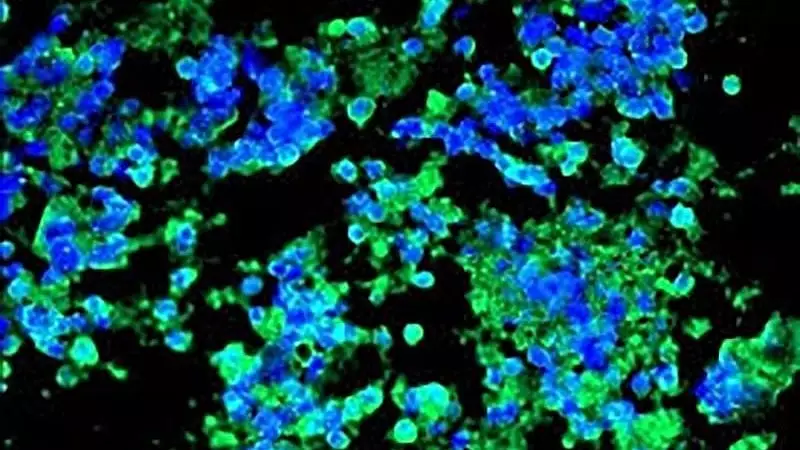
Harnessing Natural Immunity: Experimental Cancer Drug Shows Early Promise
In a groundbreaking development that could revolutionize oncology treatment, researchers have successfully developed an experimental drug derived from the natural immune responses that some individuals possess to defeat cancer. This innovative approach represents years of dedicated scientific research and exploration into how certain immune systems naturally combat malignant cells.
From Natural Defense to Pharmaceutical Innovation
The journey from observing natural cancer-fighting immune responses to creating a viable pharmaceutical candidate has been extensive. Scientists have meticulously studied individuals whose immune systems demonstrate remarkable ability to identify and eliminate cancer cells, seeking to understand the biological mechanisms behind this phenomenon. The resulting experimental drug represents a significant milestone in translating these natural defenses into a therapeutic intervention.
Initial testing has focused exclusively on lung cancer patients, with small-scale trials showing encouraging preliminary results. These early findings suggest the drug may effectively harness the body's own immune capabilities to target and destroy cancer cells, potentially offering a new treatment avenue for one of the most challenging forms of cancer.

Cautious Optimism Amid Scientific Rigor
While the initial results are promising, researchers emphasize the need for cautious optimism. Most experimental drugs that show early promise ultimately fail during larger, more rigorous clinical trials, a reality that underscores the importance of continued scientific validation. The current encouraging data comes from limited patient populations, and comprehensive studies involving diverse patient groups will be essential to determine the drug's true efficacy and safety profile.
The development process has followed strict scientific protocols, with researchers adhering to international standards for drug testing and validation. The transition from small-scale trials to broader studies represents a critical phase where many promising treatments encounter unexpected challenges or limitations.
Potential Implications for Cancer Treatment
If subsequent trials confirm the drug's effectiveness, this approach could represent a paradigm shift in cancer therapy:
- Harnessing natural immune responses rather than relying solely on external interventions
- Potentially reducing side effects compared to traditional chemotherapy
- Offering personalized treatment approaches based on individual immune profiles
- Creating new possibilities for combination therapies with existing treatments
The research builds upon growing understanding of immunotherapy and how the body's natural defenses can be enhanced or redirected to combat serious diseases. As the scientific community continues to explore this promising avenue, patients and healthcare providers await further developments with cautious hope.
This experimental approach represents not just a potential new drug, but a fundamentally different way of thinking about cancer treatment—one that works with the body's natural defenses rather than against them. The coming years of research will determine whether this promising concept can translate into a reliable, effective treatment option for cancer patients worldwide.






