American Medical Associations Release Landmark Guideline for Pulmonary Embolism
The American Heart Association (AHA) and the American College of Cardiology (ACC) have jointly released the first-ever clinical practice guideline specifically addressing acute pulmonary embolism. This groundbreaking document introduces a comprehensive new system for categorizing the severity of this dangerous condition and provides detailed treatment strategies for adult patients.
Understanding the Danger of Pulmonary Embolism
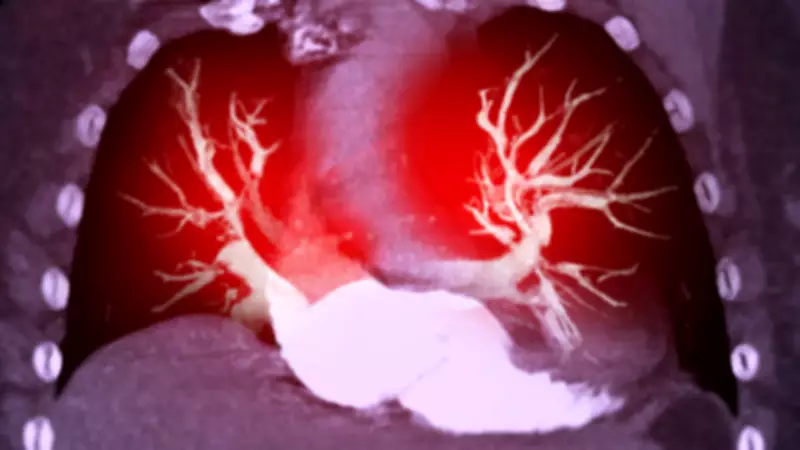
Pulmonary embolism occurs when a blood clot, typically originating in the leg veins, travels to the lungs and blocks pulmonary arteries. This blockage reduces blood flow and oxygen levels while increasing pressure on the heart. The condition can develop rapidly and prove fatal if not treated promptly.
"When a clot of blood in your leg vein travels to the lungs and causes blockage of a pipe going to the lung, this is called a pulmonary embolism," explains Dr. Ranjan Modi, Senior Consultant-Interventional Cardiology at Medanta Hospital Noida. "PE causes blood flow to be reduced and therefore, there is less oxygen in the blood. The pressure on the heart will increase. PE can develop very quickly and can be fatal."

Statistics reveal the severity of this condition. Approximately one in five high-risk patients die from pulmonary embolism. In India, it ranks as the second leading cause of mortality, trailing only myocardial infarction (heart attack). An autopsy study conducted at a tertiary care center in northern India identified pulmonary embolism as the primary cause of death in 16% of hospitalized patients.
The New Clinical Categorization System
The AHA/ACC guideline introduces an innovative Acute Pulmonary Embolism Clinical Category system that classifies patients into five distinct groups:
- Categories A and B: Patients with no or mild symptoms and low risk of severe complications. These individuals can often be safely discharged from emergency departments.
- Categories C through E: Patients experiencing symptoms of acute pulmonary embolism with higher risk of adverse outcomes. These cases require hospitalization and more intensive treatment.
This classification system aims to assist healthcare providers in developing appropriate treatment strategies based on individual patient risk profiles.
Recognizing Symptoms and Risk Factors
Diagnosing pulmonary embolism presents significant challenges because symptoms often mimic other conditions. "Pulmonary embolism symptoms may be very hard to detect and can easily be confused with conditions such as acid reflux, panic attacks and/or infections of the lungs," notes Dr. Modi.
Common symptoms include:
- Sudden onset of difficulty breathing
- Mild to moderate chest pain that worsens when taking a breath
- Increased heart rate
- Coughing that may contain blood
- Swelling or discomfort in the legs
"Many individuals fail to seek medical help for mild symptoms, therefore PE underdiagnosis is common," Dr. Modi emphasizes. "It is very important to highly suspect PE and get medical attention as soon as possible."
The guideline details numerous risk factors that clinicians should assess, including:
- Recent major surgery or trauma
- Hospitalization
- Prolonged immobility (bed rest or long travel)
- Pregnancy and postpartum period (within six weeks after delivery)
- Use of oral contraceptives or estrogen treatment
- Obesity (BMI ≥ 30)
- Smoking
- Atherosclerotic cardiovascular disease
- Cancer
- Thrombophilias (blood clotting disorders)
- Age (risk increases after 40)
Critical Follow-Up Care and Monitoring
The AHA emphasizes the importance of structured follow-up care for pulmonary embolism patients. The recommended protocol includes:
Initial Safety Check: Within one week of hospital discharge, patients should undergo a quick assessment to ensure medications are well-tolerated, no unexpected bleeding has occurred, and treatment plans are clearly understood.

Three-Month Strategic Review: At this milestone, patients and doctors should have a comprehensive discussion about continuing blood thinners and determining if additional testing is necessary to monitor healing progress.
Long-Term Monitoring: For at least one year following diagnosis, every check-up should include screening for chronic thromboembolic pulmonary disease (CTEPD). This condition develops when old clots don't fully dissolve, causing persistent symptoms like shortness of breath or fatigue.
For patients requiring long-term anticoagulant therapy, medical teams must periodically evaluate whether the benefits of continued treatment outweigh potential risks.
"Following discharge from the hospital, patients need to continue to take their medications as prescribed and must not skip any doses," advises Dr. Binay Kumar Pandey, Director & HOD of Interventional Cardiology and Electrophysiology at Yatharth Super Speciality Hospital Faridabad. "Patients need to actively monitor for any 'red flag' symptoms including but not limited to: shortness of breath, chest pain, or swelling of the legs; these symptoms can indicate a recurrence of the disease."
Dr. Pandey further recommends that patients maintain activity levels while avoiding prolonged inactivity, stay properly hydrated, and attend all scheduled follow-up appointments. Any unusual or excessive bleeding resulting from blood thinner medication should be reported immediately to healthcare providers.
This landmark guideline represents a significant advancement in pulmonary embolism management, providing healthcare professionals with standardized approaches to diagnosis, treatment, and long-term care for this potentially fatal condition.