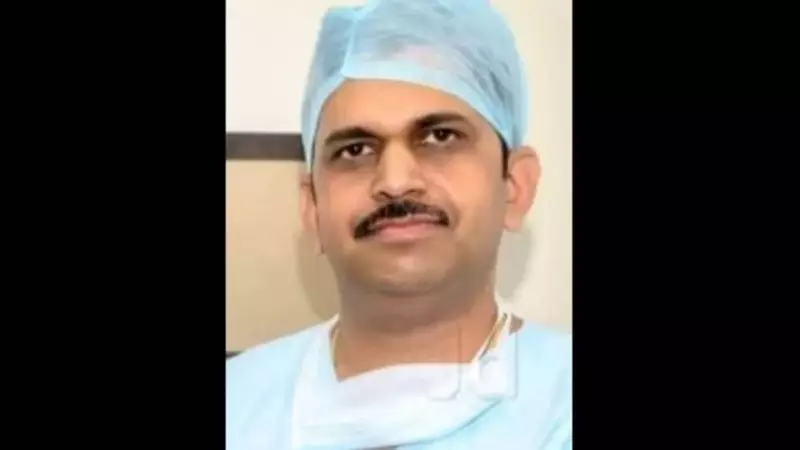
The sudden death of a renowned and seemingly healthy neurosurgeon has sent shockwaves through the medical community and raised urgent questions about the hidden triggers of heart attacks. Dr Chandrashekhar Pakhmode, a 53-year-old neurosurgeon from Nagpur, died of a severe heart attack in the early hours of December 31. His passing is particularly alarming because he was known to be fitness-conscious and had a clean electrocardiogram (ECG) report just three days prior.
The Silent Killer: Stress, Burnout, and Missed Signals
Dr Pakhmode collapsed around 6 am and, despite being rushed to the hospital and receiving intensive revival efforts, could not be saved. This tragic incident forces a re-evaluation of heart attack risk factors that go beyond conventional checklists like cholesterol, blood sugar, diet, and fitness.
Dr Ranjan Shetty, lead cardiologist and medical director at Sparsh Hospital in Bengaluru, explains that among doctors and professionals, factors like chronic stress, long working hours, sleep deprivation, and burnout are often the primary risk triggers. "All other factors being normal, this one factor is the greatest risk trigger among doctors and is the primary reason why most of them have either heart attacks or sudden cardiac arrest," Dr Shetty states.
He emphasises the danger of blockages in critical arteries, particularly the Left Main artery or the Left Anterior Descending (LAD) artery. A complete blockage here can cut off about 50% of the oxygenated blood supply to the heart muscle, causing massive damage and often leading to fatal arrhythmias or sudden cardiac arrest.
How Stress Physically Damages a Healthy Heart
But how can stress alone trigger a heart attack in a fit individual? Dr Shetty outlines the physiological chain reaction:
Chronic inflammation: Prolonged stress and burnout lead to chronic inflammation, which weakens the walls of the heart's blood vessels. This damage allows "bad" LDL cholesterol to infiltrate and form plaques more rapidly.
Hormonal assault: Stress floods the body with hormones like adrenaline and cortisol. Adrenaline increases heart rate and blood pressure, while cortisol elevates blood sugar, cholesterol, and triglycerides. When this state is continuous, it causes sustained damage to the heart.
Plaque rupture: Even a short-term adrenaline surge can dislodge and rupture existing plaque in the arteries. This can form a blood clot large enough to block blood flow, triggering a heart attack.
A study published in The Lancet corroborates this, finding that people reporting high stress and a history of depression were 2.5 times more likely to have a heart attack than those with low stress.
The Dangerous Early Morning Hours and ECG's Limitations
Dr Pakhmode's heart attack occurred at 6 am, a time window cardiologists recognise as high-risk. In the early hours, the body naturally releases a surge of cortisol and adrenaline to prepare for the day. This increases the heart's demand for oxygen. Combined with factors like morning dehydration and higher platelet stickiness, the risk of clot formation peaks.
Dr Shetty advises giving yourself a buffer of at least half an hour after waking before engaging with daily stresses or digital devices.
This case also highlights a critical limitation of routine health checks. A normal ECG does not guarantee clear arteries. An ECG can appear normal in the early stages of a heart attack or in conditions like unstable angina, where blood flow is severely restricted but no permanent damage has occurred yet. It may also show minimal changes in people with diabetes. This is why cardiologists rely on additional tests like troponin protein blood tests to detect heart muscle damage.
The untimely death of Dr Chandrashekhar Pakhmode serves as a stark reminder that cardiovascular health is multifaceted. While monitoring traditional physical markers is essential, it is equally crucial to address the invisible, insidious impacts of chronic stress, poor sleep, and professional burnout—factors that a standard ECG can never reveal.