Harish Rina Transferred to AIIMS for Passive Euthanasia Following Supreme Court Decision
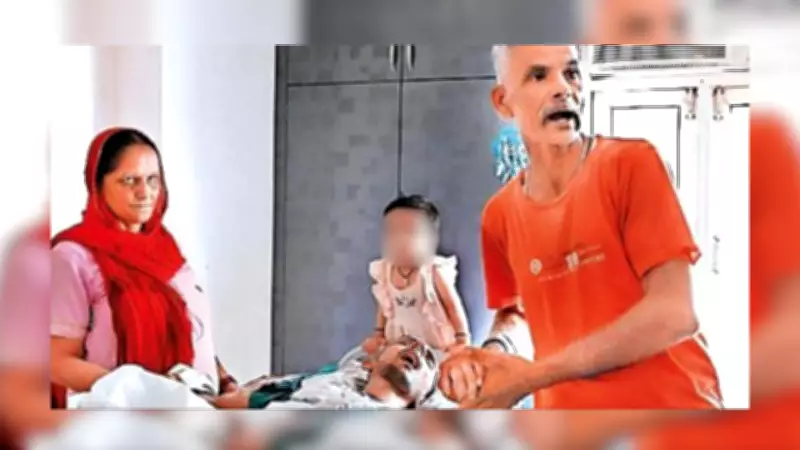
In a significant development, thirty-two-year-old Harish Rana was relocated to the All India Institute of Medical Sciences (AIIMS) on Saturday. He has been placed under the care of a specialized medical team for the implementation of passive euthanasia, as per a recent Supreme Court ruling.
Supreme Court Upholds Right to Die with Dignity
On March 11, the Supreme Court of India affirmed Rana's right to die with dignity, permitting the removal of clinically assisted nutrition and hydration. This landmark decision came after years of legal and medical deliberations regarding his condition.
Rana has been in a persistent vegetative state since 2013, following a tragic fall from the fourth floor of his paying guest accommodation. The incident resulted in severe head injuries and left him with a 100% quadriplegic disability. At the time, he was a student at Panjab University, and his case has since drawn national attention to issues of medical ethics and patient rights.

Medical Protocol and Palliative Care at AIIMS
Hospital sources confirm that Rana is currently being kept at the palliative care unit within AIIMS' Institute Rotary Cancer Hospital. He is under the supervision of palliative care specialists and other doctors who are adhering to established medical and legal protocols for passive euthanasia.
The process typically involves withholding or withdrawing life-sustaining treatments for patients with irreversible medical conditions. Emphasis is placed on ensuring adequate pain relief and supportive care to maintain comfort and dignity.
When contacted, Dr. Seema Mishra, professor and head of the department of onco-anaesthesia and palliative medicine at AIIMS, declined to comment. Sources indicate that strict instructions have been issued to doctors not to engage with the media, highlighting the sensitive nature of the case.
Shift to Palliative Care and Family Involvement
Medical experts explain that when recovery is deemed impossible, treatment transitions to palliative care. This approach focuses on alleviating symptoms and ensuring patient comfort rather than artificially prolonging life.
Care plans are customized for each individual, addressing physical, psychological, and social needs. Doctors conduct regular assessments of the patient's condition, and decisions are made in close consultation with the family. The duration of this palliative phase can vary widely, from days to weeks, depending on the patient's specific circumstances.
Expert Insights on the Euthanasia Process
Dr. Sushma Bhatnagar, former AIIMS chief and professor of onco-anaesthesia and palliative medicine, provided insights into the procedure. She stated that once doctors determine a condition is irreversible and recovery is not feasible, the focus shifts entirely to comfort care.
"In such situations, life-support measures such as oxygen, artificial nutrition, or other medical interventions may be gradually withdrawn," Dr. Bhatnagar explained. "The process is conducted slowly and meticulously to prevent any distress or discomfort for the patient. The primary goal is not to prolong suffering but to ensure the patient remains comfortable. However, the exact timeline varies significantly and cannot be predicted without a thorough assessment of the patient's condition."
This case underscores the complex interplay between medical ethics, legal frameworks, and human compassion in end-of-life care decisions.