

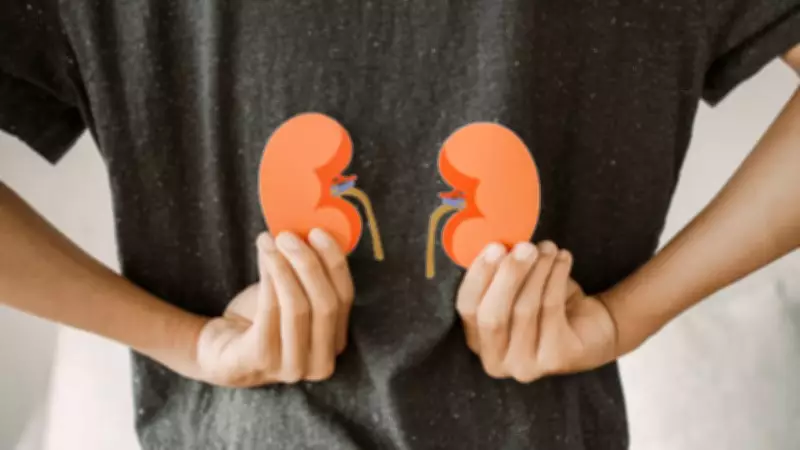
The Complex Journey of Kidney Transplantation
Kidney transplantation represents a critical lifeline for individuals battling end-stage renal disease, offering a profound second chance at life. However, the path to a successful transplant is fraught with numerous challenges that extend far beyond the initial surgery.
The Daunting Search for Compatibility
One of the most significant barriers in kidney transplantation is finding a compatible donor. This process involves much more than simply having a willing donor. Medical professionals must ensure precise matches in blood type, tissue compatibility, and immune system markers between donor and recipient.
For those fortunate enough to have living donors, compatibility issues can still present substantial obstacles. Patients relying on deceased donors often face agonizing waiting periods that can extend for multiple years, during which their health may continue to deteriorate.

Post-Transplant Complications and Rejection Risks
Even after a successful transplant procedure, patients encounter numerous potential complications. The most significant concern remains organ rejection, where the recipient's immune system attacks the transplanted kidney as a foreign object.
Medical statistics reveal that approximately 10-20% of transplant patients experience acute or chronic rejection annually, despite receiving optimal medical care. Additional surgical complications can include ureteral narrowing, which affects over half of surgical complication cases, and primary non-function where the new kidney fails to work properly from the outset.
Managing Immune System Responses
To prevent rejection, transplant recipients must take immunosuppressant medications that deliberately weaken their immune systems. While these drugs help protect the new organ, they leave patients more vulnerable to infections and can contribute to the development of secondary health issues.
Common post-transplant complications include high blood pressure, diabetes, and significant cardiovascular problems. Cardiovascular complications represent the leading cause of death among transplant recipients, with risks including heart attacks, heart failure, and peripheral artery disease.
Surgical Challenges and Long-Term Concerns
The transplantation surgery itself presents multiple potential hurdles. Patients may experience bleeding during or after the procedure, develop blood clots, or encounter fluid collections called lymphoceles during the initial recovery weeks.
Over extended periods, calcium deposits and other structural changes within the transplanted kidney can gradually diminish its function, even when initial results appear promising. Many patients require additional medical procedures to address these ongoing complications.
Medical Breakthroughs Transforming Transplantation
Overcoming Blood Type Incompatibility
Dr. Amit Goel, Director and Unit Head of Urology, Kidney Transplant, Uro-Oncology, and Robotic Surgery at Max Super Speciality Hospital Gurugram, explains a significant advancement: "For many years, blood group incompatibility between donor and recipient created substantial barriers to transplantation. The medical community previously believed that mismatched blood types posed unacceptable rejection risks."
Traditional transplantation protocols restricted procedures to donors and recipients with identical ABO blood groups due to concerns about antibody attacks on the transplanted organ's vascular endothelium.
Innovative Protocols for Antibody Management
Modern transplant medicine has developed revolutionary protocols that enable successful transplantation across blood type barriers. These include plasmapheresis, which removes problematic antibodies from the recipient's blood before transplantation, and immunoadsorption techniques that achieve similar results.
Additionally, medications like rituximab can prevent the body from generating new antibodies that might attack the transplanted organ. Dr. Goel notes that these approaches have dramatically expanded donor options for patients who previously faced limited prospects.

The Phenomenon of Accommodation
Another crucial advancement involves the biological process of accommodation, where transplanted kidneys gradually adapt to the presence of residual antibodies in the recipient's body. This adaptation reduces the likelihood of organ failure due to antibody activity, allowing kidneys from mismatched donors to function nearly as effectively as perfectly matched organs.
Comprehensive Medical Progress
Beyond blood type compatibility, kidney transplantation has benefited from numerous parallel advancements. New immunosuppressant medications offer improved rejection prevention with reduced side effects. Enhanced organ preservation techniques maintain kidney quality during transport, while minimally invasive surgical methods accelerate recovery times.
Advanced monitoring tools enable earlier detection of potential complications, allowing for prompt intervention. Dr. Goel emphasizes that these collective advancements have transformed transplantation outcomes, providing hope to patients who previously faced insufficient donor options and reducing critical waiting periods for life-saving procedures.
The Ongoing Journey
While kidney transplantation continues to present significant challenges, medical innovations are steadily overcoming historical limitations. Patients and medical professionals now navigate a landscape where previously insurmountable barriers are becoming manageable through scientific advancement and improved clinical protocols.





