

Kolkata Scientists Pioneer Mini Brain Creation to Combat Genetic Disorder
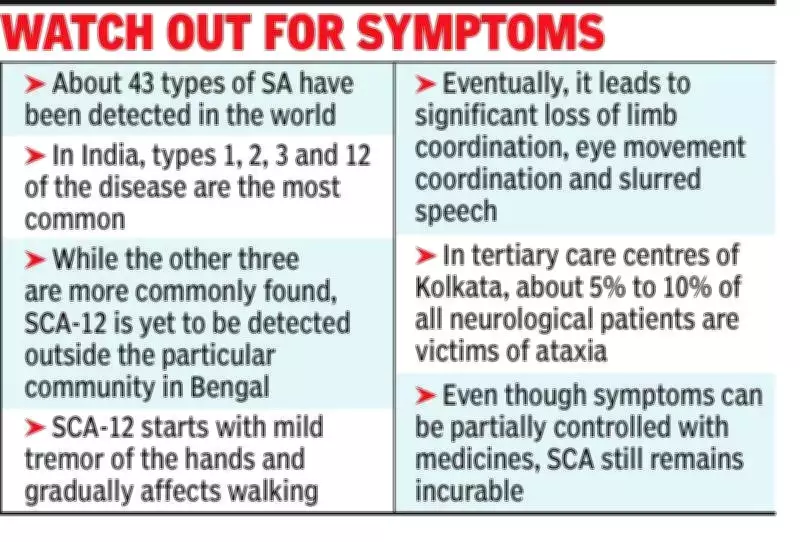
In a groundbreaking medical achievement, a team of neurologists and researchers in Kolkata has successfully created 'mini brains' from real human tissues and blood vessels. This innovative approach, a first in India, is aimed at studying the triggers of Spinocerebellar Ataxia type-12 (SA-12), a debilitating neurological disease that predominantly affects the city's Marwari community.
Understanding Spinocerebellar Ataxia Type-12
Spinocerebellar Ataxia type-12 is a genetic disorder that impairs motor nerves, leading to significant movement difficulties and loss of balance, with symptoms often compared to Alzheimer's disease. The research has confirmed that the Marwari community is genetically predisposed to this ailment, which also impacts cognitive abilities. Initially identified in an Agarwal family, the disease has persisted due to genetic mutations within this small, close-knit community.
The Research Team and Their Inspiration
The study was inspired by Hrishikesh Kumar, head of neurology at the Institute of Neurosciences Kolkata, and led by Sumantra Chattarjee, director of the Centre for High Impact Neuroscience and Translational Applications at TCG CREST. According to Chattarjee, "SA-12 is a uniquely Indian challenge, with many patients in Kolkata. Our research focuses on brain diseases in India, and SA-12 serves as an excellent example."

The team created two 'human brains' in the laboratory, replicating the neural structures of patients to delve deeper into the disease's mechanisms.
Methodology: From Skin Cells to Mini Brains
Traditionally, medical research relies on animal models for pre-clinical trials, but findings from such studies do not always translate effectively to humans. To overcome this limitation, the Kolkata researchers adopted a novel approach. They extracted skin or blood samples from patients and used induced pluripotent stem cells, which can transform into any cell type in the body.
Through advanced molecular biology techniques, these cells were guided to develop into brain cells. Over several months, the cells were cultivated in petri dishes, eventually forming full-fledged mini brains that mirror the neural composition of real patients' brains. Chattarjee explained, "We now have a diseased brain and another from an unaffected sibling, allowing us to compare and identify anomalies using neurobiological techniques."
Implications and Future Directions
The primary goal of this research is to understand how SA-12 affects the nervous system at a cellular level. By analyzing the mini brains, researchers have already pinpointed key anomalies and are working to identify specific targets for therapeutic intervention. This marks a significant step toward developing effective medicines tailored to human biology, potentially revolutionizing treatment for genetic neurological disorders.
Chattarjee emphasized the importance of this achievement, stating, "It's the first of its kind in India, providing a human-relevant model to study brain diseases without invasive procedures." The team continues to explore the nature of these targets, aiming to pave the way for new treatments that could alleviate the suffering of those affected by SA-12 and similar conditions.






