

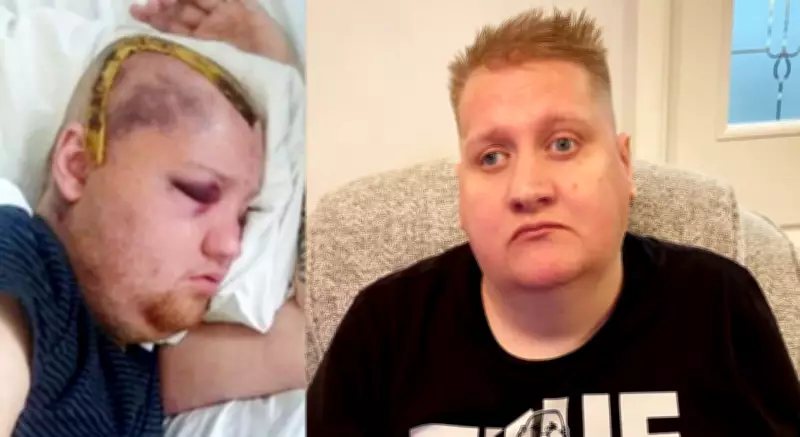
Warwickshire Man Sues NHS Trust After Medical Failings Leave Him With Permanent Brain Damage
A 41-year-old man from Warwickshire is taking legal action against an NHS trust following a series of medical errors that resulted in permanent brain and sight damage, leaving him dependent on his parents for daily care. David Bown, a former IT systems manager and football coach from Atherstone, was prescribed chemotherapy for more than eight years despite clinical guidance recommending treatment for no more than six months in cases like his.
Sequence of Medical Errors Following Brain Surgery
Bown was treated at University Hospitals Coventry and Warwickshire NHS Trust after developing seizures approximately a decade ago. Scans revealed a low-grade brain tumor, which was surgically removed in 2016. According to his legal team, the problems began immediately after the operation.
Clinical standards require an MRI scan within 48 hours of brain surgery to identify potentially fatal complications. That critical scan did not occur. When imaging was finally conducted four days later, it showed bleeding and swelling on the brain. Despite these alarming findings, Bown was not sent back to the operating theater for emergency surgery. Instead, he remained on the ward while further scans were requested.

During this dangerous delay, he suffered a stroke and later fell into a coma. Only then was he rushed back into surgery, where surgeons removed a blood clot, inserted a drain, and performed additional tumor resection. While this procedure relieved pressure on his brain, his legal team argues the intervention came too late to prevent irreversible neurological damage.
Years of Unnecessary Chemotherapy Treatment
Following the surgery, Bown was prescribed the chemotherapy drug temozolomide. Medical guidelines recommend six cycles, typically around six months, or at most 12 cycles for low-grade gliomas. Bown remained on the drug for more than eight years, continuing treatment until 2024.
Independent experts cited by his lawyers state that the prolonged chemotherapy exposed him to unnecessary risks, including a heightened chance of developing secondary blood cancers. Now living at home with his parents, Bown has significant cognitive and visual impairments and requires daily support with medication, meals, and appointments. He also experiences depression, which his legal team says is directly linked to the years of debilitating treatment.
Personal Impact and Emotional Toll
"I went from living a normal, active life, working, coaching kids' football, seeing my mates, to being completely dependent on my mum and dad for everything," Bown said. "I trusted the hospital to do what was best for me but looking back, I just can't understand why I was treated the way I was for so long. It has taken everything from me."
He added, "I cry myself to sleep at night, I dream where I can see and then I wake up and I can't see. It's a nightmare."
His father, Steve Bown, told the BBC, "I would like to see all those people, the surgeons, the other doctors there, ward nurses, I would like to line them up against a wall and say, 'this is what you did to my son.'"
Wider Concerns About Systemic Failures
Further details reveal that Bown's case is not isolated. Law firm Brabners, which represents him, says it is acting for more than 30 patients who were prescribed temozolomide for far longer than recommended. One patient, the firm claims, remained on the drug for 16 years. All of these patients were treated under the supervision of Prof Ian Brown, a senior clinician who has since retired.
Fiona Tinsley, a partner at Brabners, stated, "David was a young man with his whole future ahead of him. The cumulative effect of these failings has robbed him of his independence, his health and years of his life."
She explained that evidence uncovered by the firm points to systemic failings across multiple departments at the trust, including neuro-oncology, neurosurgery, neuroradiology, nursing, and pharmacy.

"What began as concerns about chemotherapy in Coventry now points to systemic failings across a number of practice areas," Tinsley said. "The human cost has been devastating. People were told they would have months to live without treatment and endured years of debilitating treatment, believing it was keeping them alive."
She added that patients had suffered physical, psychological, and financial harm, including:
- Loss of fertility
- Early menopause
- Secondary leukaemia requiring stem-cell transplant in one case
All patients had been placed at increased risk of secondary cancers. "These patients deserve answers, accountability and assurance that every lesson is being learned," she emphasized. "This is in the public interest."
Independent Review Underway
The BBC reports that the Royal College of Physicians has been commissioned by the trust to carry out an independent review of 20 patients who received more than 12 cycles of temozolomide between 2017 and 2023.
In a statement, University Hospitals Coventry and Warwickshire NHS Trust said, "We are committed to providing the safest possible care for our patients. As a legal claim is ongoing, we are unable to comment further at this stage."





