

Mumbai Man's Swift Stroke Treatment Saves Life, Doctors Hail 'Master Stroke'
A routine shopping trip turned into a life-threatening emergency for a 53-year-old Mumbai resident. The man suddenly collapsed while out with his wife. His right side went completely limp. His speech became slurred within seconds.
Race Against Time
His wife acted immediately. With help from passersby, she rushed her husband to Sir HN Reliance Foundation Hospital. They reached the emergency department in just 20 minutes. This rapid response proved crucial for his survival.
"I had some trouble in my shoulder and was undergoing physiotherapy," said Manish Upadhyay, the patient from Mumbai's western suburbs. "After a session, I returned home and later went to Grant Road with my wife by car. Suddenly, one side of my body went numb and I collapsed."

Golden Hour Response
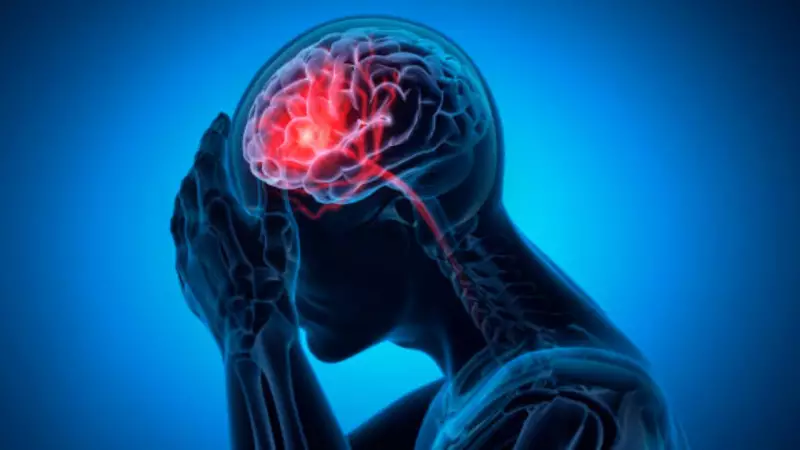
Doctors at the hospital identified the problem immediately. The patient suffered an ischemic stroke. A blockage had formed in the left carotid artery, cutting off blood supply to his brain.
"It is very rare for a stroke patient to be brought to the hospital within the golden window," explained Dr. Vipul Gupta, Director of Neuro-Interventional Surgery. "To have blood flow restored immediately by placing a stent in the brain's main artery is exceptional."
The medical team moved with remarkable speed. They performed an MRI with angiography to confirm the diagnosis. Doctors administered a clot-busting injection without delay.
Swift Surgical Intervention
The neurointerventional surgery team took over quickly. They transferred the patient to the catheterization laboratory. There, they performed a thrombectomy to remove the blockage.
Doctors discovered a tear in the artery wall. Blood had seeped between layers, forming the dangerous obstruction. They opened the dissected artery using a catheter. Then they placed stents to keep the vessel open.
The entire procedure took just 30 to 32 minutes. Results appeared almost immediately. During the surgery itself, the patient began moving his right leg. His speech started returning to normal by the next morning.
Remarkable Recovery
Dr. Manish Chhabria, Senior Consultant in Neurology, described the initial symptoms. "The patient arrived with sudden weakness of his right upper and lower limb, right facial weakness and total inability to speak," he said. "We quickly assessed him clinically and performed necessary imaging."
The coordinated effort produced outstanding results. Within a single day, the patient's hand and leg movements showed improvement. His speech recovered significantly. Complete neurological recovery followed within two days.
A follow-up MRI before discharge revealed encouraging news. Much of the initial brain damage had reversed. This outcome remains uncommon for major strokes.
Critical Timing Matters
Medical professionals emphasize the importance of rapid response. Many stroke patients fail to reach hospitals during the critical treatment window. This often prevents full recovery and causes permanent damage.
In this Mumbai case, timing made all the difference. The patient's wife recognized the emergency immediately. Bystanders provided crucial assistance. Hospital staff coordinated seamlessly across departments.
Doctors called the successful treatment a "master stroke" of medical intervention. The patient avoided serious brain damage. He regained sensation and movement in affected body parts. His life returned to normal remarkably quickly.
This incident highlights how swift action during medical emergencies saves lives. It demonstrates the effectiveness of modern stroke treatments when applied promptly. The Mumbai hospital's coordinated response serves as a model for emergency neurological care.






