

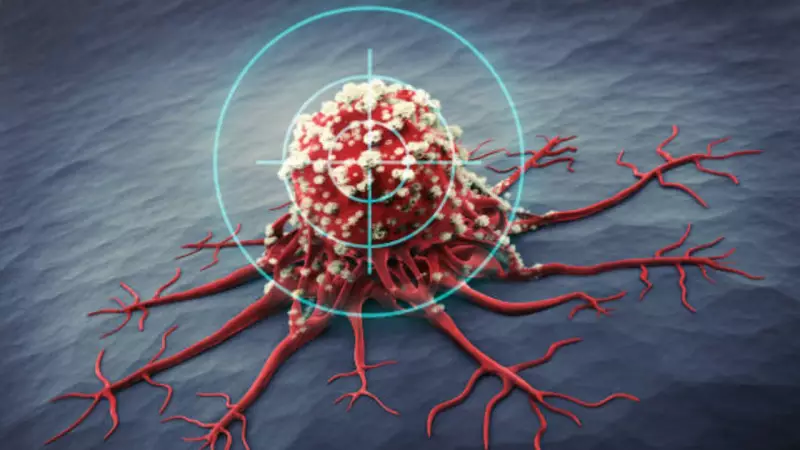
In the relentless battle against cancer, medical science is pioneering smarter, more precise weapons. Cancer cells, the body's ultimate rebels, defy the normal rules of growth and death, multiplying uncontrollably to form tumors and spread stealthily. Their ability to evade the immune system makes them particularly formidable. While traditional treatments like surgery, chemotherapy, and radiation remain crucial, they often come with significant side effects due to collateral damage to healthy cells. The frontier of oncology is now shifting towards targeted therapies that recruit the body's own defenses.
A Groundbreaking Approach from KAIST
In a significant leap forward, researchers from the Korea Advanced Institute of Science and Technology (KAIST) have unveiled an innovative strategy that transforms immune cells already inside a tumor into potent anticancer soldiers. A team led by Professor Ji-Ho Park from the Department of Bio and Brain Engineering has developed a novel therapy. The method involves injecting a drug directly into a tumor. Macrophages—immune cells naturally present in the body that act as scavengers—absorb this drug and are subsequently reprogrammed.
This reprogramming instructs the macrophages to produce special proteins called Chimeric Antigen Receptors (CAR) on their surface. Essentially, these proteins act as sophisticated cancer-recognizing devices. Once equipped with CAR, the macrophages are converted into specialized anticancer immune cells known as "CAR-macrophages." According to KAIST, this approach holds particular promise for treating dense, solid tumors found in gastric, lung, and liver cancers, where other immune cells often struggle to penetrate.

Why CAR-Macrophages Are a Game-Changer
Macrophages are the body's natural patrol units, constantly on the lookout for threats like bacteria, cellular debris, and damaged cells, which they engulf and destroy. Their inherent ability to infiltrate dense tumor environments gives them a unique tactical advantage over other immune cells that are blocked by the tumor's protective barrier.
What makes CAR-macrophages especially powerful is their dual mode of attack. They don't just directly target and consume cancer cells; they also act as signalers, alerting and activating the rest of the immune system. This turns the immunologically "cold" and quiet tumor microenvironment into a "hot" and active battleground, rallying a comprehensive immune response against the cancer.
While this therapy is still undergoing clinical trials, the early results are highly encouraging. Researchers are optimistic that CAR-macrophages could overcome key limitations of existing treatments, offering a new line of defense against some of the most challenging solid cancers.
The Critical Need for Smarter Cancer Therapies
The urgency for such advancements cannot be overstated. Cancer remains a leading cause of death globally. The World Health Organization reported nearly 10 million cancer-related deaths in 2020 alone, accounting for roughly one in six deaths worldwide. As populations age and lifestyles evolve, these numbers continue to rise, making the search for effective treatments more critical than ever.
Modern oncology is increasingly focused on targeted therapies that exploit specific weaknesses in cancer cells, such as genetic mutations or unique surface proteins. These approaches aim to maximize damage to the tumor while minimizing harm to healthy tissue, leading to fewer severe side effects, better outcomes, and improved quality of life during treatment.
The development of CAR-macrophage therapy by KAIST scientists represents this very paradigm. It is not merely about survival; it's about empowering patients to live better while fighting a relentless disease. By ingeniously reteaching the body's innate immune system to recognize and combat cancer from within the tumor fortress, this research offers a beacon of hope for millions, promising a future where treatment is as precise as it is powerful.






