Ramzan Iftar Walks Illuminate Delhi's Vibrant Culinary and Cultural Tapestry
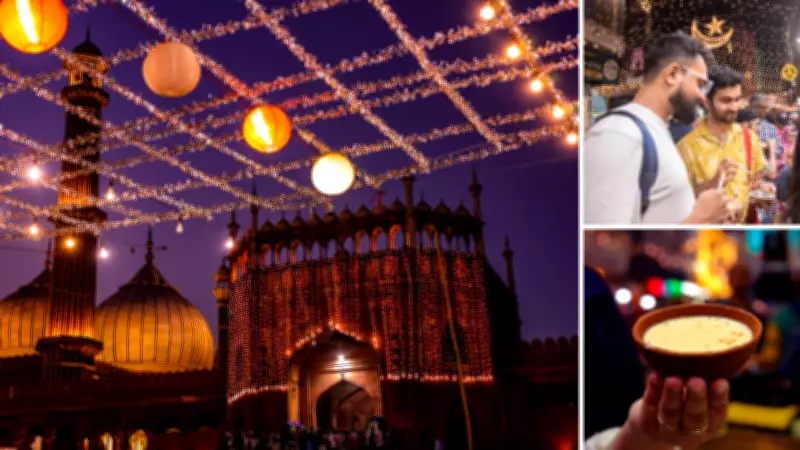
As the sun sets during the holy month of Ramadan, the streets of Purani Dilli transform into a sensory feast. Canopies of fairy lights twinkle above, stalls overflow with stacks of pheni, grills sizzle with kebabs, and deghs simmer with aromatic qorma, all punctuated by the occasional whiff of attar in the air. This quintessential Ramzan evening scene has become the backdrop for a growing trend: curated iftar walks that are captivating food lovers and cultural enthusiasts across Delhi.
Exploring Beyond Old Delhi: Zakir Nagar, Daryaganj, and Shaheen Bagh
While the lanes around Jama Masjid remain iconic, walk leaders are increasingly venturing into neighborhoods like Zakir Nagar, Daryaganj, and Shaheen Bagh, where Ramzan evenings unfold with equal vibrancy. Saleha, a community walk leader with The Delhinama, emphasizes the dual purpose of these excursions. "By hosting a Ramzan walk, I get to showcase a community and a neighbourhood like Zakir Nagar–Batla House to people who are unfamiliar with the area, make them feel welcome, and give them the confidence to explore it on their own," she shares. "At the same time, I get a chance to speak about Ramzan and why it is a blessed month. Food is the most tangible way to showcase culture – from the dishes we indulge in to those we eat while breaking the fast, or preparing for it. It allows everyone to participate, even if they aren’t fasting."
A Culinary Journey Through Diverse Flavors
The culinary offerings on these walks are remarkably diverse, reflecting Delhi's rich gastronomic landscape. In Zakir Nagar near Jamia Millia Islamia, participants can savor everything from Delhi-style chicken tikka, seekh kebabs, and nihari to galawati kebabs, Hyderabadi biryani, haleem chawal, Kashmiri wazwan, and Gulf specialties like shawarma, mandi, and kunafa. This variety not only delights the palate but also tells stories of migration, tradition, and innovation.

For many attendees, the experience evokes deep nostalgia and connection. Bryan Frutardo, a Melbourne-based participant, describes his first iftar walk in Zakir Nagar as special. "Experiencing iftar felt deeply nostalgic, especially as I grew up close to the Mohammed Ali Road in Mumbai," he recalls. "The aromas, crowds, energy, and the sense of togetherness were mesmerising. It reminded me how deeply food, faith, and community are woven into these evenings."
More Than Food: Traditions, History, and Community Spirit
These walks transcend mere food trails, offering profound insights into the traditions, history, and spiritual essence of Ramzan. Anoushka Jain, founder of Enroute Indian History, is curating a walk titled Jama Masjid Se Meena Bazaar Tak, which aims to explain why Ramzan is observed and explore its celebrations across Delhi beyond Muslim neighborhoods. Led by Ilma Saifi, it will include perspectives on women and fasting, adding layers of social and cultural understanding.
Heritage walk leader Mujib Khan details the typical iftar and dinner spread: "For iftar we usually have Medjool dates, fruits, chana chaat, pakodas and nimbu paani, and at dinner we try small portions of seekh kebab, mutton qorma, haleem, mutton stew, mutton barra and khameeri roti with lots of kalonji. After dinner we walk around for sweets like double ka meetha with rabri, phirni, rabri and mohabbat ka sharbat." He notes that participants often enjoy the festive vibe, with many experiencing their first mosque visit or iftar, learning that fasting embodies restraint and community, not just culinary indulgence.
Personalized Recommendations and Local Insights
Local explorers like Rohan Kumar, known as Being Dilliwaala, offer personalized recommendations for iftar walks. "For iftar walks, my go-to place is Jama Masjid. The whole compound is full of people waiting to break the roza. As soon as the cracker is fired to signal iftar, people soak in silence and break their fasts," he explains. His trail includes iconic spots such as:

- Babu Bhai Kebab
- Qureshi Kebab
- Anmol Chicken
- Haji Mohd fried chicken joint
- Shireen Bhawan
These walks foster a sense of inclusivity and education, bridging cultural gaps and celebrating Delhi's pluralistic heritage. They highlight how Ramzan evenings are not just about feasting but about shared experiences, storytelling, and the enduring bonds of community. As Delhi continues to embrace these curated iftar walks, they serve as a vibrant testament to the city's ability to blend tradition with contemporary exploration, making the holy month an accessible and enriching experience for all.