

Formula 1 Cancels Middle Eastern Races Amid Escalating Regional Conflict
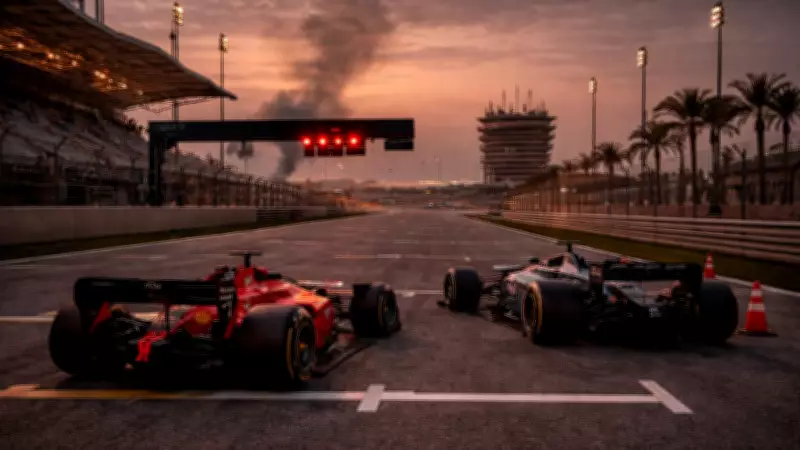
In a significant disruption to the global motorsport calendar, Formula 1 has officially announced the cancellation of next month's Bahrain and Saudi Arabian Grands Prix. This decision comes as a direct response to the escalating conflict in the Middle East, which has raised substantial security concerns and created insurmountable logistical challenges for race organizers.
Security Concerns Force Race Cancellations
The races, originally scheduled for April 12 in Sakhir, Bahrain and April 19 in Jeddah, Saudi Arabia, will not proceed due to the volatile security situation in the region. This follows weeks of uncertainty after hostilities began on February 28, when military strikes by the United States and Israel on Iran triggered broader regional conflict that has disrupted travel and increased security risks across the Middle East.
According to reports from Xinhua, several countries in the region have closed their airspace following these strikes, creating additional complications for international sporting events like Formula 1. The sport's governing body, the FIA, along with Formula 1 management, had been closely monitoring the situation but faced increasing pressure to make a definitive decision as critical freight deadlines approached.

Teams would have needed to begin shipping their equipment to the Middle East within days for the events to proceed as planned, making the security situation untenable for such a large-scale international operation.
Calendar Reduced and Extended Break Created
The cancellation of these two races reduces the 2026 Formula 1 calendar from an originally planned 24 races to just 22 events. More significantly, it creates an unprecedented 35-day gap between the Japanese Grand Prix on March 29 and the Miami Grand Prix on May 3, leaving the entire month of April without any championship racing.
Formula 1 management explored several potential replacement venues to fill this gap, including Portimao in Portugal, Imola in Italy, and Istanbul Park in Turkiye - all circuits that hosted races during the disrupted 2020 season. However, the limited time available to organize such events and difficulties in securing the substantial hosting fees made these replacement options impractical.
With the season initially planned for 24 races, there was also little financial incentive to add new rounds at such short notice, according to sources familiar with the decision-making process.
Substantial Financial Impact Expected
The loss of these two Middle Eastern races carries significant financial consequences for Formula 1 and its participating teams. Bahrain and Saudi Arabia pay among the highest hosting fees on the entire Formula 1 calendar, and the cancellations are projected to cost the sport and its teams more than 130 million U.S. dollars in combined revenue.
Teams receive a substantial share of Formula 1's commercial income through the prize money distribution system, meaning this financial impact will be spread across the entire grid. The revenue loss comes at a time when teams are already managing tight budgets and development schedules for the 2026 season.
Geopolitical Impact on International Sport
This cancellation demonstrates how global events and geopolitical tensions can directly affect international sporting competitions like Formula 1. The sport operates on a meticulously planned global schedule that spans multiple continents and time zones, and such disruptions create significant difficulties for teams, race organizers, broadcast partners, and fans worldwide.
Airspace closures and uncertainty over travel routes have particularly affected preparations for these races, highlighting the complex logistics involved in staging Formula 1 events across different regions with varying political and security situations.
For the 2026 championship, the extended break between the Japanese and Miami Grands Prix presents both challenges and opportunities. While the gap may allow teams additional preparation time for the remainder of the season, it also interrupts the competitive flow of the championship and reduces fan engagement during what would normally be a busy period of racing.

The remainder of the 2026 Formula 1 season is expected to proceed as originally planned, illustrating how the sport must continually adapt when external developments disrupt its carefully constructed global schedule. This situation serves as a reminder of the complex interplay between international sports and global geopolitics in today's interconnected world.
