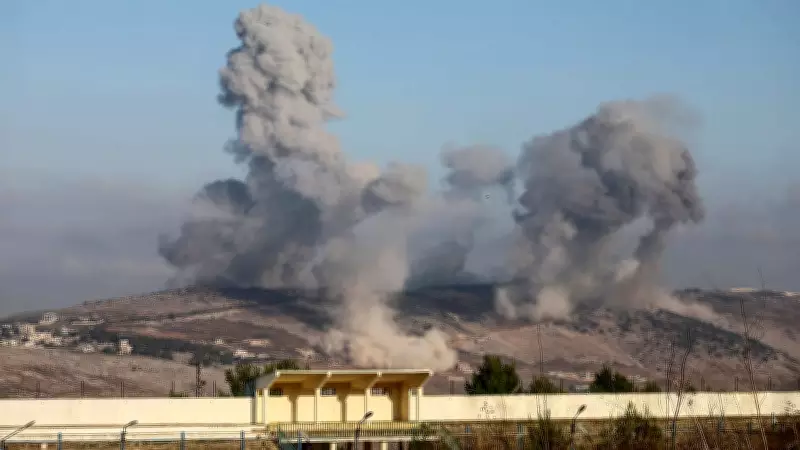
Israel and Lebanon have reached a new agreement to implement a ceasefire, following a previous deal last month that failed to halt hostilities. The announcement was made on Thursday, June 4, 2026, after renewed efforts by international mediators to de-escalate the situation.
Background of the Conflict
The two sides had initially agreed to a ceasefire in late April 2026, but sporadic clashes continued, particularly along the border. Both Israel and Hezbollah accused each other of violating the truce, leading to a breakdown in the agreement.
Key Terms of the New Agreement
The latest ceasefire deal includes several key provisions:

- Immediate cessation of all military operations by both parties.
- Withdrawal of forces from contested areas under UN supervision.
- Establishment of a joint monitoring mechanism to ensure compliance.
International Response
The United Nations and the United States have welcomed the agreement. UN Secretary-General Antonio Guterres urged both sides to honour their commitments and work towards a lasting peace.
Challenges Ahead
Analysts warn that previous ceasefire attempts have failed due to deep mistrust and the involvement of proxy forces. The success of this agreement will depend on strict enforcement and continued diplomatic engagement.
Residents on both sides of the border expressed cautious optimism. A Lebanese shopkeeper told Reuters, "We hope this time it will hold. We are tired of the violence."