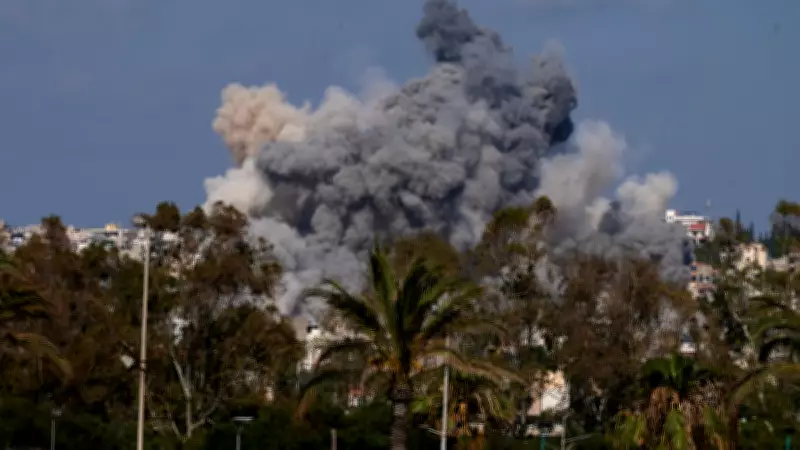
Israel and Lebanon have agreed to renew their ceasefire following high-level talks mediated by the United States. The agreement, reached on June 4, 2026, aims to de-escalate tensions along the volatile border region and stabilize the area after months of sporadic clashes.
Details of the Ceasefire Renewal
The renewed ceasefire builds on previous understandings and includes commitments from both sides to refrain from military action. US diplomats played a key role in facilitating the discussions, which also addressed security concerns and the deployment of UN peacekeepers. The deal is seen as a crucial step to prevent further escalation that could draw in regional powers.
Impact on Iran Talks
The ceasefire renewal is expected to have significant implications for ongoing nuclear negotiations with Iran. Analysts suggest that reduced tensions on the Israel-Lebanon border could create a more favorable environment for diplomatic engagement. Iran, a key supporter of Hezbollah in Lebanon, may view the de-escalation as a positive signal, potentially easing its stance in talks over its nuclear program.

However, some experts caution that the ceasefire alone may not resolve underlying issues. The agreement does not address Hezbollah's military capabilities or Iran's regional activities. Further negotiations are needed to ensure long-term stability.
Regional Reactions
The international community has welcomed the ceasefire renewal. The United Nations praised the efforts of the US and called for continued dialogue. Meanwhile, both Israel and Lebanon expressed cautious optimism, emphasizing the need for full implementation of the terms.
The renewed ceasefire marks a temporary halt in hostilities, but the path to lasting peace remains challenging. The coming weeks will be critical in determining whether this agreement can lead to broader diplomatic breakthroughs, particularly concerning Iran.