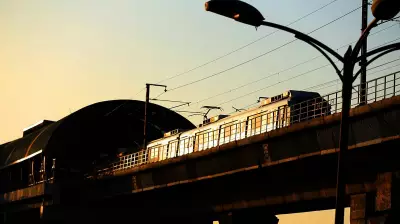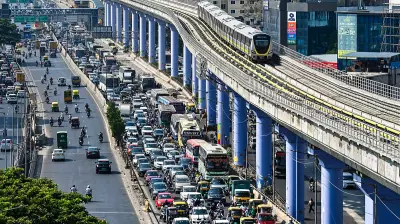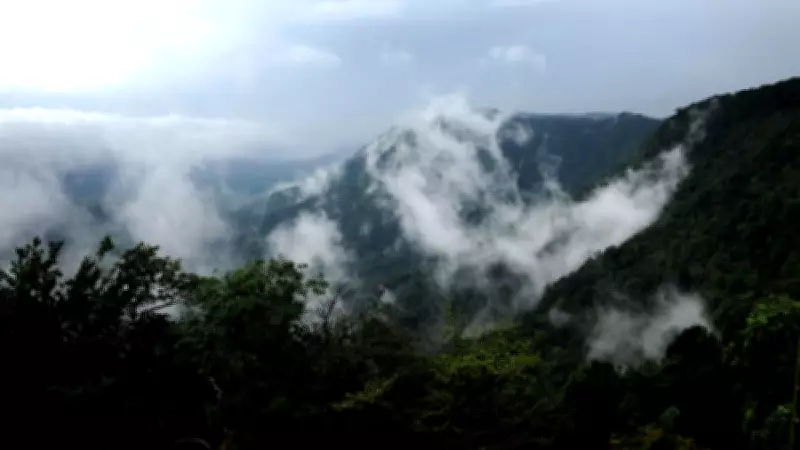
Karnataka's ambitious plan to expand its railway network through the ecologically sensitive Western Ghats has triggered a fresh conflict between development aspirations and environmental conservation. The proposed rail line, aimed at boosting connectivity and economic growth, has drawn sharp criticism from environmentalists and local communities who fear irreversible damage to one of the world's eight hottest biodiversity hotspots.
The Proposed Railway Line
The Karnataka government has revived a long-pending proposal to construct a railway line connecting the coastal district of Uttara Kannada with the hinterland. The project, which has been on the drawing board for decades, seeks to reduce travel time and facilitate the movement of goods and people between the coast and the interior regions. Officials argue that the railway will spur economic development, improve access to remote areas, and reduce the burden on existing roads.
Environmental Concerns
However, the proposed route passes through the Western Ghats, a UNESCO World Heritage site known for its rich biodiversity. Environmentalists warn that the construction of tunnels, bridges, and tracks will fragment habitats, threaten endangered species, and disrupt the delicate ecological balance. The Western Ghats are home to numerous endemic species of flora and fauna, and any large-scale infrastructure project could have cascading effects on the region's ecosystems.

Local communities, including indigenous tribes, have also expressed concerns about displacement and loss of livelihoods. The Western Ghats provide essential ecosystem services such as water regulation, climate moderation, and soil conservation, which are vital for agriculture and daily life in the region.
Previous Controversies
This is not the first time a railway project in the Western Ghats has sparked controversy. In the past, similar proposals have been met with fierce opposition from environmental groups and have been stalled by legal challenges. The current plan has reignited the debate, with both sides presenting strong arguments.
Government's Stand
The Karnataka government maintains that the railway line is essential for the state's development and that modern construction techniques can minimize environmental impact. Officials point to successful examples of infrastructure projects in ecologically sensitive areas around the world, where mitigation measures have been implemented to protect the environment.
However, critics argue that the cumulative impact of multiple projects in the Western Ghats could be catastrophic. They call for a comprehensive environmental impact assessment and a transparent public consultation process before any decision is made.
Way Forward
The debate over the railway line highlights the broader challenge of balancing development with environmental conservation in India. As the country pursues rapid economic growth, conflicts between infrastructure projects and ecological preservation are likely to intensify. Finding a sustainable solution that addresses both development needs and environmental concerns will require careful planning, stakeholder engagement, and a commitment to green technologies.
The Karnataka government has promised to consider all viewpoints and conduct a thorough study before proceeding. Meanwhile, environmentalists and local communities are gearing up for a prolonged battle to protect the Western Ghats.