Bengaluru is once again exploring innovative transportation solutions to tackle its notorious traffic congestion. Pod taxis and ropeways are now under study as potential options for the city's roads, aiming to provide efficient and eco-friendly mobility.
Reviving the Pod Taxi Concept
The concept of pod taxis was initially floated by the erstwhile Bruhat Bengaluru Mahanagara Palike (BBMP) in 2018. The idea was to offer last-mile connectivity while significantly reducing carbon emissions. Pod taxis, also known as personal rapid transit (PRT) systems, involve small automated vehicles that operate on dedicated guideways, offering on-demand service.
Ropeways as an Alternative
In addition to pod taxis, ropeways are being considered as a feasible alternative for navigating Bengaluru's congested streets. Ropeways, or cable cars, could be deployed along key corridors to provide a fast, uninterrupted mode of transport, bypassing road traffic entirely. The study will assess the technical, financial, and environmental viability of both systems.

Addressing Traffic and Emissions
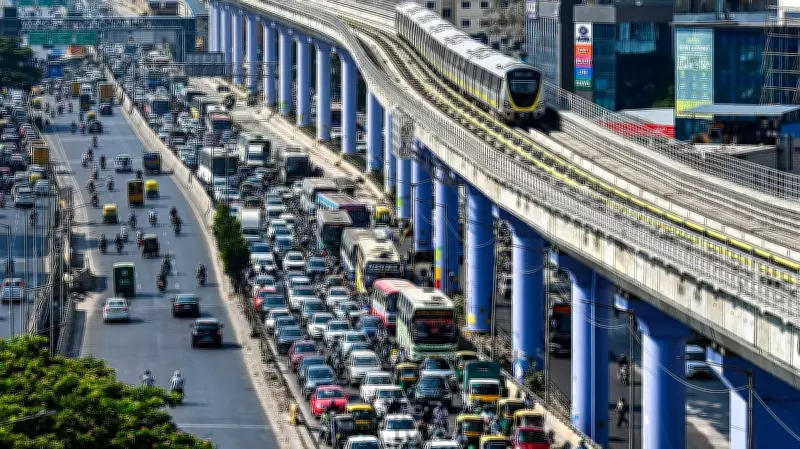
Bengaluru, one of India's fastest-growing cities, faces severe traffic jams and high pollution levels. The introduction of pod taxis and ropeways is seen as a step towards sustainable urban mobility. These systems could integrate with existing public transport networks, such as the metro and buses, to create a seamless travel experience.
Next Steps
The authorities are currently conducting feasibility studies, including route planning, cost estimates, and environmental impact assessments. Public consultations will also be held to gather feedback from residents and stakeholders. If approved, pilot projects could be launched in select areas within the next few years.
This renewed focus on innovative transport solutions reflects Bengaluru's commitment to modernizing its infrastructure and improving the quality of life for its citizens. The outcome of these studies will be crucial in determining the future of urban mobility in the city.