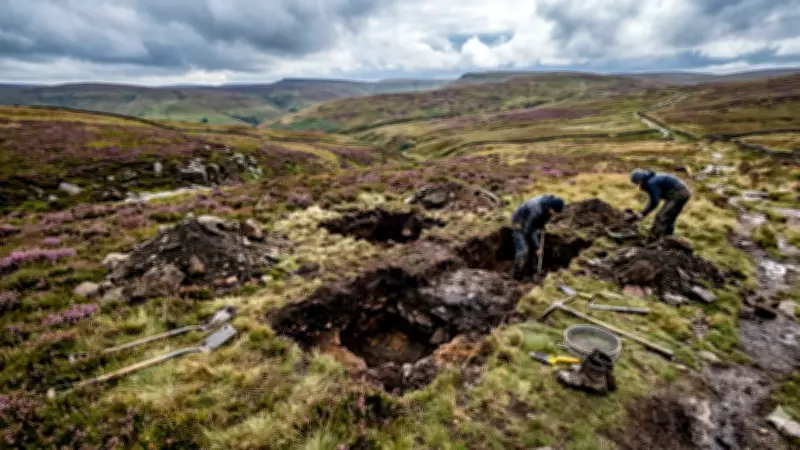
The Pennine hills are emerging as a critical battleground in the fight against climate change. In the peatland bogs of northern England, thousands of strategically crafted depressions known as "scallop bunds" are breathing new life into degraded peatlands. These efforts are not only sequestering carbon but also restoring vital wetland ecosystems. Researchers from The University of Manchester and conservation groups like The National Trust assert that these initiatives can significantly reduce carbon emissions, enhance biodiversity, and lower the risk of wildfires. As Britain faces rising temperatures, prolonged droughts, and erratic rainfall, the carbon-rich peat bogs of the Pennines represent one of the UK's most promising natural defenses against climate change.
Why the Pennine Peatlands Are Vital for Climate
Though peatlands may appear barren and desolate, they are among nature's most powerful carbon sinks. Formed over millennia through the slow decomposition of plant matter, these ecosystems store vast amounts of carbon beneath the surface. Research conducted by scientists at The University of Manchester reveals that global peatlands contain over three billion tons of carbon—ten times more than all the forests in Britain combined. However, when peatlands are damaged, they can become a source of greenhouse gases rather than a sink. Drained or dried peatlands release stored carbon into the atmosphere. Currently, an estimated 15% of the world's peatlands have been drained.
During the Industrial Revolution, the Pennines suffered severe degradation. Coal fires and industrial pollution deposited toxic elements like lead and arsenic across the hills, destroying vegetation and eroding the peat. Gullies carved into the landscape left it resembling a moonscape.

Sphagnum Moss: The Key to Restoration
At the heart of peatland restoration is an extraordinary moss species: sphagnum. Sphagnum moss can hold up to twenty times its weight in water, maintaining moisture in peat bog ecosystems and preventing the decomposition of peat, thereby continuing the carbon storage process. According to the original article from The University of Manchester, "Sphagnum moss is the primary ecosystem engineer in peatland ecosystems."
To encourage sphagnum growth, restoration teams have carved thousands of small crescent-shaped pools, called scallop bunds, into Holcombe Moor in the West Pennines. In 2021, approximately 3,000 bunds were constructed on the moor, with an additional 700 planned for 2024 as part of Natural England's Nature for Climate Peatland Grant Scheme. These bunds slow rain runoff and increase soil surface moisture, creating ideal conditions for sphagnum to thrive.
Climate Change Intensifies the Need for Restoration
The project has already shown remarkable success. Just five years after the first bunds were created, many ponds are now covered with grass and well-established sphagnum moss. During the exceptionally dry summer of 2025, researchers observed that the newly created pools retained moisture longer than untreated peatland areas. As climate change brings more severe heatwaves to Britain and increases the likelihood of wildfires in upland areas, this moisture retention could prove critical.
The collaboration between The National Trust and The University of Manchester will continue to assess the long-term impacts of these measures on water retention and carbon capture. Hydrologist John Holden, who has previously studied blanket peatlands, notes that water movement and erosion are essential for peatland survival; future climate changes could accelerate their degradation if left unchecked.
Nevertheless, the scallop bunds in the Pennines offer hope for a natural, scalable solution to Britain's environmental crisis. By restoring these ancient peatlands, we can harness their immense carbon storage potential while enhancing biodiversity and reducing wildfire risk.