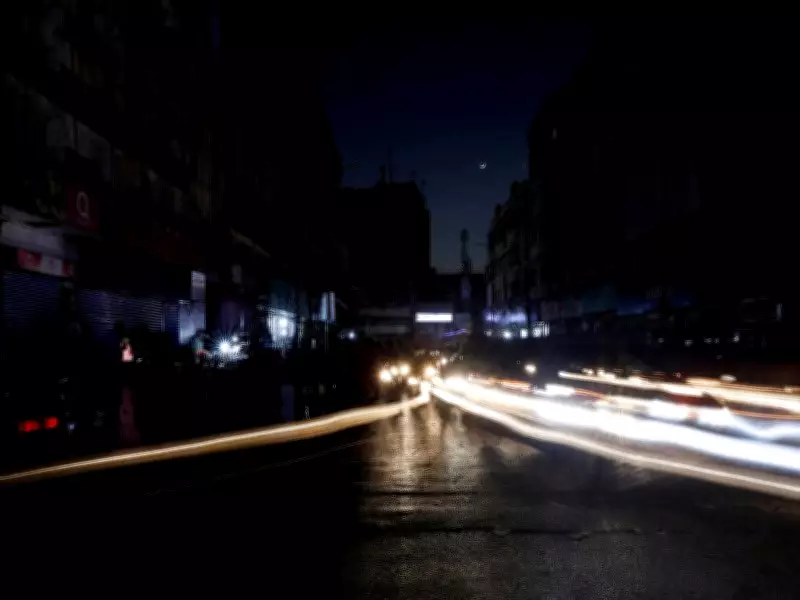
A severe storm has once again exposed the fragility of Pakistan's utility grid, plunging the city of Lahore into total darkness. The nationwide blackout, triggered by the storm, has left millions without electricity, highlighting the persistent vulnerabilities in the country's power infrastructure.
Storm Triggers Widespread Power Failure
The storm, which swept through several regions, caused significant damage to transmission lines and power stations. The resulting grid failure led to a complete blackout in Lahore, the country's second-largest city, and affected numerous other areas. Residents reported sudden power cuts, with emergency services struggling to cope with the situation.
Infrastructure Under Scrutiny
This incident has reignited debates about the state of Pakistan's utility grid. Critics argue that the system is outdated and poorly maintained, making it highly susceptible to disruptions from natural events. The government has faced calls for urgent reforms and investment in modernizing the grid to prevent future collapses.

Impact on Daily Life
The blackout severely disrupted daily life in Lahore and beyond. Hospitals relied on backup generators, businesses were forced to close, and traffic signals went dark, causing chaos on the roads. Many residents expressed frustration over the lack of preparedness and the slow response from authorities.
Government Response
Officials have attributed the failure to the storm's intensity and promised to restore power as quickly as possible. However, they acknowledged that the grid's limitations are a long-standing issue that requires comprehensive solutions. The government is reportedly considering measures to strengthen the infrastructure, including the adoption of smart grid technologies and increased investment in renewable energy sources.
Broader Implications
The blackout serves as a stark reminder of the challenges facing Pakistan's energy sector. Frequent power outages have hampered economic growth and affected the quality of life for millions. Experts emphasize the need for a coordinated approach involving policy reforms, private sector participation, and international cooperation to build a resilient and sustainable power system.
As the country works to restore electricity, the storm has underscored the urgent need to address the vulnerabilities in Pakistan's utility grid. Without significant improvements, such incidents are likely to recur, posing risks to public safety and economic stability.