

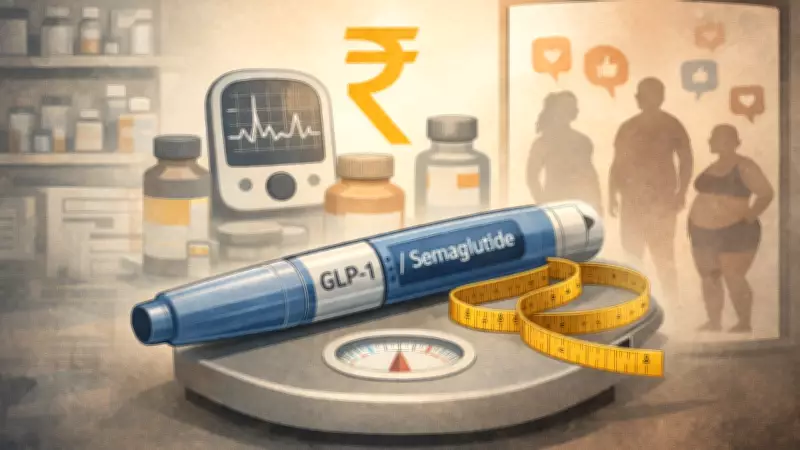
Cost Barrier Crumbles as Ozempic Patent Expires in India
In diabetes clinics across India, evening consultations often pivot to a single, pressing concern: affordability. While medical discussions typically focus on calorie counts and carbohydrate management, for countless patients, the conversation inevitably returns to financial limitations. Medications like Ozempic have long occupied a challenging position—recognized as medical breakthroughs yet remaining financially out of reach for many.
From Premium Therapy to Mainstream Treatment
This financial equation is poised for significant transformation. With the patent on semaglutide—the active ingredient in Ozempic—expiring on March 20, major Indian pharmaceutical companies including Sun Pharma, Zydus Lifesciences, Dr Reddy's Laboratories, and Natco Pharma are preparing to launch more affordable generic versions. What was once an exclusive, premium therapy could soon become widely accessible, potentially reshaping India's rapidly expanding anti-obesity and diabetes treatment landscape.
Raman Nath of Nath Medicines emphasized the immediate impact: "The patent expiry is going to affect the market substantially. By March 21, we anticipate reports of at least five different semaglutide formulations being launched."

Beyond Access: A Behavioral Shift in Treatment Approaches
Affordable medications represent more than just expanded access—they signal a potential paradigm shift in treatment philosophy. For years, obesity and type 2 diabetes management in India has heavily emphasized lifestyle modifications: strict dietary regimens, consistent exercise routines, and pharmaceutical intervention only when absolutely necessary. Semaglutide, celebrated globally for its dual impact on blood sugar regulation and weight reduction, introduced a powerful new therapeutic option. However, its premium pricing ensured it remained a last-resort treatment rather than a first-line option for most patients.
As generic alternatives enter the market, medical professionals may reconsider when to prescribe these medications. Patients who previously delayed treatment due to cost concerns might initiate therapy earlier. Weight management clinics could experience increased demand. The delicate balance between lifestyle modifications and pharmaceutical assistance may shift in unexpected directions.
Understanding Semaglutide's Mechanism
To comprehend why semaglutide has generated such significant medical excitement and public discussion, it's essential to understand its physiological mechanism. After meals, the human digestive system releases hormones called incretins. These chemical messengers instruct the pancreas to produce insulin, facilitating sugar movement from the bloodstream into cells. They also signal the liver to reduce sugar production and communicate satiety to the brain.
Ozempic functions by amplifying this natural system. Its active component mimics glucagon-like peptide-1 (GLP-1), a hormone the body naturally produces post-meals. In individuals with type 2 diabetes, this response is often diminished. Semaglutide strengthens this response by prompting insulin release when blood sugar rises, reducing excess glucose production in the liver, and slowing gastric emptying. The combined effect results in more stable blood sugar levels and improved long-term glucose control as measured by HbA1c readings.
The medication's benefits extend beyond glucose management. GLP-1 also influences the brain's appetite regulation centers, signaling fullness and reducing food cravings. By creating a more stable, longer-lasting version of this hormone, semaglutide extends satiety signals. For individuals managing obesity, this biological shift can significantly reduce the constant mental struggle around food, making weight management less about relentless willpower and more about physiological support.
Market Expansion and Accessibility
With multiple pharmaceutical companies preparing to enter the market, competitive pressure is expected to drive prices downward. Until recently, India's weight-loss medication segment has been dominated by high-priced innovator brands accessible primarily to affluent patients. This exclusivity appears destined to change rapidly.

Industry analysts estimate the current weight-loss drug market at approximately ₹1,400 crore, with projections suggesting it could double within a year if prices decrease and availability expands. The broader anti-diabetic therapy market demonstrated robust growth exceeding 15% in January, according to Pharmarack research data, driven largely by newer, premium treatments. Mounjaro from Eli Lilly recorded ₹112 crore in sales during this period, indicating patient and physician willingness to embrace innovative therapies despite higher costs.
Raman Nath highlighted the socioeconomic dimension of prescription patterns: "Medical professionals prescribe medications like Ozempic based on patients' economic backgrounds. For affluent patients, they might recommend these advanced drugs, while others receive more affordable alternatives."
Cultural Implications and Body Image Considerations
Beyond clinical settings and economic calculations, a more subtle cultural conversation is emerging regarding body image, self-worth, and societal acceptance. Recent discussions surrounding GLP-1 medications like Ozempic have expanded beyond clinical metrics to encompass social perceptions. Some commentators suggest that if weight reduction becomes medically accessible, movements advocating body acceptance might lose momentum. The underlying implication carries significant weight: if body size appears easily modifiable through medication, living in a larger body risks being perceived as a choice rather than a complex interplay of biological, environmental, and circumstantial factors.
The body positivity movement has long advocated for dignity and inclusion regardless of physical size, challenging societal equations between worth and weight. As semaglutide becomes more visible and potentially more affordable, public attitudes may shift. If thinness appears medically attainable, social tolerance for diverse body types could potentially diminish.
These medications regulate appetite and blood sugar—they do not directly address shame, stigma, or internalized criticism. Research consistently demonstrates connections between body size and body image. Consequently, some individuals may hope weight reduction will alleviate psychological distress or improve social treatment. However, access remains unequal, outcomes vary significantly, and no injection can fully resolve the complex emotional relationships people maintain with food and appearance.
Raman Nath observed: "In India, two medication categories dominate sales: skin-lightening products and weight-loss solutions. Ozempic addresses the latter. Many individuals prefer pharmaceutical solutions over lifestyle modifications, which require substantial behavioral changes regarding diet and activity patterns."
Potential for Misuse and Medical Guidance
Originally developed for type 2 diabetes management, GLP-1 medications have rapidly gained recognition as potent weight-loss tools. For numerous patients, results have been dramatic and life-altering, achieving reductions that traditional diets, oral medications, and fitness regimens rarely delivered. Unsurprisingly, they're frequently described as revolutionary treatments.
However, growing popularity brings increased scrutiny. Most GLP-1 drugs are administered as weekly self-injections in the arm, thigh, or abdomen. Treatment typically begins with low doses gradually increased over time. Within weeks, many users experience reduced cravings, smaller portion sizes, and diminished preoccupation with food. For some, measurable weight reduction occurs for the first time in years.
Medical professionals emphasize these are not miraculous solutions or casual lifestyle accessories. Weight often returns within approximately one year after discontinuing medication as the body's biological mechanisms promoting weight regain reactivate. Without regular exercise—particularly strength training—patients may lose muscle mass along with fat, a significant concern in India where diets frequently emphasize carbohydrates over protein.
Dr. Arun Moondhra, Senior Consultant Physician at Sant Parmanand Hospital Civil Lines, cautioned: "While indicated for weight-loss therapy, these medications should only be used under medical supervision. Potential for misuse exists if sales remain unrestricted."
Additional limitations warrant consideration. Not all patients respond to GLP-1 therapy, and many reach plateaus after losing approximately 15% of body weight. Common side effects include nausea, bloating, and diarrhea, while rarer complications may involve gallstones or pancreatitis. Extended, unsupervised use carries inherent risks.
Dr. Moondhra further noted: "Semaglutide utilization will increase substantially once affordable generics become available, necessitating careful monitoring and patient education."
As India stands at this pharmaceutical crossroads, the nation faces not merely a medical transition but a cultural recalibration—balancing improved health accessibility with sustained empathy, dignity, and respect for diverse body types and individual choices.





