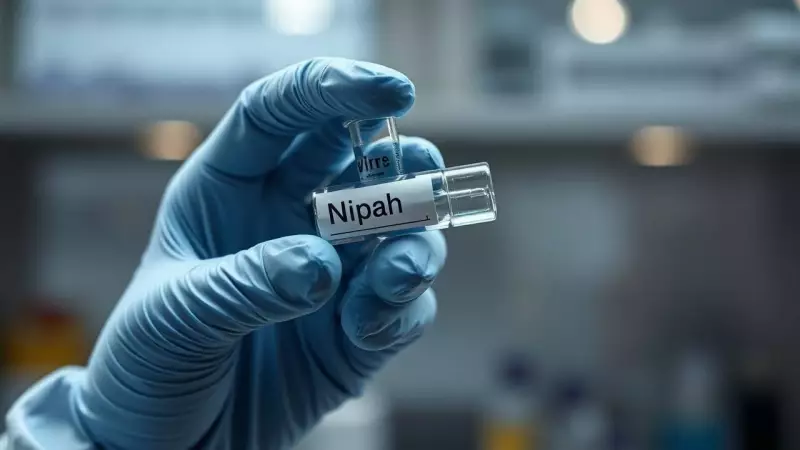
A new vaccine candidate against the deadly Nipah virus has delivered encouraging results in its first human trial, marking a crucial advance in the fight against a disease responsible for fatal outbreaks across India and South Asia. The findings, published in the prestigious medical journal The Lancet, offer a significant ray of hope.
Safety and Immune Response in Focus
The Phase 1 clinical trial evaluated a vaccine originally developed against the Hendra virus, which is closely related to Nipah. Known as the recombinant soluble glycoprotein G vaccine (HeV-sG-V), it was tested on 192 healthy adults aged 18 to 49 at a single centre in the United States. The study followed a rigorous randomised, observer-blind, and placebo-controlled design.
On the safety front, the results were reassuring. The most common side effect reported was mild to moderate pain at the injection site. Importantly, no serious adverse events, hospitalisations, or deaths were recorded during the course of the trial.

Strong Antibody Response with Two Doses
The immunological findings were particularly significant. Researchers observed a clear dose-dependent response. While a single shot did not generate sufficient immunity, two doses produced strong neutralising antibodies effective against both major strains of the Nipah virus.
The most robust immune response was seen in participants who received two 100-microgram doses administered 28 days apart. Their antibody levels increased sharply within just one week after the second dose. The study confirmed that antibodies were induced within a month of vaccination and were more durable with the two-dose regimen—a vital feature for both preventive campaigns and rapid deployment during sudden outbreaks.
A Critical Need for India and the World
The World Health Organization (WHO) has classified Nipah virus as a priority pathogen requiring accelerated research, citing its high epidemic potential, fatality rates, and the lack of approved vaccines or specific treatments.
India has a tragic history with the virus, experiencing repeated outbreaks starting with West Bengal in 2001 and 2007. Kerala has been severely affected in recent years. The state's first major outbreak in 2018 was especially lethal, claiming 17 lives out of 18 confirmed cases. Subsequent flare-ups have kept health authorities in a constant state of alert, with two more deaths reported in Kerala in 2025.
The trial was funded by the Coalition for Epidemic Preparedness Innovations (CEPI). While experts caution that larger Phase 2 and 3 trials are necessary to confirm the vaccine's effectiveness in real-world conditions, they unanimously agree that these initial findings represent a major milestone. This research paves the way for developing the world's first effective vaccine against one of the most lethal emerging viral threats.