

Cervical cancer continues to be a leading cause of cancer-related deaths among women globally, with Indonesia facing a significant burden. Worldwide health statistics report hundreds of thousands of new cases and fatalities annually. The challenging side effects of conventional treatments like chemotherapy and radiation, including severe fatigue, hair loss, and a compromised immune system, have spurred a growing interest in natural and plant-based therapeutic alternatives.
The Medicinal Powerhouse: Soursop Leaves of Indonesia
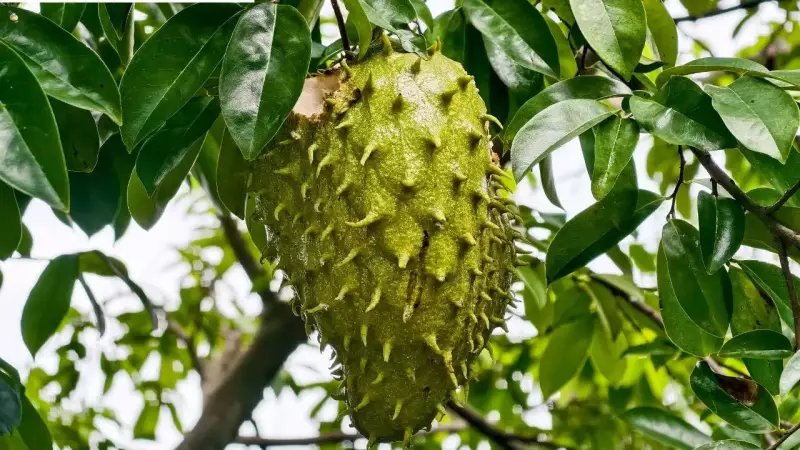
Indonesia is home to a rich biodiversity of medicinal plants, boasting thousands of species. Among these, the soursop plant, scientifically known as Annona muricata, stands out as one of the most extensively researched. The leaves of this plant are laden with potent bioactive compounds such as flavonoids, tannins, alkaloids, saponins, and phytosterols. These compounds act as powerful antioxidants, helping to neutralize cancer-causing free radicals in the body.
Soursop is particularly renowned for producing acetogenins, compounds with proven cytotoxic activity against various cancer cell lines, including those of the lung, breast, colon, and pancreas. While cervical cancer is primarily linked to persistent human papillomavirus (HPV) infection, oxidative stress and free radical damage are also key contributors to its development.

Endophytic Fungi: Nature's Hidden Pharmaceutical Factories
In a significant scientific advancement, research highlighted on PubMed Central points to a promising natural source for cervical cancer therapy: endophytic fungi isolated from soursop leaves. These are unique microorganisms that live symbiotically inside plant tissues without causing any harm to their host.
Through a long process of co-evolution, these fungi have developed the ability to produce the same, or similar, bioactive compounds as the plant itself. This presents a major ecological advantage. Utilizing these fungi reduces the need for large-scale, repetitive harvesting of the medicinal plant, thereby promoting conservation and ecological balance. It represents a more sustainable and greener pathway for future drug development.
Breakthrough Findings: Targeting Cancer Cells Selectively
In the groundbreaking study, scientists collected soursop leaf samples, isolated the endophytic fungi within them, and cultured these fungi in laboratory conditions. Extracts were obtained using ethyl acetate and then rigorously tested. The critical assessments were conducted against human cervical cancer cells (HeLa cells), yeast cells, and normal human cells using the standard MTT assay method.
The results were compelling. Out of the various isolates tested, five showed strong inhibitory activity against the cancer cells. One isolate, designated as Sir-SM2, emerged as exceptionally potent. The ethyl acetate extract from Sir-SM2 demonstrated a powerful ability to kill cervical cancer cells while showing minimal toxicity to normal human Chang cells. This selective toxicity is a crucial finding, as it suggests the potential to target malignant cells effectively while sparing healthy tissue.
Identifying the Potent Fungus
Further molecular analysis, specifically internal transcribed spacer (ITS) sequencing, was employed to identify the Sir-SM2 isolate. It was classified as belonging to the Penicillium genus and showed a very close relation to the species Penicillium crustosum. Precisely identifying the fungal species responsible for the anticancer activity is a vital step that paves the way for subsequent stages of research and drug development.
Future Prospects for Plant-Based Cancer Therapy
The study's findings illuminate a promising frontier in oncology. Endophytic fungi from soursop leaves, particularly the Sir-SM2 isolate (Penicillium crustosum), represent a highly potent and renewable natural resource for developing anticancer agents. Their demonstrated selective cytotoxicity against cervical cancer cells offers hope for future treatments that could be both effective and associated with fewer debilitating side effects.

This research underscores the growing importance of natural products in modern healthcare. While more intensive research, compound isolation, and clinical trials are necessary, this discovery opens a new avenue for scientific exploration. It holds the potential to lead to novel, plant-derived therapeutic options that could improve the prognosis and quality of life for cancer patients worldwide.
(Disclaimer: This article is for informational purposes only and is not a substitute for professional medical advice, diagnosis, or treatment. Always consult a qualified healthcare provider for any health concerns or before making decisions about cancer therapy.)





