Essential Medical Tests After 40: Doctor's Top 10 Screenings for Preventive Health
Reaching the age of 40 represents a significant milestone that provides an ideal opportunity to prioritize health through preventive measures. As the aging process accelerates, the risk of developing multiple chronic conditions including heart disease, diabetes, and various cancers increases substantially. Regular health screenings enable the identification of potential health issues at their earliest, most treatable stages, often before any symptoms manifest.
"People view turning 40 as a crucial life milestone because it offers a chance to enhance their health through preventive strategies," explains Dr. Sameer Bhati, Director of Anand Imaging & Diagnostics. "The aging process elevates the likelihood of developing multiple chronic diseases, which encompass heart conditions, diabetes, and specific cancer types. Regular health screenings facilitate the detection of possible health concerns at an earlier phase, frequently before any health symptoms appear."
Dr. Bhati emphasizes that preventive testing not only improves treatment outcomes but also empowers individuals to adopt health-promoting lifestyle modifications that lead to sustained wellness. "The following ten medical examinations deserve special attention because people require them after they reach 40 years of age," he states.

1. Blood Pressure Test
Hypertension, medically termed high blood pressure, earns the nickname "silent killer" because it typically presents no noticeable symptoms. Continuous blood pressure assessment allows healthcare providers to detect cardiovascular risks at an early stage, enabling them to prevent serious health complications like heart disease, stroke, and kidney failure from developing.
2. Lipid Profile (Cholesterol Test)
The lipid profile test measures total cholesterol, LDL cholesterol (considered "bad" cholesterol), HDL cholesterol (considered "good" cholesterol), and triglyceride levels in blood samples. Elevated cholesterol levels significantly increase the probability of developing heart disease and stroke. Medical professionals recommend periodic cholesterol testing for individuals above 40 years of age, typically conducted annually or according to their physician's specific directives.
3. Blood Sugar Test
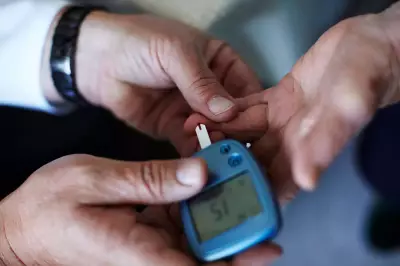
Diabetes screening becomes essential after reaching age 40. Healthcare providers utilize fasting blood sugar and HbA1c tests to identify individuals with prediabetes or early-stage diabetes. Detecting diabetes in its initial phases provides patients with the opportunity to manage blood sugar through dietary modifications, increased physical activity, and when necessary, appropriate medication.
4. Complete Blood Count (CBC)
A complete blood count test delivers essential information about red blood cells, white blood cells, and platelets. This comprehensive test enables the identification of multiple medical conditions including anemia, various infections, inflammation, and specific blood disorders that might otherwise go unnoticed.
5. Thyroid Function Test (TSH)
Thyroid disorders become increasingly common with advancing age, disrupting metabolism, energy levels, and weight management. The TSH test functions as an effective screening tool that detects both hypothyroidism and hyperthyroidism at their earliest, most manageable stages.
6. Liver & Kidney Function Tests (LFT + KFT)
These crucial tests assess the operational efficiency of both the liver and kidneys. They enable early detection of conditions like fatty liver disease, kidney impairment, and various metabolic disorders before their symptoms reach advanced, potentially irreversible stages.
7. Abdominal Ultrasound + Eye Examination
An abdominal ultrasound establishes a foundational examination of vital organs including the liver, kidneys, and gallbladder. Regular comprehensive eye exams assist in discovering vision alterations and detecting conditions like glaucoma, cataracts, and retinal disorders that become more prevalent with age.

8. Heart Evaluation (ECG + Echocardiography)
These tests examine both the heart's electrical activity through ECG and its physical structure through echocardiography. Advanced testing methods, including Coronary Artery Calcium scoring and CT coronary angiography, enable the detection of early heart disease in patients with increased cardiovascular risk factors.
9. Cancer & Bone Screening
Screenings including mammography, colonoscopy, and PSA testing enable medical professionals to detect cancers during their initial, most treatable phases. The DEXA scan bone density test serves as a crucial tool for determining osteoporosis status while helping to prevent future fractures through early intervention.
10. Vitamin D and B12 Tests
Deficiencies in vitamin D and vitamin B12 are remarkably common in adults over 40, resulting in symptoms that include persistent fatigue, bone weakness, nerve problems, and reduced immunity. Simple blood tests enable doctors to identify these deficiencies so they can be corrected through dietary changes and appropriate supplementation.
The Importance of Preventive Health Strategy
"Health experts increasingly emphasize preventive health methods instead of waiting for people to display symptoms," notes Dr. Bhati. "Individuals above 40 face significant health risks due to lifestyle choices including unhealthy eating patterns, insufficient physical activity, chronic stress, and sleep disturbances. The comprehensive body function assessments obtained through regular screenings enable people to understand their health status thoroughly and make informed, better health decisions."
Dr. Bhati stresses that medical testing needs to be performed in conjunction with healthy lifestyle habits for maximum effectiveness. "The combination of balanced nutrition, regular physical activity, adequate sleep, and effective stress management methods creates a powerful synergy with medical screenings. The age of 40 should serve as an opportunity for individuals to take proactive charge of their health rather than being perceived as a danger period."
He concludes with an empowering perspective: "The practice of regular health checkups combined with healthy lifestyle choices allows people to significantly lower their chances of developing major health conditions while experiencing better health and active living throughout their future years. This comprehensive approach transforms aging from a process of decline into a journey of sustained wellness and vitality."