

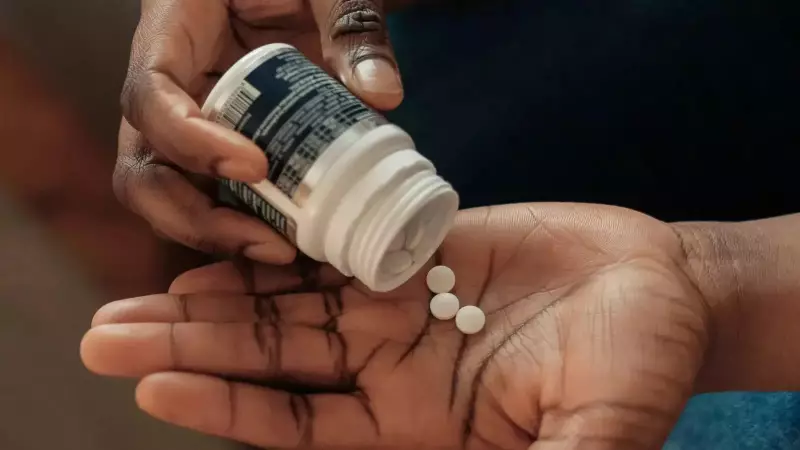
In a revelation that has sparked debate among medical professionals, former President Donald Trump has disclosed that he has been taking a high daily dose of aspirin for over two decades. This personal regimen directly contradicts established medical guidelines and the advice of his own physicians.
Defying Medical Advice for Decades
The details came to light in a recent interview with The Wall Street Journal. President Trump confirmed his long-standing habit of consuming a significant amount of aspirin every day, a practice he began more than twenty years ago. Despite repeated recommendations from his doctors to reduce the dosage, he has consistently chosen to maintain his self-prescribed routine.
His reasoning, as stated to the publication, is rooted in a belief about cardiovascular health: "They say aspirin is good for thinning out the blood, and I don’t want thick blood pouring through my heart." This statement underscores a common public understanding of aspirin's role in preventing blood clots, which can lead to heart attacks and strokes.

The Risks and Benefits of Daily Aspirin
While low-dose aspirin therapy is indeed a standard preventive measure for some individuals with a high risk of cardiovascular events, it is not without significant dangers. Medical authorities have tightened guidelines in recent years, specifically warning against the routine use of daily aspirin for primary prevention in most healthy adults.
The primary concern is the risk of internal bleeding. Aspirin's blood-thinning properties, which can prevent harmful clots, also increase the chance of bleeding in the stomach, brain, or other organs. This risk often outweighs the potential benefit for people without a clear history of heart disease or stroke. Doctors emphasize that any decision to start or continue daily aspirin must be a personalized one, made in close consultation with a healthcare provider after a thorough assessment of individual risk factors.
A Personal Choice with Public Implications
President Trump's disclosure, made public on January 3, 2026, places a spotlight on how public figures manage their health. It highlights a scenario where personal conviction overrides professional medical counsel. For the general public, especially in India where heart disease is a leading concern, this story serves as a critical reminder.
It is crucial to understand that self-medicating with aspirin is not a safe or recommended strategy for heart health. The decision involves a careful balance that must be struck by a medical expert. Individuals concerned about their cardiovascular risk should seek proper diagnosis and a tailored prevention plan from a qualified doctor, rather than following the routines of public figures or adopting one-size-fits-all solutions.
Ultimately, while aspirin remains a vital tool in modern medicine, its daily use is a serious medical intervention, not a harmless health supplement. The case of President Trump underscores the ongoing conversation between patient autonomy and evidence-based clinical guidance.






