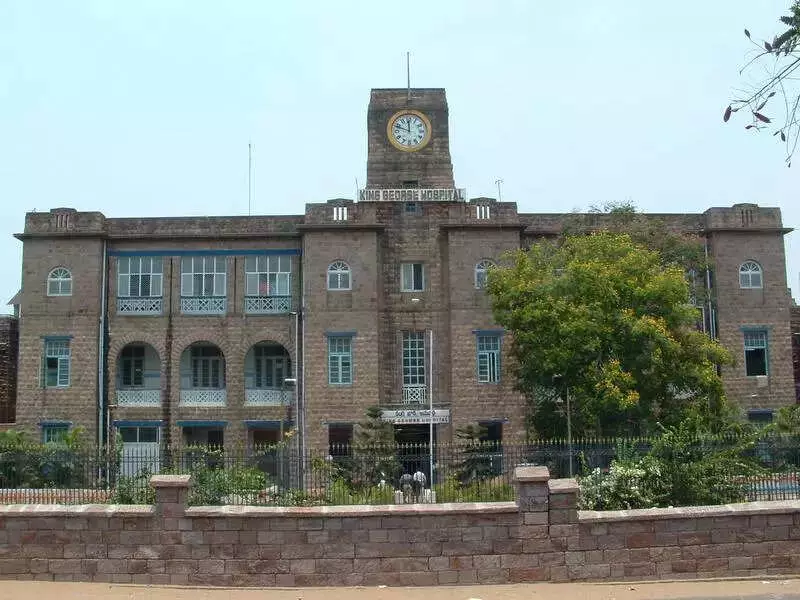
In a decisive move to prevent a repeat of a crippling power failure, the King George Hospital (KGH) in Visakhapatnam has bolstered its emergency infrastructure by installing a new mobile generator. This action comes directly after a nearly ten-hour blackout last month that brought critical hospital operations to a standstill.
Addressing the November Power Crisis
The severe disruption occurred when an underground internal electrical cable was accidentally damaged during routine maintenance work. The extended outage severely impacted hospital services, creating significant hardship for patients and staff alike. The incident highlighted a critical vulnerability in the hospital's power backup system, prompting immediate administrative review.
Strengthening Backup Power Infrastructure
To ensure such an event does not recur, the hospital management has now deployed a 323 kVA mobile generator, often called a trolley generator. This unit is specifically tasked with meeting the electricity demands of the busy Rajendra Prasad and Bhavanagar wards. Dr. I Vani, the superintendent of KGH, provided details on the enhanced safeguards.

KGH already possesses a total of 10 generators with a combined capacity of 2,333 kVA. The new strategy involves fortifying this backup further by arranging for three additional mobile generators, each with a 323 kVA capacity. "These measures are aimed squarely at ensuring that patients in ICUs do not face any inconvenience during power failures," Dr. Vani stated.
A Shift Towards Sustainable Energy
Alongside conventional generators, the hospital is also exploring renewable energy sources. Dr. Vani confirmed that electricity is currently being supplied to the CSR block using solar power. Looking ahead, a formal proposal has been prepared to install solar plants in various wards. This green initiative will be implemented if funds can be mobilized through Corporate Social Responsibility (CSR) schemes.
The superintendent emphasized that all necessary arrangements are being made to shield patients from difficulties. Special teams have been constituted to promptly address and resolve any operational issues that may emerge. The issue received high-level attention from Collector Harendhira Prasad and local MLA Vamsi Srinivas, underscoring its importance to the region's public health infrastructure.
This multi-pronged approach—combining immediate generator deployment with long-term solar plans—demonstrates KGH's commitment to maintaining uninterrupted healthcare services, especially for its most critical patients.