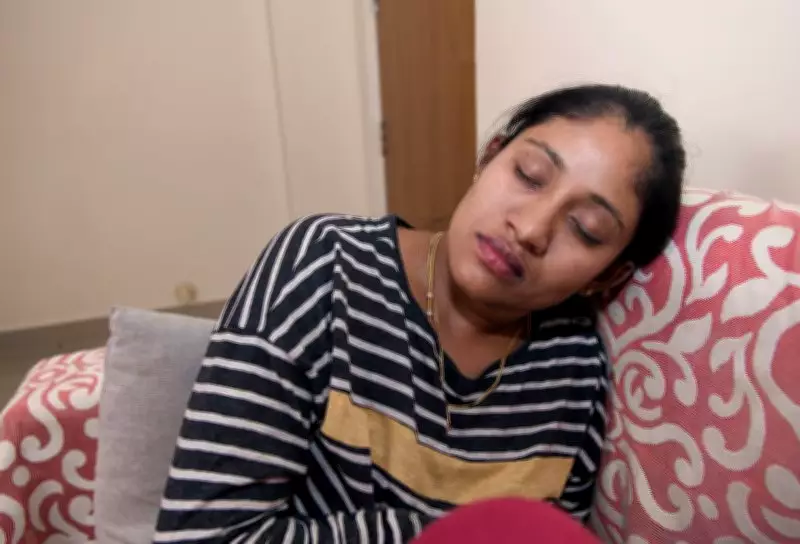
Nearly 57% of Indian women aged 15-49 years are anaemic, according to the National Family Health Survey-5, and the numbers are rising. This condition, characterized by low haemoglobin levels, affects women across all age groups, from adolescents to postmenopausal women, often going undiagnosed until symptoms become severe.
Common but Overlooked Symptoms
Anaemia develops gradually, making it easy to dismiss. Persistent fatigue, weakness, dizziness, headaches, breathlessness, pale skin, hair fall, brittle nails, poor concentration, and reduced exercise tolerance are common warning signs. Many women attribute these to stress, ageing, or a busy lifestyle, delaying diagnosis and treatment.
Dr. Nivedita Singh highlights two cases: Meera, a 52-year-old schoolteacher, had a haemoglobin level of 7.8 g/dL (normal: 11-14 g/dL) due to prolonged heavy menstrual bleeding during perimenopause. Riya, a 16-year-old, had a Hb of 9.2 g/dL, linked to irregular eating habits and junk food after her periods started.

Root Causes Across Life Stages
Anaemia in women stems from multiple factors: inadequate intake of iron, vitamin B12, and folate; frequent dieting; processed food consumption; menstrual blood loss; closely spaced pregnancies; poor iron absorption; and delayed diagnosis. Extreme dieting and meal skipping, especially among adolescents and young women aiming for weight loss, exacerbate deficiencies. In many households, women eat last or consume leftovers, further limiting nutrient intake.
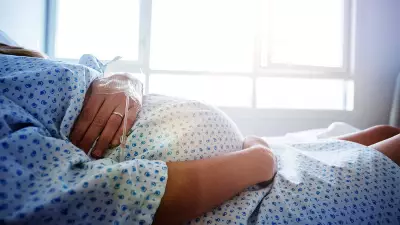
During adolescence (10-19 years), rapid growth and menstruation increase iron needs, affecting growth, immunity, concentration, and academic performance. In reproductive years (20-40 years), menstrual loss, restrictive diets, and conditions like fibroids or endometriosis deplete iron stores, causing fatigue and reduced productivity. Pregnancy and postpartum raise iron requirements significantly; untreated anaemia increases risks of preterm birth, low birth weight, postpartum hemorrhage, infections, and delayed recovery, and may affect the baby's neurological development.
Priya, 29, experienced fatigue, dizziness, and breathlessness in her second trimester, with Hb dropping to 8.5 g/dL. Her diet lacked iron-rich foods, and she had irregularly taken supplements. Timely iron therapy and diet modifications improved her Hb before delivery.
During perimenopause (40-55 years), prolonged or heavy menstrual bleeding is a common but overlooked cause of iron deficiency. After menopause, anaemia is never normal and should be investigated for nutritional deficiencies, gastrointestinal blood loss, chronic kidney disease, or cancers.
Prevention and Screening
A balanced diet rich in iron is the first line of defence: green leafy vegetables, lentils, legumes, dates, raisins, nuts, seeds, eggs, fish, and lean meat. Pairing these with vitamin C-rich foods like amla, oranges, guava, tomatoes, or lemon enhances absorption. Cooking in cast-iron utensils can also modestly increase iron content. Iron supplements should be taken only under medical guidance and not with tea, coffee, calcium supplements, or antacids, which interfere with absorption.
Routine screening via a simple blood test is crucial during adolescence, before conception, throughout pregnancy, after childbirth, and around menopause. Women whose Hb does not improve with iron therapy should be evaluated for vitamin B12 deficiency, thyroid disorders, chronic illnesses, or inherited blood disorders. Delayed cord clamping at birth is a simple intervention that improves newborn iron stores and reduces infant anaemia risk.