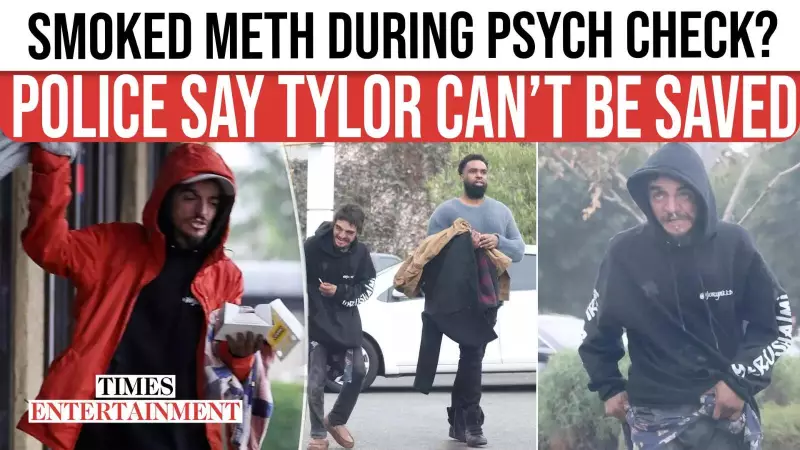
A recent incident involving a former Nickelodeon child actor has ignited a fierce debate about mental health laws and the limits of police intervention. Tylor Chase, known for his role on 'Ned's Declassified School Survival Guide', was released from custody just days after being placed on a psychiatric hold, despite engaging in alarming behaviour during his evaluation.
The Incident and the System's Response
According to reports, the situation reached a critical point during a court-ordered mental health evaluation. Shockingly, Chase allegedly smoked methamphetamine while undergoing the assessment. This extreme act, which should have signalled a severe crisis, did not result in long-term mandated care. Law enforcement officials have stated that their hands are tied by existing statutes. They explained that current legal frameworks prevent them from forcing an individual into prolonged treatment against their will, even in cases of clear and present danger demonstrated during an evaluation.
Public Outcry and Advocates' Stance
The decision to release Chase has sparked significant public outrage and confusion. Mental health advocates and members of the public are questioning how someone exhibiting such high-risk behaviour can be deemed fit for release. Advocates for mental health reform are calling this a clear example of systemic failure at a critical juncture. They argue that the laws, designed to protect individual liberties, are sometimes ill-equipped to handle acute crises where a person's capacity for rational decision-making is severely impaired by substance use and mental illness.

Broader Questions on Accountability and Law
This case forces a difficult conversation about where to draw the line between personal freedom and protective intervention. Officials maintain they are following the letter of the law, but the court of public opinion is asking louder questions:
- How can public safety and individual well-being be balanced in mental health emergencies?
- At what point should the state have the authority to mandate treatment?
- Are existing mental health laws adequate for contemporary challenges, especially those involving severe addiction?
The release of Tylor Chase underscores a painful gap in the safety net. As the story develops, it highlights the urgent need for a nuanced discussion on reforming mental health protocols to prevent tragedies before it's too late.