The Indian Psychiatric Society (IPS) has sounded a major alarm, revealing that a staggering majority of Indians suffering from psychiatric disorders are left to cope without any professional medical care. The society warned that this represents one of the widest mental health treatment gaps found anywhere in the world.
A Staggering Treatment Gap in Numbers
Experts speaking at the curtain-raiser for the 77th annual national conference of the IPS highlighted a critical crisis. They stated that nearly 80-85% of people with mental illness in India remain outside the formal healthcare system. This is despite noted advances in treatment options and a gradual increase in public awareness over the years.
This data aligns with the National Mental Health Survey, which indicates that over 85% of Indians with common mental disorders do not seek or receive any treatment. While the global figure for lack of access to trained care stands at over 70%, experts point out that India's vast population and severely limited mental health infrastructure make the challenge far more acute.

Root Causes and Dire Consequences
Dr. Savita Malhotra, President of the Indian Psychiatric Society, emphasized that mental illnesses are among the most treatable conditions if caught early. "Yet the fact that over 80% of patients do not receive timely psychiatric care reflects deep-rooted stigma, lack of awareness, and inadequate integration of mental health into primary healthcare," she said. Dr. Malhotra framed the issue not just as a medical concern, but as a social, economic, and developmental crisis for the nation.
The delay in seeking help, often stretching from months to years, is primarily driven by the fear of social stigma and judgment. Symptoms are frequently dismissed as mere stress or personal weakness. These barriers are worsened by a critical shortage of mental health professionals, especially in rural and semi-urban regions.
Dr. Nimesh G Desai, Chairperson of the conference organising committee and former director of the Institute of Human Behaviour & Allied Sciences, outlined the severe consequences. Absent or delayed treatment often leads to chronic illness, disability, profound family distress, loss of productivity, and a significantly increased risk of self-harm and suicide.
Vulnerable Groups Bear the Heaviest Burden
The treatment gap disproportionately impacts the most vulnerable. Studies show that in some regions, nearly 80% of children and adolescents with diagnosable mental disorders receive no treatment, severely affecting their education and life trajectories. Among older adults, approximately 84% remain untreated, often due to neglect, isolation, or the mistaken belief that psychological symptoms are an inevitable part of ageing.
Experts warned that untreated mental illness fuels other serious societal issues, including substance abuse, unemployment, family breakdown, and suicide. India already accounts for a high share of global suicide deaths, a situation exacerbated by this treatment gap.
A Call for Urgent, Scalable Solutions
While initiatives like the national Tele-MANAS mental health helpline and the expansion of the District Mental Health Programme are positive steps, experts unanimously agree that these efforts need to be scaled up massively and swiftly.
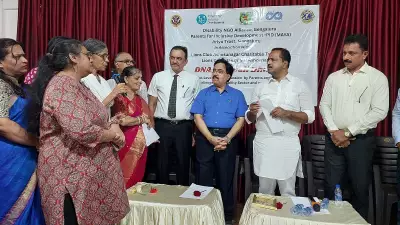
Dr. Deepak Raheja, Organising Secretary of the conference, called for urgent action. The upcoming conference, scheduled from January 28 to 31 at Yashobhoomi in New Delhi, aims to be a platform for clinicians, policymakers, and stakeholders to develop evidence-based solutions.
The society's recommendations for bridging this chasm include:
- Greater budgetary allocation for mental health services.
- Substantial expansion of the mental health workforce.
- Seamless integration of mental health services into primary healthcare systems.
- Sustained, nationwide awareness campaigns to combat stigma.
The IPS concluded with a powerful emphasis: as India progresses, mental health must be recognized as an integral and non-negotiable component of overall national health and well-being.