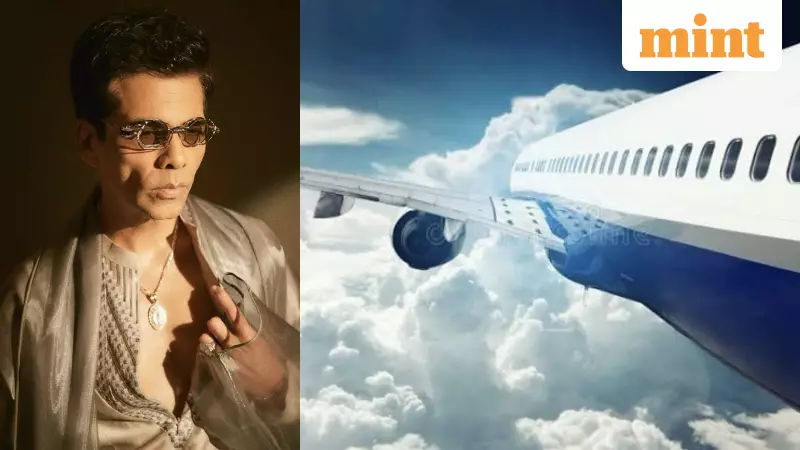
In a remarkably candid social media revelation, celebrated Bollywood filmmaker Karan Johar has pulled back the curtain on his intense and personal struggle with travel anxiety. The director, known for his glamorous life, shared the often-paralyzing fears he experiences every time he boards a flight, offering a rare glimpse into a common but seldom-discussed issue.
The Anatomy of Karan Johar's Flight Anxiety
Through a detailed and vulnerable Instagram post, Johar mapped out his anxiety-ridden journey from home to destination. His ritual begins with a desperate need to arrive at the airport exceptionally early, sometimes even before the ground staff. Once in the lounge, he finds himself checking his passport and boarding pass dozens of times, a compulsive act to soothe his nerves.
The anxiety doesn't subside once on board. "I wait for the pilot to announce the duration of the flight… As if my life depends on it," Johar confessed. He hangs on every word from the cockpit, especially the weather report. A promise of a "smooth ride" allows him to breathe, but a warning of "a few bumps on the way" sentences him to a flight spent on the edge of his seat, anticipating each jolt.

On short flights, he checks the flight map compulsively every ten minutes. For long hauls, his strategy involves medication and prayers for sleep, though he notes his subconscious remains alert to any turbulence. Johar also admitted to an overwhelming urge to be excessively polite to the cabin crew, smiling like a "Colgate ad" in the subconscious hope that kindness would be reciprocated in an emergency.
A Wider Trend: Rising Flight Anxiety in India
Johar anticipated being dismissed by trolls for having a "champagne problem," but he correctly believed many would relate. His experience mirrors a growing wave of flight anxiety among Indian travellers, a trend exacerbated by recent aviation incidents.
Industry observers note an uptick in cancellations, delays, and heightened passenger nervousness following events like the deadly Air India Express crash in Ahmedabad. Social media chatter has further fueled this collective anxiety. According to a Hindustan Times report, travellers are now more vigilant than ever, closely tracking flight numbers, aircraft models, and weather alerts. Searches for "safest airline 2025" and "how to calm flying fear" have topped charts this year.
Psychiatrist Dr. Sneha Sharma explained to Hindustan Times that the brain can respond to flight incidents even from a distance. "Hearing about a crash can trigger vicarious trauma. The brain stores it like a real memory," she said. For those predisposed to anxiety, ordinary sounds, turbulence, or announcements can become potent triggers, a condition worsened by the social pressure of not wanting to be judged for one's fear.
Expert-Recommended Strategies to Cope
While there is no one-size-fits-all solution for travel anxiety, experts suggest that small, intentional habits can significantly help manage the symptoms. Here are some key tips compiled from mental health professionals:
Avoid Aviation News Before Flying: Do not catch up on flight-related news or incidents before your journey to prevent priming your anxiety.
Create a Calming Environment: Listen to soothing music or a favourite podcast to distract your mind.
Mind Your Diet: Stay away from caffeine and sugary foods before and during the flight, as they can mimic or heighten symptoms of panic.
Practice Box Breathing: During takeoff, landing, and turbulence, practice a simple breathing technique: inhale for four counts, hold for four, exhale for four, and hold again for four. Repeat.
Carry a Comfort Item: Always have a familiar object with you, such as a favourite book, scarf, or a calming lavender roll-on.
Inform the Crew: Do not hesitate to let the cabin crew know you're an anxious flyer. They are trained to offer reassurance and support, and knowing they are aware can be a relief in itself.

By sharing his story, Karan Johar has not only normalized a widespread issue but also opened a crucial dialogue about mental well-being in everyday situations, proving that anxiety does not discriminate based on status or profession.