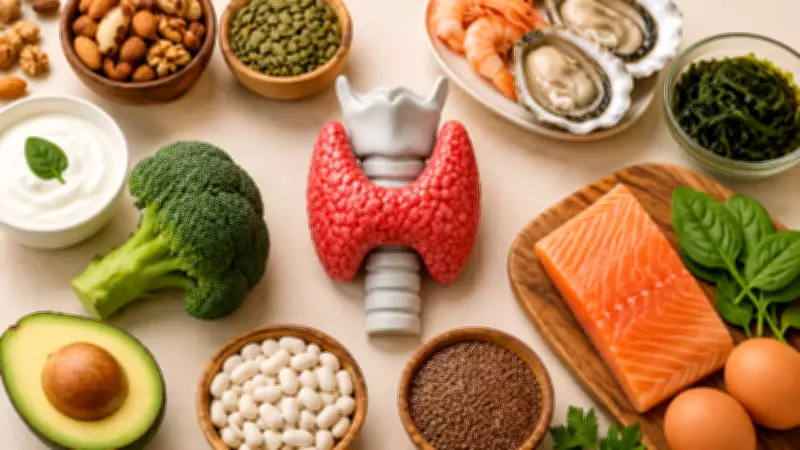
World Thyroid Day is observed annually on May 25th, 2026. The thyroid, a small butterfly-shaped gland located at the front of the neck just below the voice box, is part of the endocrine system. It produces and releases thyroid hormones, including triiodothyronine (T3) and thyroxine (T4), which regulate the body's metabolism—the process of converting food into energy for cellular function. These hormones also aid in cell repair and growth, affecting the cardiovascular system, digestion, breathing, nervous system, body temperature, mental activity, fertility, skin, and bone maintenance.
Types of Thyroid Disease
Thyroid disease primarily manifests as hypothyroidism (underactive thyroid) and hyperthyroidism (overactive thyroid). Hypothyroidism occurs when the thyroid gland produces insufficient hormones, slowing bodily processes. Symptoms include constant fatigue, unexplained weight gain, dry skin, depression, constipation, puffy face, slow heart rate, and cold intolerance. Hashimoto's disease, an autoimmune condition, is a common cause, along with iodine deficiency, which can also lead to goiter. Hypothyroidism is more prevalent in women, especially during pregnancy and menopause.
Hyperthyroidism, often linked to Graves' disease, involves excessive hormone production, leading to an overactive metabolism. Symptoms include irregular or rapid heartbeat, increased sweating, heat intolerance, irritability, unexplained weight loss, shaky hands, digestive issues, and insomnia. Other conditions like thyroiditis and postpartum thyroiditis can cause both hypo- and hyperthyroidism.

Prevalence and Theme
According to the Indian Thyroid Society, nearly 42 million people in India have thyroid issues. This year's World Thyroid Day theme is 'Thyroid and Nutrition', highlighting the connection between diet and thyroid function. Nutritional imbalances can trigger thyroid dysfunction. Micronutrients such as iron, selenium, copper, zinc, iodine, vitamin A, magnesium, and vitamin B12 influence thyroid hormone synthesis and regulation.
Expert Nutrition Tips for Thyroid Health
Dr. Ramesh Kinha, Chief Operating Officer of Thyrocare Technologies Ltd and Pathologist (MBBS, M.D.), shares five essential diet tips for maintaining thyroid health, especially for hypothyroidism:
1. Adopt a Mediterranean Diet
A Mediterranean diet rich in fruits, vegetables, whole grains (brown rice, oats, barley, whole wheat), healthy fats, nuts, seeds, olive oil, and lean proteins (beans, poultry, fish, legumes) with moderate dairy consumption benefits hypothyroidism. Its anti-inflammatory properties support thyroid health. A Paleo diet with unprocessed foods is also recommended. However, limit raw cruciferous vegetables (broccoli, radishes, cauliflower, collard greens, kale) as they can interfere with thyroid hormone production.
2. Ensure Optimal Iodine Intake
Iodine is crucial for thyroid hormone production. Deficiency is a common cause of hypothyroidism, especially in those not using iodized salt, vegans, and pregnant women. Sources include seaweed, dairy, seafood, and eggs. However, excessive iodine can harm those with autoimmune hypothyroidism like Hashimoto's. Avoid iodine supplements if you have a thyroid condition.
3. Maintain Balanced Selenium Intake
Selenium protects the thyroid from oxidative stress. Include selenium-rich foods like tuna, eggs, Brazil nuts, legumes, sardines, and oatmeal. Avoid excessive intake to prevent selenium toxicity.
4. Ensure Adequate Zinc Intake
Zinc deficiency can worsen hypothyroidism. Sources include pumpkin seeds, oysters, nuts, lentils, and fortified foods. Avoid very high zinc consumption unless advised by a healthcare provider.

5. Increase Vitamin D, B12, Iron, and Magnesium
Vitamin D deficiency is a risk factor for hypothyroidism. Sources include sunlight, fatty fish, red meat, egg yolks, fish liver oils, dairy, and plant-based milks. Low vitamin B12 and magnesium levels are also associated with thyroid dysfunction. Magnesium sources include pumpkin seeds, flaxseeds, chia seeds, cashews, almonds, whole grains, legumes, dark leafy greens, avocados, dark chocolate, bananas, raisins, milk, yogurt, and peanut butter. Iron deficiency can be addressed with iron-rich foods like spinach, fortified cereals, seafood, chickpeas, and tofu. Pair citrus fruits with iron-rich foods to enhance absorption.
Additional Recommendations
For hypothyroidism, limit ultra-processed foods to reduce inflammation. Increase fiber intake. For hyperthyroidism, avoid excess iodine, caffeine, soy, and gluten; include anti-inflammatory foods, vitamin D, calcium, zinc, and selenium. Combining a nutritious diet with daily moderate exercise, stress reduction, adequate sleep, regular check-ups, and limiting unhealthy foods can help manage thyroid health effectively.