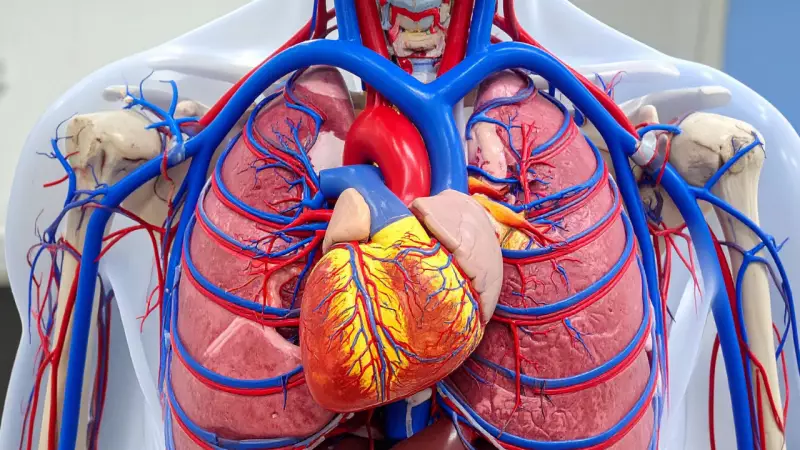
Arterial plaque, a silent threat to heart health, doesn't form overnight. It's a gradual buildup of cholesterol, inflammation, and hardened blood lipids within the artery walls. The encouraging news for Indians is that this process can be actively countered with foods already present in most kitchens. Specific everyday ingredients function like the body's own maintenance team, reducing harmful LDL cholesterol, soothing inflammation, and promoting healthy blood flow. Backed by strong scientific data, here are four powerful foods that support clearer and healthier arteries.
Oats: The Fibre Powerhouse That Binds Cholesterol
Oats are exceptional due to their high beta-glucan content, a type of soluble fibre. This fibre directly binds to cholesterol in the digestive system, preventing its absorption into the bloodstream. Controlled studies indicate that consuming 3 grams of beta-glucan daily can lower LDL (bad) cholesterol by 5–10% within weeks. Since LDL is the primary material for plaque formation, this reduction is highly significant.
A single bowl of rolled or steel-cut oats provides approximately 2.5 to 3 grams of this beneficial fibre. Consistent consumption not only improves overall cholesterol profiles but also lowers inflammation markers linked to heart disease. Whether enjoyed as a savoury masala oats, a warm porridge, or overnight oats, regular intake helps prevent cholesterol from adhering to artery walls.

For an Indian twist, cook oats as a savoury porridge with mustard seeds, curry leaves, mixed vegetables, and a touch of ghee. They also work perfectly for overnight oats soaked in curd or milk with added nuts and seeds. To maximise benefits, it's best to avoid instant flavoured packets, which often contain less fibre and more sugar.
Walnuts: The Nut That Improves Blood Vessel Function
Among nuts, walnuts are extensively researched for cardiovascular benefits. A large, year-long human trial demonstrated that people who ate a handful of walnuts every day experienced measurable improvements: a 4–6% reduction in harmful small LDL particles, a drop of 4–5 mg/dL in LDL cholesterol, and enhanced blood vessel elasticity.
These changes are crucial because small, dense LDL particles are most likely to infiltrate artery walls and initiate plaque formation. Walnuts deliver their protective effects through ALA (a plant-based omega-3 fatty acid), vitamin E, and polyphenols. These compounds work together to reduce oxidative stress and inflammation within blood vessels.
Consuming just 4 to 6 soaked walnuts daily is enough to reap these benefits. Importantly, studies show that adding walnuts to the diet does not lead to weight gain, addressing a common concern. Soak walnuts overnight and eat them in the morning, or chop them roughly to add to salads, sabzis, or curd bowls. Light dry roasting is acceptable, but deep roasting or frying should be avoided as it damages the healthy fats.
Fatty Fish: The Omega-3 Source with Proven Track Record
Fatty fish such as salmon, sardines, bangda (Indian mackerel), and trout are rich sources of EPA and DHA. These are specific omega-3 fatty acids with clinically proven benefits for heart markers. Research across diverse populations shows that regular consumption of omega-3-rich fish can lower triglycerides by 15–30%, slightly reduce blood pressure, decrease arterial wall inflammation, and improve blood flow by preventing platelet clumping.
A drop in triglycerides makes the blood less "sticky," thereby reducing the risk of plaque growth. Long-term data consistently shows that people who eat fatty fish 1–2 times per week have lower rates of heart disease and arterial stiffness compared to those who rarely consume fish. While supplement results are mixed, the benefits of eating actual fish remain clear.
To preserve the precious omega-3 content, cook fish using gentle methods like pan-grilling, steaming, or shallow cooking with minimal oil. Traditional Indian preparations, such as mustard-based curries or simple marinades with turmeric and garlic, are excellent choices. It is best to avoid deep-frying.

Garlic: The Ancient Remedy Backed by Modern Science
Garlic has been a cornerstone of traditional heart remedies for generations, and modern research validates its use. Multiple human studies confirm that regular garlic intake can lower total cholesterol by 7–10%, reduce LDL cholesterol by 5–15% in some groups, modestly lower blood pressure, and improve blood vessel dilation.
The key active compound, allicin, is formed when garlic is crushed or chopped. Allicin helps relax blood vessels, easing the heart's workload. Incorporating even one clove of garlic daily, whether raw or lightly cooked, can contribute to cleaner and more flexible arteries over time. Given its staple status in dals, sabzis, and chutneys, adding it to your diet requires no extra effort.
For maximum effect, crush or finely chop garlic and let it sit for 5–10 minutes before cooking to activate the allicin. Add it towards the end of cooking in dals and sabzis, or lightly sauté it in oil without browning. For a stronger impact, raw garlic can be blended into chutneys.
In conclusion, protecting your arteries doesn't require exotic superfoods. By consciously including these four readily available foods—oats, walnuts, fatty fish, and garlic—in your regular Indian diet, you can take powerful, natural steps towards long-term heart health and clearer arteries.