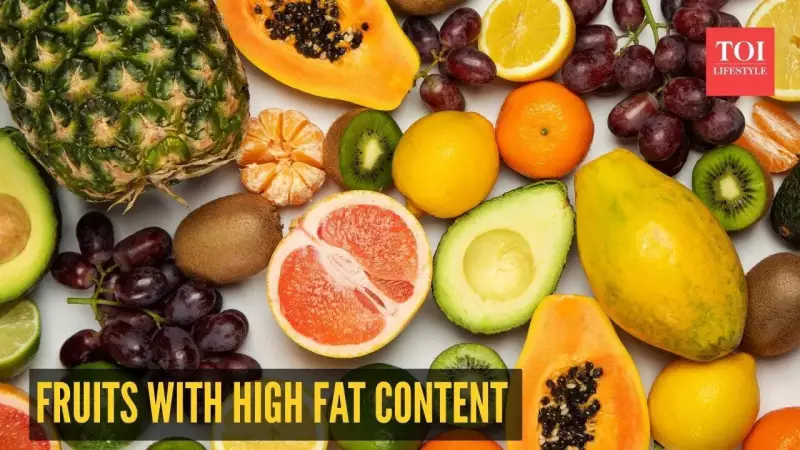
For generations, we've been taught to view fruit as nature's perfect snack - colourful, refreshing, and virtually fat-free. This nutritional binary has positioned fruit on one side as pure and cleansing, while fat sits on the other as indulgent and heavy. However, this long-standing perception is being challenged by a group of fruits that proudly blur these lines.
The Myth of Fat-Free Fruits
Registered dietitian Patricia Bannan, based in Los Angeles, explains to TODAY.com that some fruits don't fit neatly into the low-calorie narrative we've come to expect. These fruits tell a deeper story about nourishment and challenge our assumptions about what "healthy" should feel like. The truth is, not all fat is created equal, and not all fruits are as light as we imagine.
Five Fruits That Break the Mold
Durian: Known across Southeast Asia as the "king of fruits," durian is as divisive as it is distinctive. Beneath its thorny exterior lies custard-soft flesh that's both sweet and bitter. This unique fruit is surprisingly dense with natural fats, containing approximately 13 grams of fat per cup.

Avocado: As the poster fruit for healthy fats, avocados have earned their reputation. About one-third of a medium avocado provides 7 grams of fat, predominantly monounsaturated. "These fats give avocados their creamy texture and satisfying quality, making them stand apart nutritionally and offering benefits beyond what we typically expect from fruit," says Bannan.
Olives: Though they frequently star in martinis and Mediterranean dishes, olives are biologically classified as fruits. Ten green olives contain around 6 grams of fat, mostly the heart-healthy monounsaturated variety that's been linked with reduced cardiovascular risk. They're also the primary source of olive oil, a cornerstone of the celebrated Mediterranean diet.
Coconut: When you crack open a coconut, you discover a fruit that's nearly 65% fat by dry weight. Most of this comes in the form of saturated fats called medium-chain triglycerides (MCTs), which are metabolized faster than the long-chain fats found in meat or butter. However, this doesn't mean they can be consumed without limits.
Açaí Berry: Beyond their smoothie-bowl fame, açaí berries are naturally fatty. Half a cup of unsweetened puree contains roughly 5 grams of fat, consisting mainly of heart-friendly omega-type fats that offer significant nutritional benefits.
Lesser-Known Fatty Fruits Worth Discovering
Sapodilla: Soft as a ripe pear with a flavour reminiscent of brown sugar, sapodilla is a lesser-known tropical fruit that carries a modest but notable amount of fat - approximately 2.7 grams per cup.
Carissa (Natal Plum): This bright red, cranberry-tart fruit, also known as natal plum, contains roughly 2 grams of fat per cup. While often transformed into jams or jellies, the fresh fruit provides valuable antioxidants alongside small doses of healthy fats.
The information provided in this article is for educational purposes only and is not intended as medical advice. Always consult with a qualified healthcare professional before starting any new medication or treatment and before changing your diet or supplement regimen.