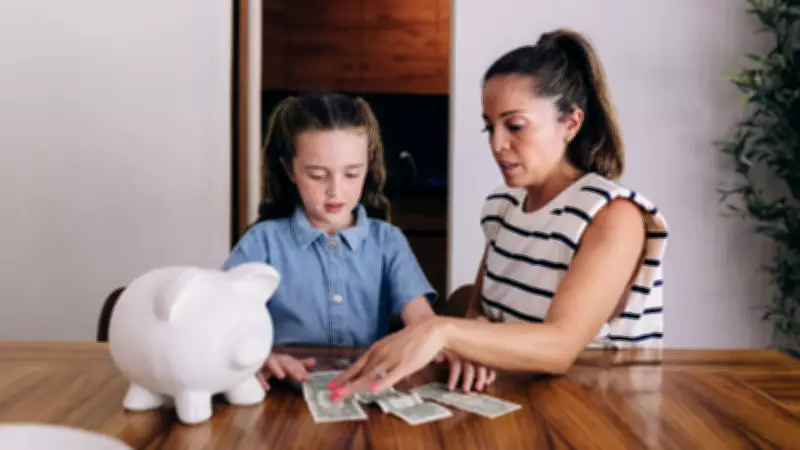
Sooner or later, every child will have to deal with money. While they learn about money through classroom lessons, real-life lessons can only be taught through everyday actions and activities. Parents do not need complicated financial lectures to raise financial awareness. What they need are small conversations, simple habits, and practical involvement to help children understand the value of money and develop thoughtful spending habits from an early age. Here are five simple ways parents can use daily life to teach smart money habits naturally and effectively.
Make Grocery Shopping a Money Lesson
Grocery shopping is one of the best opportunities to teach children about budgeting and decision-making. When parents discuss why buying one product offers more value than another, children begin to understand that their choices matter when it comes to money. Grocery shopping also helps children understand why overconsumption is bad for their budget and on a larger scale.
Teach Kids the Difference Between Wants and Needs
The most valuable money lesson is knowing the difference between wants and needs. This understanding helps children manage impulse spending as they grow older. Even during grocery shopping, parents can teach this difference. For example, explain that items such as milk, vegetables, or school supplies are important and fall under the needs category. On the other hand, snacks and toys are more or less wants and can lead to impulse buying.

Use Pocket Money to Build Responsibility
Pocket money is often seen as a way to keep children happy, but it holds greater importance. More than just handing children cash, pocket money helps them understand the consequences of their choices. When children use pocket money on their own, they learn that planning matters. As they learn to plan, they handle responsibilities better.
Involve Children in Simple Family Budgeting Conversations
Many parents avoid discussing financial matters in front of their children. While children should not be burdened with financial stress, involving them in age-appropriate budgeting conversations can teach valuable life skills. Such conversations help them understand that money is managed through effort and careful planning. Over time, they learn that spending has limits and managing money helps create security.
Be an Example Children Can Learn From
Children learn by observing their parents. Whether it is saving money, avoiding waste, or spending wisely, children absorb these everyday behaviors. The most powerful money lesson a parent can give is by being an example. It is equally important to model emotional balance around money. When parents make financial decisions calmly, they send a message that money is not a source of stress if spent thoughtfully. In the long run, children raised with healthy money habits become responsible and mindful adults. Often, the strongest money lessons are not taught directly; they are lived every day at home.