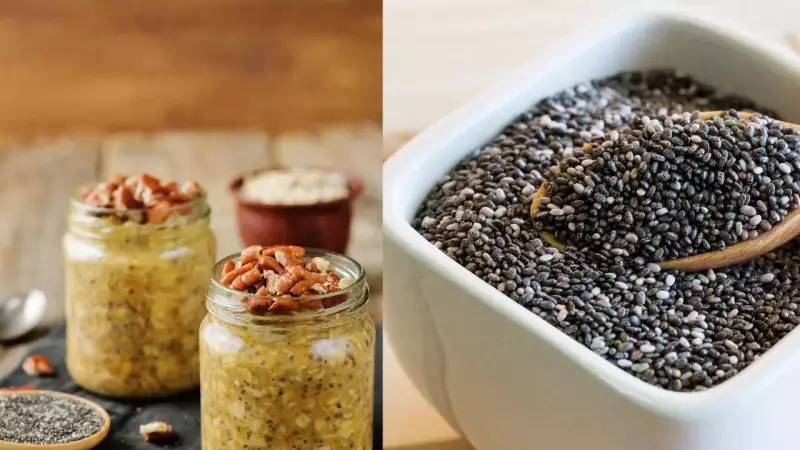
Chia seeds have become a staple in health-conscious kitchens across India, celebrated as a superfood packed with nutrients. However, many people unknowingly make mistakes while consuming these tiny seeds, which can lead to digestive discomfort and even reduce their health benefits. If you've been sprinkling chia seeds on everything without a second thought, it's time to learn the right way to harness their power.
What Are Chia Seeds and Why Are They Popular?
Chia seeds are small, oval-shaped seeds that come from the Salvia hispanica plant, native to Mexico and Guatemala. Their global popularity stems from an impressive nutritional profile. A standard serving of around 2 tablespoons provides approximately 137 calories, 4.7g of protein, 8.7g of fat, and a substantial 12g of fiber. This serving also delivers about 5g of omega-3 ALA (alpha-linolenic acid), crucial for heart and brain health, along with essential minerals like calcium, magnesium, phosphorus, manganese, iron, and zinc.
Regular consumption of chia seeds is linked to numerous health advantages. The high fiber content aids digestion and helps control blood sugar levels. The omega-3 fatty acids work to reduce inflammation and lower cholesterol, while the mineral content supports stronger bones. Furthermore, the antioxidants in chia seeds offer protection against cardiac ailments, diabetes, and other metabolic issues, contributing to stabilized glucose and blood pressure.

6 Critical Mistakes to Avoid With Chia Seeds
Despite being a nutritional powerhouse, chia seeds can backfire if consumed incorrectly. Here are the six most common errors people commit.
1. Eating Them Dry Without Soaking
This is potentially the riskiest mistake. Chia seeds can absorb 10 to 12 times their weight in water, forming a gel-like substance. Consuming them dry allows this expansion to occur in your throat or esophagus, posing a serious choking hazard or risk of digestive blockage.
The Right Way: Always soak 1-2 tablespoons of chia seeds in at least half a cup of water, milk, or a plant-based alternative. Let them sit for 10-30 minutes until they achieve a gel-like consistency before consumption.
2. Overconsuming Beyond the Recommended Limit
More is not always better. Exceeding the suggested daily intake of 1 to 2 tablespoons can overwhelm your digestive system with too much fiber too quickly. This often results in unpleasant side effects like bloating, gas, abdominal cramps, or diarrhea.
The Right Way: Start with a small dose, such as 1 teaspoon daily. Gradually increase the amount over several weeks until you reach the standard 1-2 tablespoon serving. Ensure you drink plenty of water throughout the day.
3. Ignoring Proper Hydration
Fiber requires adequate water to move smoothly through the digestive tract. When you increase your fiber intake with chia seeds but don't drink enough fluids, it can lead to constipation instead of the promised digestive relief.
The Right Way: Pair your chia seed intake with 8-10 glasses of water daily. Incorporate them into naturally hydrating recipes like smoothies, juices, or soups.
4. Introducing Them Suddenly into a Low-Fiber Diet
If your current diet is low in fiber, adding a large amount of chia seeds immediately can shock your gut. A sudden spike in fiber intake is a common cause of digestive distress.
The Right Way: Introduce chia seeds slowly into your diet. Mix a small amount into yogurt, oatmeal, or dal. Simultaneously, increase your intake of other high-fiber foods like fruits and vegetables to allow your system to adjust.
5. Buying Poor Quality or Rancid Seeds
The beneficial omega-3 fatty acids in chia seeds are sensitive and can oxidize quickly if the seeds are old or stored improperly. Rancid seeds lose their nutritional value and can develop an unpleasant, off-putting flavour.
The Right Way: Opt for high-quality, preferably organic seeds. Store them in an airtight container in a cool, dark place, such as a pantry or refrigerator. Always check the packaging date and smell the seeds for freshness before use.

6. Overheating or Cooking Them Harshly
Subjecting chia seeds to high heat can degrade their delicate nutrients, including the omega-3s, fiber integrity, and antioxidants, diminishing their health benefits.
The Right Way: Use chia seeds raw or after soaking. If adding to cooked dishes, do so at the end of the cooking process with low heat. They are best enjoyed in no-cook or low-heat preparations like puddings, salads, overnight oats, or as a topping for smoothie bowls.
Maximising the Benefits of Your Chia Seeds
By avoiding these common pitfalls, you can safely incorporate chia seeds into your daily routine and reap their full spectrum of health benefits. Remember, moderation and proper preparation are key. Start small, soak them well, stay hydrated, and choose quality seeds to make this ancient superfood a truly powerful ally for your heart, gut, bones, and overall metabolic health. Making these simple adjustments ensures that your journey towards wellness with chia seeds is both effective and comfortable.