

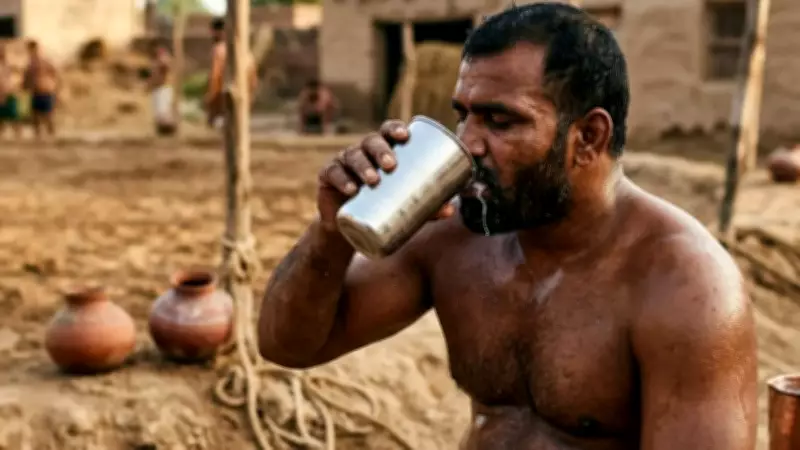
6 Foods Desi Pehalwans Ate Before Protein Supplements Became a Trend
Let us accept it: the rise of protein supplements has undoubtedly made it easier for athletes to increase their protein intake. Today, every fitness lover and bodybuilder swears by whey protein shakes, pre-workout packaged bars, and nutrition powders. But have you ever thought what India's traditional wrestlers, or pehalwans, ate to build those impressive physiques before the fad of supplements took over the market? The answer is simple and locally available foods. Take a look at these six simple foods that formed the backbone of a pehalwan's diet before protein supplements became popular.
Importance of Homemade Food in Daily Routine of Pehalwans
While the latest buzz often makes us believe that fat is not good, pehalwans never believed so. Ingredients like ghee and malai have been part of their diet for generations, and a pehalwan can have around 200 grams of it in a day as it is packed with energy and helps the body bulk up. According to an article by First Post, a 2010 study by Dr Hari Sharma suggested that diets consisting of 10% ghee do not show increased levels of heart disease indicators – only for those who are not predisposed to heart conditions. Preliminary studies have also shown that dairy fats may be protective against the complications of diabetes. Let us take a look at the common foods they generally eat.
Milk
For many pehalwans to this day, milk is the ultimate strength-building drink. Unlike modern low-fat dairy products, back in time, pehalwans consumed full-fat milk in generous quantities. If online data and historical accounts can be believed, pehalwans used to drink several litres of milk daily. It is said to provide a combination of protein, carbohydrates, calcium, and healthy fats, making it a complete food for recovery and muscle development. Many wrestlers combine it with almonds, saffron, or herbs to create nutrient-rich drinks.

Almonds
The premium nut has been a basic food for pehalwans for generations. Often referred to as a superfood, it always held a special place in the pehalwan's kitchen. Back in time, almonds were typically soaked overnight and eaten in the morning, as the nuts are rich in protein, healthy fats, vitamin E, and minerals. They were believed to improve strength, stamina, and mental focus. According to experts, some akharas had wrestlers consume large quantities of almonds daily, especially during intensive training periods. The soaking process was thought to make them easier to digest and enhance nutrient absorption. Some pehalwans combine almonds with milk to make a powerful post-workout meal too.
Ghee
What people often reject these days calling it pure fat has been a part of the pehalwan's pantry for decades because they always considered ghee an essential part of their diet. Made by clarifying butter, ghee is rich in calories and fat-soluble vitamins. Wrestlers used it generously in rotis, dals, and other meals to meet their high energy demands. After hectic training for hours in the ground, they required significant calorie intake, and ghee provided a concentrated source of energy. It was also believed to support joint health, endurance, and recovery.
Chana
Today, we have access to all sorts of fiber and protein, but back in time, not all pehalwans had access to expensive foods, and those ones used to rely on chana or Bengal gram. According to experts, roasted chana became one of the most popular snacks in akharas because it was affordable, portable, and rich in nutrients. It supplied protein, fibre, complex carbohydrates, and minerals that supported sustained energy levels. Many wrestlers paired it with jaggery, as the combination provides both protein and quick energy, making it ideal before or after training sessions.
Dahi
Back then, there was nothing like Greek yogurt or low-fat curd; all that was available was pure ghar ka dahi, and every wrestler enjoyed it in the form of lassi, as it is, or relished it in the form of raita. Rich in protein, calcium, and beneficial bacteria, dahi helped support digestion and recovery. Since wrestling training often took place outdoors in hot weather, curd was also valued for its cooling properties. Dahi was also part of a balanced diet, where it was served in a bowl along with roti, dal, sabzi, and salad for lunch and dinner.

Sattu
Also known as 'poor man's protein', sattu is a proven source of protein and other nutrients. And before protein shakes came in tubs and shaker bottles, there was sattu. Made with roasted Bengal gram that is ground into flour, sattu has been a nutritional powerhouse for centuries. Rich in protein, fibre, and complex carbohydrates, it provided a convenient source of energy for physically active individuals. It is said that pehalwans used to mix it with water, milk, or jaggery to create a filling drink that could be consumed quickly before or after training. It was inexpensive, easy to prepare, and highly satisfying.





