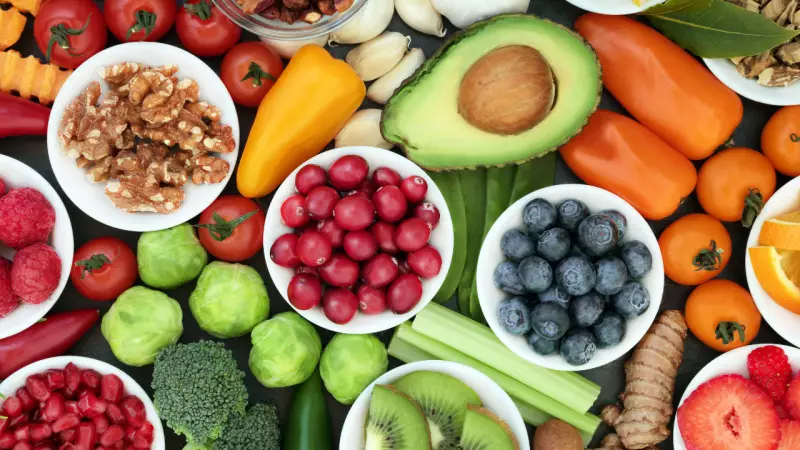
Mounting scientific evidence continues to highlight a powerful truth: the food on our plates plays a crucial role in our defence against cancer. A diet rich in diverse vegetables, fruits, whole grains, beans, and other plant-based foods is consistently linked to a lower likelihood of developing many types of cancer.
The Science Behind Food as a Shield
Laboratory studies have demonstrated that minerals, vitamins, and natural plant compounds known as phytochemicals possess strong anti-cancer properties. These beneficial substances work by reducing inflammation, combating harmful free radicals, and supporting healthy cell function. While no single food is a magic bullet, consistently eating a variety of these protective foods can significantly boost your body's natural defences and lower your long-term cancer risk.
Eight Powerful Foods for Your Daily Diet
Based on findings from institutions like the American Institute for Cancer Research, here are eight everyday foods that might help in reducing cancer risk:

Apples: Packed with dietary fibre and polyphenols, apples interact with gut bacteria to create an environment that may reduce cancer risk. Population studies have specifically associated apple consumption with a lower risk of oestrogen receptor-negative (ER-) breast cancer.
Carrots: As a non-starchy vegetable, carrots are a source of cancer-fighting carotenoids like beta-carotene and other phytochemicals. Research is ongoing into the combined benefits of all the components found in whole carrots.
Cauliflower: This white cruciferous vegetable proves that colour isn't everything. It is nutrient-dense and part of the cruciferous family, which has been extensively studied for cancer prevention. Lab studies show its compounds have protective qualities, though human study results have been mixed, potentially varying by individual and cooking method.
Coffee: Research indicates that drinking coffee is associated with a reduced incidence of endometrial and liver cancers. Both regular and decaffeinated coffee appear to offer benefits due to their phytochemical content. Concerns about acrylamide in roasted beans are not currently supported by evidence linking it to human cancer risk.
Garlic: Laboratory research suggests the allium compounds in garlic have anti-cancer effects. However, more human studies are needed to understand how factors like dosage, preparation, and individual differences influence its potential impact on cancer risk.
Oranges: This common citrus fruit offers antioxidant and other protective benefits. A notable point is that oranges are often consumed as juice rather than whole fruit, and more research is needed to understand how this affects the nutritional and protective profile.
Tomatoes: Early research strongly linked tomatoes, particularly lycopene, to a lower risk of prostate cancer. While more recent, higher-quality studies have tempered this association, questions remain about the effects of different tomato forms, dosages, and interactions with other foods.
Blueberries: These berries contain a variety of phytochemicals and minerals that have shown anti-cancer properties in lab settings. Some studies show blueberry consumption increases antioxidant activity in the blood and may protect against DNA damage, though more human research is required.
Building a Long-Term Defence
The overarching message from nutritional science is clear: a consistent, varied diet centred on plant-based foods is a powerful strategy for long-term health. Incorporating these eight foods into your daily routine is a practical step towards harnessing the protective power of your diet. Remember, it's the sustained pattern of healthy eating, not any one superfood, that builds your body's resilience against diseases like cancer over time.