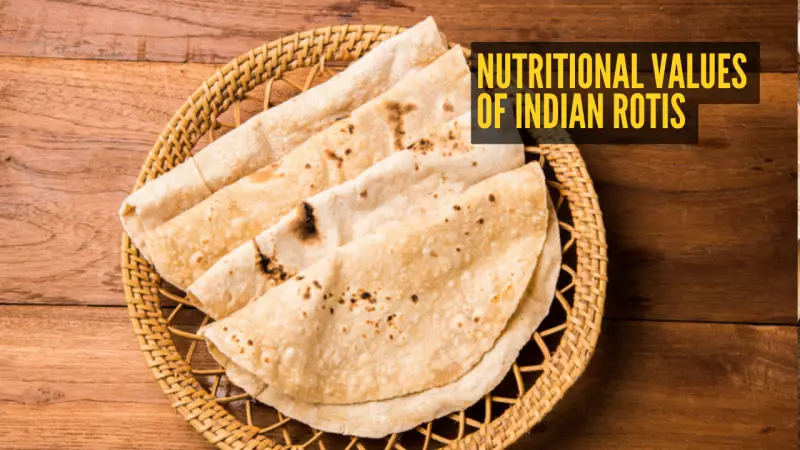
In the diverse tapestry of Indian cuisine, the humble roti or chapati stands as a universal staple, gracing plates from breakfast through dinner. More than just an accompaniment to curries and subzis, this soft, warm bread is a symbol of tradition, sustenance, and vital nutrition that fuels millions daily. A recent exploration into the nutritional profiles of India's most beloved flatbreads sheds light on their protein content, caloric value, and even how long they take to digest, offering a data-driven guide to making informed dietary choices.
Ayurvedic Wisdom on Roti Consumption
Ayurveda, the ancient Indian system of medicine, provides a unique lens through which to view our daily bread. It classifies whole wheat roti as 'guru' or heavy to digest, yet also madhura (sweet) and snigdha (unctuous). This combination is believed to build strength and vitality. Practitioners note it helps balance Vata and Pitta doshas but advise cautious consumption for those with a dominant Kapha constitution.
Nutritional Breakdown of 9 Indian Rotis
The analysis, based on approximations from sources like USDA data and culinary experts, details the nutritional value per standard serving, typically made from about 40 grams of flour. It's crucial to remember that actual values can vary based on flour quality, cooking method, water content, and added ingredients like oil or ghee.

From Whole Wheat to Gluten-Free Options
Whole Wheat Roti: A classic choice, one medium roti provides roughly 120 calories, 3.1g protein, and 2.4g dietary fiber, along with minerals like calcium and iron. It takes about 2-3 hours to digest.
Multigrain Roti: Packed with diversity, this roti is a protein and fiber powerhouse. Per 100g of flour, it can offer between 13.6g to 15.2g of protein and 11.8g to 14.1g of fiber, with about 70-80 calories per serving. Digestion time is 2-3 hours.
Makki ki Roti: The winter favorite from North India, a serving contains approximately 145 calories, 3.2g protein, and 2.9g fiber. Its heavier nature means it takes longer to digest, around 3-4 hours.
Jowar Roti: A popular millet-based bread, each roti delivers an estimated 120-140 calories and about 4g of fiber. It is relatively quick to digest, taking around 2 hours.
Bajra Roti: Another nutritious millet option, one bajra roti provides 140-150 calories, 4-5g protein, and 3-4g fiber. Its standout feature is being a gluten-free alternative for those with intolerances. Digestion requires 3-4 hours.
Ragi Roti (Finger Millet): Known for its calcium content, a ragi roti serving has roughly 130-140 calories, 3-4g protein, and 1.4-3.5g dietary fiber. It takes 2.5 to 3 hours to digest.
Besan Roti (Gram Flour): This protein-rich option stands out with approximately 150 calories and a significant 9g of protein per serving, coupled with 4.3g of fiber. It digests in about 2 hours.
Barley Roti: High in fiber, one serving of barley roti offers around 140-145 calories, 4.2g protein, and a notable 6.9g of dietary fiber. Its digestion time is 2-3 hours.
Missi Roti: A flavorful blend from Rajasthan, traditionally made with besan, whole wheat, and spices like ajwain and jeera. Each serving provides about 3–4.5 grams of protein, 18–22g carbs, and 2-3g fiber, digesting in 2-3 hours.
Making Informed Choices for Daily Nutrition
This detailed comparison underscores that the simple roti is not so simple after all. From the high-protein besan and multigrain variants to the gluten-free benefits of bajra and the high fiber of barley, each type brings a distinct nutritional profile to the table. Understanding these values—alongside the Ayurvedic perspective and approximate digestion times—empowers individuals to align their staple food choices with their health goals, dietary restrictions, and digestive comfort. As always, this information is for general knowledge, and consulting a doctor or nutritionist for personalized advice is recommended.