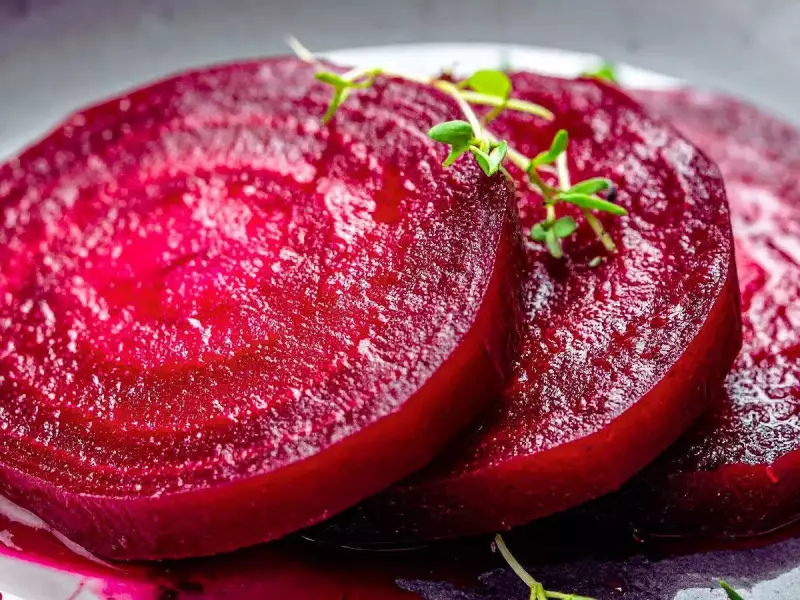
Beetroot, a vibrant root vegetable, continues to reign as a nutritional powerhouse. Packed with heart-friendly nitrates, potent antioxidants like betalains, folate, and vitamin C, it's celebrated for boosting heart health, digestion, and immunity. But a common dilemma plagues health-conscious Indians: is it better to eat it raw or boiled? The debate hinges on nutrient retention, digestibility, and concerns about kidney stones. Let's delve into the scientific evidence to find the perfect way to include this superfood in your routine.
The Nutritional Showdown: Raw vs Cooked
Understanding the nutritional profile is key. According to USFDA data, a 100-gram serving of raw beetroot contains 43 calories, 9.6g of carbs, 2.8g of fiber, and 1.6g of protein. It's rich in vitamin C, folate (approximately 109µg), potassium (325mg), and iron (0.8mg). Its vibrant colour comes from betalains, powerful antioxidants that combat inflammation.
Boiling alters this profile slightly. The boiled version has similar calories (44) and protein but loses some heat-sensitive nutrients. Fiber content drops by about 2 grams, and there is a reduction in vitamin C and betalains. However, it retains potassium and folate effectively and can make certain minerals easier for the body to absorb.

The Case for Raw Beetroot
Consuming beetroot in its raw form, often grated into salads or blended into juices, is popular for a reason. Raw beets contain the highest levels of dietary nitrates, which the body converts to nitric oxide. This compound is crucial for improving blood flow and lowering blood pressure.
Scientific studies back these benefits. Research involving individuals with type 2 diabetes found that daily consumption of raw beetroot for eight weeks reduced HbA1c levels, blood pressure, and liver enzymes, while boosting antioxidant status and cognitive function. The high fiber content also promotes gut health and satiety.
However, the tougher texture and higher concentration of natural compounds called oxalates can be problematic. For people with sensitive stomachs or a history of kidney stones, high oxalate intake is a genuine concern.
The Benefits of Boiled Beetroot
Boiling transforms the vegetable, making it a gentler option. The process softens the fibrous structure, making it much easier to digest for those prone to bloating or gas. Crucially, boiling significantly reduces oxalate content, thereby lowering the associated risk of kidney stone formation.
While some antioxidants are lost, the cooking process can increase the bioavailability of others. Boiled beetroot also develops a sweeter, mellower flavour, making it a versatile ingredient in Indian curries, raitas, or as a roasted side. The key heart-healthy nitrates remain, though in slightly diminished potency compared to the raw state.
How to Consume Beetroot for Maximum Benefit
Nutrition experts suggest a balanced approach rather than declaring one method the absolute winner. For the biggest nutritional punch—maximizing vitamins, antioxidants, and nitrates—opt for raw. Grate it into fresh salads, blend it into smoothies, or juice it (preferably not on an empty stomach if you have acidity).
Choose the boiled form for comforting meals, especially if you have digestive sensitivities or kidney stone concerns. Boil for 20–30 minutes to minimize nutrient loss. The ideal strategy is to switch between both: use raw beetroot for detox-focused days and boiled versions in daily sabzis, soups, or tikkis.
Start with small quantities to avoid beeturia—a harmless condition where urine turns pinkish-red. Here are two simple salad recipes to get you started:
Boiled Beetroot Salad: Cube a firm, boiled beetroot. Mix with roasted walnuts, chopped cucumber, boiled carrots, and red onions. For the dressing, whisk together 1 tsp olive oil, lemon juice, 1 tsp honey, 2 minced garlic cloves, salt, black pepper, and red chilli flakes. Toss well.
Raw Beetroot Salad: Finely chop or grate a peeled beetroot. In a bowl, combine it with pomegranate arils, toasted peanuts, and a chopped apple. Season with salt and chaat masala. Top with crumbled feta cheese for a creamy contrast.

Beyond elaborate recipes, you can easily incorporate beetroot daily: add grated beet to your regular salad with lemon; blend it with carrots and amla in a smoothie; mix it into dosa batter for colour and nutrients; or even use diluted beetroot juice as a DIY facial toner.
In conclusion, neither raw nor boiled is universally "best." Raw beetroot offers peak nutrition for broad health benefits, while boiling provides a gut-friendly, lower-oxalate alternative. Rotating your preparation methods is the smartest way to enjoy all the advantages of this incredible Indian superfood.