Eggs are a kitchen staple, enjoyed scrambled on toast, fried in a hurry, or separated for baking. Yet, beyond their versatility, they are a crucial, everyday source of Vitamin B12—a nutrient vital for nerve function, red blood cell formation, and sustained energy that our bodies cannot produce. For those with limited or inconsistent intake of animal foods, eggs offer a simple nutritional bridge.
The Impact of Cooking on Egg Nutrients
A key study published in PMC reveals that how you cook your eggs significantly influences how well your body can later absorb their nutrients. The research indicates that temperature and cooking method alter the structure and digestibility of the egg's components. This means if you're eating eggs for their nutritional punch, not just out of habit, paying attention to your cooking style is essential.
Vitamin B12 is primarily housed in the yolk and is sensitive to prolonged, high-heat cooking. Turning the yolk dull, crumbly, and over-hard through excessive boiling can degrade this precious vitamin. The goal is to find a balance between safety, taste, and optimal nutrient retention through gentler, shorter cooking processes.

Gentle Cooking Techniques for Maximum B12
Here are practical, equipment-friendly methods anyone can use, even on a sleepy morning, to help preserve the Vitamin B12 content in eggs.
The Art of Soft Boiling
While boiling seems simple, the secret lies in avoiding a violent, rolling boil. For better B12 preservation, bring water to a boil, gently lower in the eggs, and then reduce the heat to a simmer. Cooking for around six minutes yields a soft centre, eight to nine minutes gives a medium set, and going beyond fifteen minutes tends to overly dry out the yolk. Immediately transferring the eggs to cold water stops the cooking process, preventing overcooking and ensuring a creamy, nutrient-rich yolk instead of a chalky one.
Poaching for Purity and Nutrition
Poaching may intimidate beginners, but it's a skill quickly mastered. Heat water until it just begins to ripple, crack an egg into a cup first, then slide it slowly into the water. Allow the whites to set without disturbance before lifting the egg out with a slotted spoon. This shorter cooking time in water helps keep vitamins intact. The result is a perfectly runny, warm centre without added fats, making it a favourite for those avoiding oily textures.
Low and Slow Frying
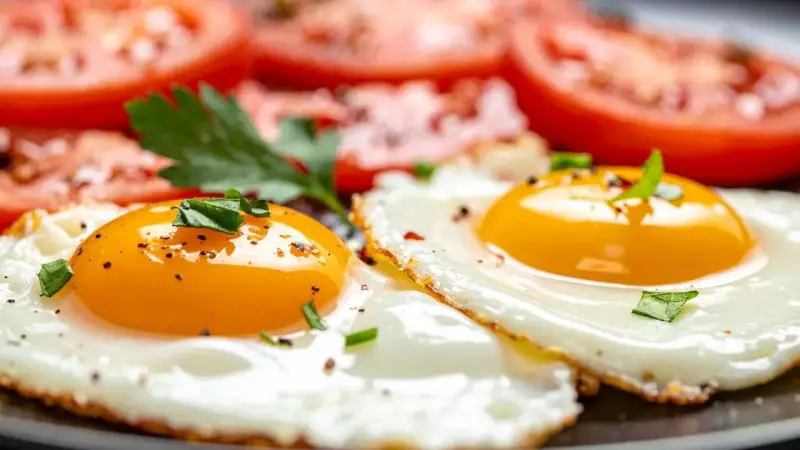
Frying often gets a bad rap due to high-heat cooking. However, by slowing down, you can protect Vitamin B12 effectively. Warm the pan gently, add a small amount of oil, crack in the egg, and immediately reduce the heat. Let the whites set naturally, flip only if desired, and remove the egg before the yolk firms up. Covering the pan briefly traps steam, aiding cooking without scorching, yielding a tasty but not overworked egg.
The Steaming Method
Steaming provides a moist, gentle cooking environment. Crack eggs into heatproof cups or onto a plate that fits inside a steamer. Cover with a lid and check after a few minutes. This technique, popular in Asian kitchens, produces a soft, custardy texture, especially with a splash of milk or water added before steaming. It avoids direct high heat, making it a nutritionally sound choice.
The Bottom Line for Your Breakfast
Eggs are an effortless way to incorporate Vitamin B12 into your diet, but your cooking approach determines how much of it remains. The gentler you treat the yolk, the better you preserve its vitamins. Methods like soft boiling, poaching, low-heat frying, and steaming offer the best compromise. A bright, moist yolk is a good indicator that you've successfully kept the egg nutritious and enjoyable. Next time you cook, simply turn down the heat a notch and keep an eye on the clock. These small kitchen decisions can significantly support your long-term nutrition.
Disclaimer: This information is for educational purposes only and is not a substitute for professional medical, nutritional, or scientific advice. Always consult certified experts for personalised recommendations.