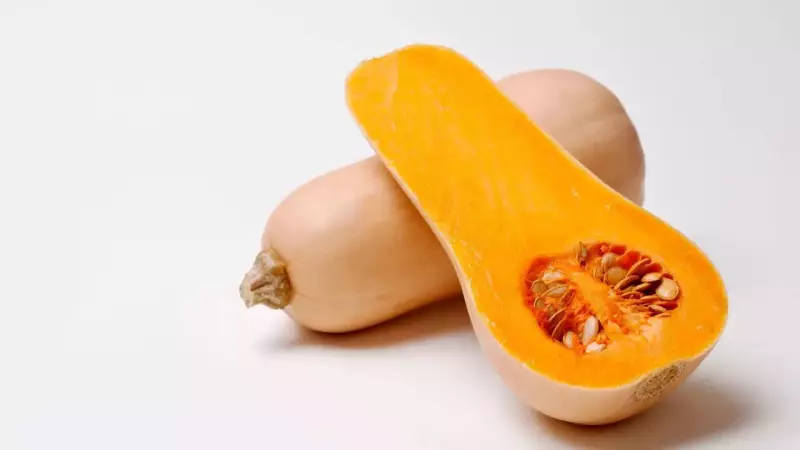
As the winter season sets in, one vegetable stands out for its remarkable combination of warmth, convenience, and dense nutritional value: the butternut squash. This popular gourd, with its pale skin and vibrant orange flesh, becomes delightfully sweet when roasted, steamed, or blended into soups. Beyond its delicious taste, it packs a serious nutritional punch, offering a wide array of vitamins, minerals, and health-boosting compounds that support critical bodily functions. It is naturally low in fat, completely gluten-free, and a powerhouse for improving vision, heart function, and gut health.
Nutritional Powerhouse in a Low-Calorie Package
Butternut squash is a stellar example of nutrient density, providing essential vitamins and minerals with very few calories. It is an excellent source of vitamin A, vitamin C, and potassium, alongside good amounts of magnesium, vitamin E, and folate. The signature orange hue comes from beta-carotene, a plant pigment that the body converts into vitamin A. This nutrient is crucial for maintaining good vision, a robust immune system, and healthy skin. Furthermore, the natural combination of carbohydrates and dietary fiber in butternut squash provides a steady release of energy, helping to avoid the sharp spikes in blood sugar levels caused by refined sugars.
Key Health Benefits You Should Know
The advantages of incorporating this squash into your diet are extensive and scientifically backed.

1. A Natural Shield for Your Eyes
The beta-carotene in butternut squash is vital for preventing conditions like night blindness and poor eyesight. Additionally, this vegetable contains two other potent antioxidants: lutein and zeaxanthin. These compounds act as a natural sunscreen for your eyes, filtering out harmful blue light from digital screens and ultraviolet rays. Together with vitamin C, they help slow the progression of age-related eye diseases such as cataracts and macular degeneration, making butternut squash a must-have for an eye-protective diet.
2. Fights Inflammation and Chronic Disease
Vitamins A, C, and E in butternut squash possess strong antioxidant properties. These antioxidants help the body combat oxidative stress caused by free radicals, unstable molecules that can damage cells. Chronic oxidative stress leads to inflammation, which is a root cause of many serious conditions, including heart disease, diabetes, and certain cancers. Regularly consuming antioxidant-rich foods like butternut squash is a delicious and effective strategy to reduce this risk.
3. Boosts Digestion and Aids Weight Management
Butternut squash is rich in both soluble and insoluble fiber, making it an ideal food for digestive health. Soluble fiber acts as a prebiotic, feeding the beneficial bacteria in your gut. Insoluble fiber adds bulk to stool, promoting regular bowel movements and preventing constipation. The high fiber content also promotes a feeling of fullness, which can curb unnecessary snacking and aid in weight management. This makes it a smart choice for those looking to control their blood sugar and cholesterol levels naturally.
4. Protects and Strengthens Heart Health
This winter squash is an outstanding source of potassium, even surpassing the amount found in bananas. Potassium is essential for regulating blood pressure by counteracting the effects of sodium. Butternut squash also provides magnesium, another mineral vital for cardiovascular health. Magnesium helps relax blood vessels, further aiding in blood pressure control and reducing inflammation. Together, these nutrients support proper fluid balance in the body and contribute to optimal heart function.
How to Enjoy Butternut Squash in Your Meals
Its versatility is one of its greatest assets. For a simple and delicious side, cube it, toss with olive oil, salt, and pepper, and roast until caramelized. It makes a fantastic, healthier alternative to potatoes in fries, curries, stews, or as a creamy mash. Blend cooked squash into smooth soups, add roasted cubes to pasta or salads, or even slice it thinly for a raw salad (though its raw texture can be tough). It can seamlessly replace pumpkin or other vegetables in most recipes, from savory dishes to sweet treats.

Are There Any Side Effects?
For most people, butternut squash is perfectly safe and beneficial. A small number of individuals might experience mild skin irritation from handling the raw squash. Consuming large amounts of beta-carotene-rich foods can sometimes lead to a harmless, temporary yellowing of the skin called carotenemia, which is not dangerous. While it can be eaten raw, cooking is generally preferred to soften its tough texture and enhance its natural sweetness.