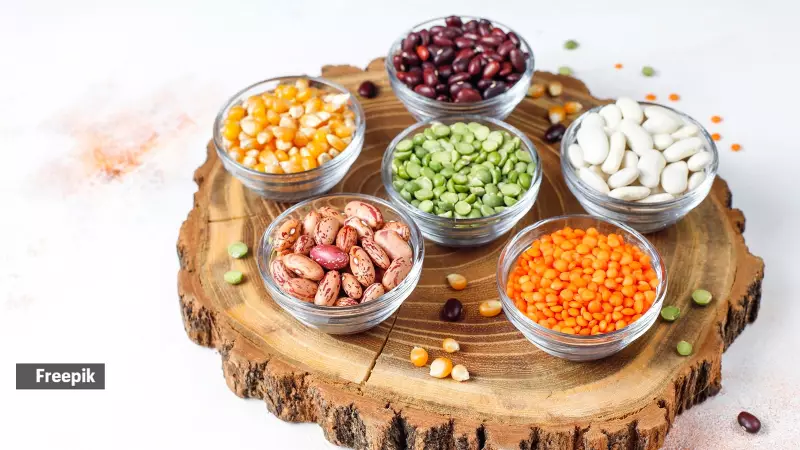
For countless Indian households, a meal is incomplete without a comforting bowl of dal. These protein-packed pulses are dietary staples, yet they often come with an uncomfortable side effect: digestive distress like gas, bloating, and constipation. However, avoiding dals altogether is not the solution, as they are vital for protein intake and overall health. The key lies in understanding which dals are gentlest on your gut and how to prepare them properly.
Science Behind Digestibility: Not All Dals Are Equal
According to clinical dietitian and diabetes educator Malvika Fulwani, several scientific factors determine how easily a dal is digested. Antinutritional factors like phytic acid, lectins, and tannins can interfere with our digestive enzymes. Pulses with naturally lower levels of these compounds, or those processed to reduce them, become easier to digest.
Processing methods such as soaking, sprouting (germination), and thorough cooking (especially pressure cooking) significantly improve a pulse's digestibility by breaking down these complex compounds. Furthermore, the starch structure plays a major role. Dals with lower amounts of resistant starch—which escapes digestion in the small intestine—are generally "easier" on the system compared to those with higher levels.

Ranking the Dals: From Lightest to Heaviest
So, which dal tops the list for being the most digestible? Fulwani identifies mung bean (moong dal) as one of the easiest. It has good starch digestibility, and sprouting it increases the rapidly and slowly digestible starch while lowering resistant starch. This is why moong khichdi is a traditional go-to meal for children, the elderly, and individuals recovering from illness.
Masoor dal (red lentil) is also considered gentle on the stomach, as its proteins and starches are relatively easy to break down. On the other end of the spectrum, dals like chana (chickpea), toor (pigeon pea), and especially urad (black gram) are heavier. They contain more resistant starch and gas-forming oligosaccharides, which, while nutritious, can cause bloating and discomfort in people with sensitive digestion.
"Not all dals are created equal when it comes to digestibility," Fulwani stated. "For stronger digestion or when paired with gut-friendly spices like hing (asafoetida), cumin, or ginger, the heavier dals can absolutely be enjoyed as well."
3 Essential Rules for Consuming Pulses
To enjoy the nutritional benefits of pulses without the digestive drawbacks, Fulwani recommends following three fundamental rules.
Rule 1: Always Soak and Sprout. Soaking and sprouting pulses before cooking is crucial. This process reduces antinutrients, allowing for optimum enzyme action to break down the proteins and starches, leading to better assimilation and less gas.
Rule 2: Combine with Grains or Millets. Improve the amino acid profile by mixing pulses with cereals. The ideal ratio is 1 part pulses to 3 parts rice, or 1 part pulses to 2 parts millets. Pulses are rich in lysine but low in methionine, while grains are the opposite. Combining them creates a complete protein, essential for functions like anti-ageing, bone strength, and immunity.
Rule 3: Embrace Variety. India boasts over 65,000 varieties of pulses and legumes. Consuming at least 5 different types each week and in 5 different forms each month (such as dal, papad, idli, dosa, or halwa) ensures diet diversity, which is key for maintaining healthy gut bacteria.
By choosing the right dal and preparing it wisely, you can transform this humble ingredient from a potential source of discomfort into a powerful pillar of your daily nutrition and well-being.
Disclaimer: This article is based on information from experts in the field. Always consult your healthcare practitioner or a registered dietitian before making significant changes to your diet.