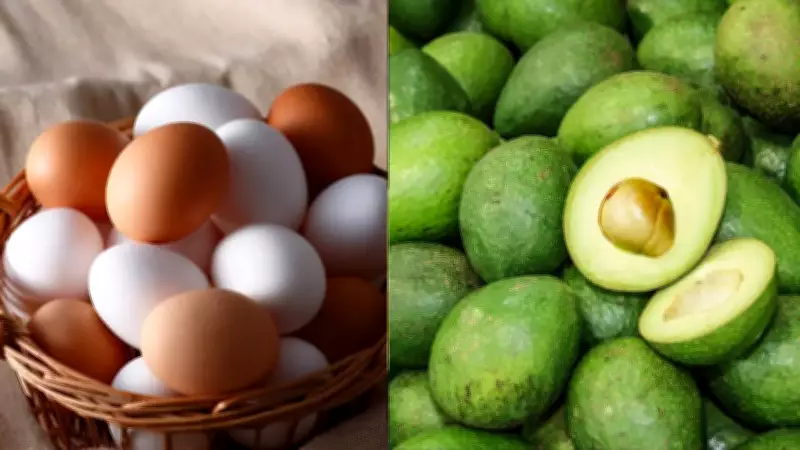
Whether you are trying to lose weight, lean out, build muscles, or simply reduce cravings until lunch, your breakfast choice can make or break your day and diet. Most people rely on carbs to stay full, but health experts suggest protein is key for satiety and diet management. Three foods dominate the protein conversation: eggs, avocados, and cottage cheese. Each offers unique benefits—healthy fats, convenience, or versatility. But which one truly rules the plate in terms of protein power?
Which is More Nutritious?
All three are excellent for boosting protein intake, but here is how they compare nutritionally. Cottage cheese is the clear winner: a half-cup serving of low-fat cottage cheese provides 12 to 14 grams of protein. One large egg contains about 6 grams of protein. A medium avocado, a whole fruit, offers only around 3 grams of protein per serving. To match the protein in a small bowl of cottage cheese, you would need to eat two large eggs or four whole avocados. Eggs come in second, while avocados sit at the bottom. Avocados are highly nutritious but primarily a source of healthy fats, not protein.
Cottage Cheese
Cottage cheese stands out not just for its high protein content but also for the type of protein it contains. It is packed with casein protein, a slow-digesting dairy protein that steadily feeds muscles over several hours. This slow-release effect helps curb cravings and makes it an excellent late-night snack for muscle repair during sleep. It is also ideal for calorie-conscious individuals, as low-fat versions (1% or 2%) provide a large dose of pure protein without a massive calorie load. Plus, it is incredibly versatile—enjoy it savory with cucumbers and black pepper or sweet with fresh berries.

Eggs
Although eggs do not match cottage cheese in protein volume, they hold a special title: the gold standard for protein quality. Whole eggs contain a complete profile of all nine essential amino acids that the body cannot produce on its own. The protein in eggs is absorbed and utilized more efficiently than almost any other food. Do not skip the yolk—while the white contains about half the protein, the yolk provides the remaining half along with vital nutrients like choline, vitamin D, and healthy fats. Eggs are incredibly versatile, whether boiled, scrambled, or poached, offering a quick, budget-friendly source of top-tier nutrition.
Avocado
Let us be honest—avocados should not be eaten for protein. At just 3 grams per fruit, relying on them to meet daily protein goals would be frustrating. However, dismissing avocados because they lose the protein battle is a mistake. Avocados are rich in heart-healthy, brain-healthy, and skin-healthy fats. They also provide fiber, which aids digestion and promotes fullness when combined with protein. Rather than choosing one food, it is better to use them together. Mash avocado on toast and top with an egg or cottage cheese for a balanced mix of protein, fiber, and healthy fats. Avocados are best enjoyed as a complement to protein-rich foods like eggs and cheese.
Which One is Actually Healthier?
The ultimate healthiest choice depends on your body's needs. If your primary goal is muscle building, weight management, or maximizing protein per calorie, cottage cheese and eggs share the crown. Eggs offer the most chemically perfect, easily absorbed protein, while cottage cheese provides the highest volume. However, for overall disease prevention and nutrient density, avocados edge ahead. Their high fiber and heart-healthy fats benefit cardiovascular health and cholesterol in ways that dairy and eggs cannot. Ultimately, none of these foods are unhealthy. The healthiest choice is not picking one—it is pairing them. Eating an egg or cottage cheese alongside avocado gives your body the perfect combination of clean protein, filling fiber, and essential fats.