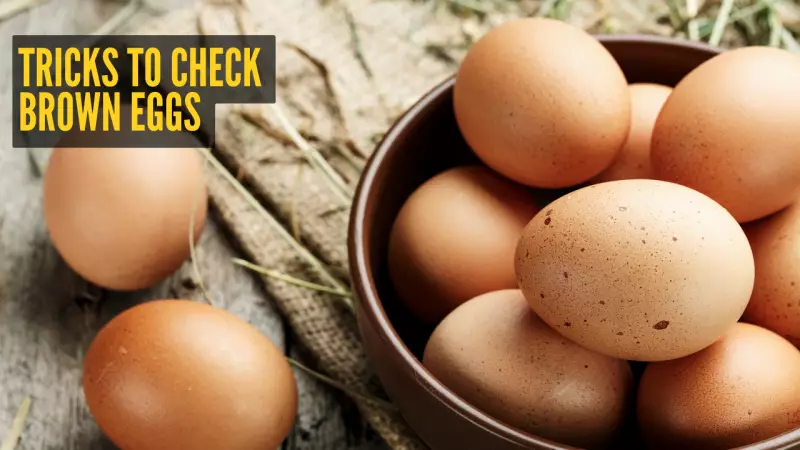
In India, eggs are celebrated as a nutritional powerhouse, packed with protein and essential nutrients that aid in weight loss and boost metabolism. However, a concerning trend of food adulteration has emerged, with unscrupulous sellers painting white eggs brown to sell them at a premium. This report reveals how you can easily identify genuine brown eggs and separates fact from fiction regarding their nutritional value.
The Truth About Brown vs. White Eggs
Contrary to popular belief, brown eggs are not inherently more nutritious than white ones. According to a report by The Nutrition Source, the colour and size of an egg are solely determined by the breed of the hen, which can produce shells in white, cream, brown, blue, green, or even speckled varieties. The yolk colour is influenced by the poultry feed, not its nutritional content.
The core nutritional profile—including moisture, protein, fat, and mineral content—is virtually identical for both white and brown eggs. While brown-shelled eggs may be slightly heavier by about 1 gram on average, this difference is nutritionally insignificant. Minor variations in fatty acids, vitamins, or shell thickness observed in some studies are linked more to the hen's strain, diet, and living conditions than to the shell colour itself.

Simple Home Tests to Detect Painted Eggs
With adulteration on the rise, here are two quick and reliable methods you can use at home to check if your brown eggs are natural or artificially coloured.
The Vinegar Rub Test
This test exploits the reaction between vinegar and synthetic dyes. Take a cotton ball or tissue, dip it in plain white vinegar, and gently rub the eggshell for 10 to 15 seconds. If the egg is painted, the colour will smudge, lighten, or leave brown streaks on the cotton. A naturally brown eggshell will not bleed or fade, as its pigment is integrated into the shell and does not react with vinegar.
The Scratch or Peel Spot Test
For this check, use your fingernail, the edge of a spoon, or a piece of sticky tape. Lightly scratch a small area on the shell or apply the tape and peel it off gently. A painted egg will reveal a lighter patch where the colour has been scraped or lifted. In contrast, a natural brown eggshell has uniform colour throughout its surface layer and will not peel like a coat of paint.
Understanding the Nutritional Facts
To make informed choices, it's crucial to know what you're consuming. A standard boiled or poached egg weighing approximately 44 grams provides a rich array of nutrients:
- 5.5 grams of protein
- 4.2 grams of total fat
- 162 mg of cholesterol
- Essential minerals including 24.6 mg calcium, 0.8 mg iron, 5.3 mg magnesium, 86.7 mg phosphorus, 60.3 mg potassium, 0.6 mg zinc, and 13.4 mcg selenium.
These values remain consistent regardless of the shell's colour. The primary issue with painted eggs is not a change in nutrition but the deception and potential use of harmful, non-food-grade dyes that could pose health risks.
As consumers become more health-conscious, vigilance against food fraud is paramount. By using these simple tests, you can ensure you are paying for what you truly intend to buy—a natural, wholesome product. Always purchase eggs from reputable vendors and remember that when it comes to nutrition, the colour of the shell is just a shade, not a guarantee of quality.