

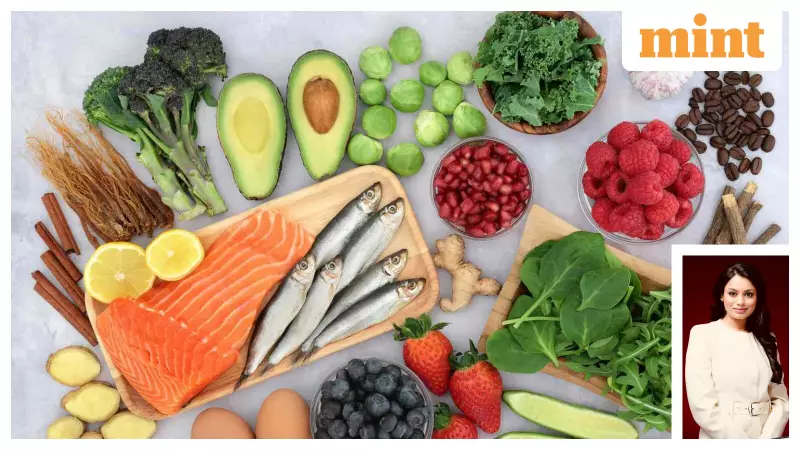
While wrinkles and grey hair are the most visible signs of getting older, the ageing process actually begins deep within our bodies long before these changes show up on the surface. As time passes, this internal ageing can accelerate, but the choices we make, especially about the food we eat, hold immense power to slow it down. According to leading nutritionist Dr Rohini Patil, the secret to a more youthful vitality might just be hiding in your kitchen.
"What if I told you that you can find the secret to staying youthful in your kitchen? It's true!" Dr Patil tells Health Shots. "The foods we eat greatly affect how we age and our overall health and lifespan. I have dedicated my life to nutrition, and there is a nutrition plan that focuses on preventing ageing that can help you stay healthy as you get older."
How Your Lifestyle Directly Influences Ageing
Ageing is a natural part of life, but our daily habits can either put the brakes on this process or push the accelerator. Dr Patil explains that chronic inflammation and oxidative stress are two key internal forces that drive ageing, leading to cellular damage and a host of health issues. The good news is that a targeted nutritional strategy can directly counter these effects.

"My anti-ageing strategies focus on reducing inflammation, promoting cell repair, and enhancing overall health through informed food choices," says the nutritionist.
Your Action Plan for Healthier Ageing
Dr Rohini Patil outlines a clear, actionable nutrition plan to help your body age in a healthier, more graceful way. This plan is designed to lower oxidative stress, combat cell damage, and keep you feeling energetic.
1. Embrace an Anti-Inflammatory Diet
The cornerstone of any effective anti-ageing regimen is an anti-inflammatory diet. This approach prioritises whole, plant-based foods that are bursting with protective nutrients. "Vegetables, fruits, legumes, whole grains, and healthy oils contain many compounds that fight inflammation and protect against damage from free radicals," Dr Patil states. By reducing both oxidative stress and chronic inflammation, these foods tackle ageing at its root.
Suggestions for your plate:
- Colourful Veggies and Fruits: Ditch the fried snacks and fill your plate with a rainbow of vibrant, nutrient-dense produce like bell peppers, berries, spinach, and sweet potatoes.
- Nutrient Highlights: Make a conscious effort to include foods rich in vitamin C, polyphenols, and other antioxidants. Oranges, blueberries, and green tea are excellent for boosting skin health and providing cellular protection.
2. Prioritise High-Quality Protein
Maintaining strong muscles and a robust immune system becomes increasingly vital as we age. Protein is the essential building block that aids in muscle repair and supports overall cell health. "Including good sources of protein in every meal can benefit health," Dr Patil shares. Consistent protein intake helps rebuild tissue and counteract the natural muscle weakening that occurs over time.
Protein-packed choices:
- Diverse Sources: Ensure you get a variety of proteins from foods like fish, eggs, legumes, and low-fat dairy.
- A diet balanced with adequate protein also assists in hormone production and helps stabilise blood sugar, leading to a more balanced and efficient metabolism.
3. Practice Calorie Moderation and Mindful Eating
Intermittent fasting offers surprising benefits for longevity and mindful eating. This practice isn't about deprivation; it's about giving your body time to heal and reset. "Instead of snacking without thinking, it teaches you to distinguish between emotional cravings and genuine hunger," explains Dr Patil. Fasting, therefore, is more about eating smart than simply eating less.
Fasting guidelines:

- Create a Time Window: A simple method is to finish your dinner by 8 PM and have breakfast around 8 AM. This creates a 12-hour fasting window that allows your body to focus on rejuvenation.
- Avoid Distractions: When you eat, turn off the TV and put away your phone. Focusing on your meal helps you tune into your body's signals of fullness, which naturally prevents overeating.
4. Avoid Smoking and Excessive Alcohol
Smoking and heavy drinking are notorious for harming cardiovascular health and accelerating skin ageing. These habits can quickly lead to premature wrinkles and a dull, lacklustre complexion.
Steps toward healthier choices:
- If you struggle to quit smoking or reduce your alcohol intake, do not hesitate to seek professional guidance from a healthcare provider.
- The most effective strategy of all is to avoid starting these habits in the first place.
5. Stay Hydrated and Balance Key Minerals
Never underestimate the power of hydration, even during a busy day. Drinking sufficient water is crucial for maintaining supple skin and supporting joint health.
Hydration tips:
- Always Carry Water: Keep a water bottle with you during errands or outdoor activities to ensure you stay consistently hydrated.
- Regular Sips Over Gulping: Drink small amounts of water throughout the day rather than waiting until you are parched.
- Eat Hydrating Foods: Include fruits and vegetables with high water content in your diet, such as cucumbers and watermelon, which also help maintain a healthy electrolyte balance.
Fuel Your Body for a Youthful Future
Adopting a healthy, intentional diet is one of the most powerful tools we have to combat the ageing process. It can effectively lower inflammation, build and preserve stronger muscles, and significantly boost your overall well-being. "Foods rich in vitamin C and polyphenols help support gut health and boost cell function," Dr Patil explains. By making these thoughtful dietary changes, you can actively enhance both your long-term health and your daily energy levels.
(Note to readers: This article is for informational purposes only and is not a substitute for professional medical advice. Always consult your doctor with any questions about a medical condition.)





