

For women in India, the journey to heart health is rarely marked by sudden, dramatic events. Instead, it is quietly sculpted by the rhythm of daily life—the rushed mornings, the skipped meals, the persistent fatigue, and the convenient snacks that fill time rather than nourish the body. Over years and decades, these seemingly minor patterns accumulate, silently influencing cardiovascular well-being.
The Silent Architects of Heart Health
Renowned celebrity nutritionist Rujuta Diwekar, a staunch advocate for women's health, underscores a fundamental principle. She advises against remaining on an empty stomach for extended periods and recommends cultivating the habit of eating something small every two hours. Her morning prescription is simple yet powerful: "Instead of beginning the day with tea or coffee, one should either have a fruit or a handful of soaked nuts."
Echoing the importance of integrating wholesome foods into daily routines, Gunjan Vijay Jain, President of the Nuts and Dry Fruits Council (India), highlights a cultural shift that is urgently needed. He points out that in India, healthy options like fruits and nuts are often perceived as luxury items or festive additions, not as staples for everyday meals. "But this really needs to change," he asserts, "as these tiny pockets of energy pack with them a very high amount of nutrition which is the need of the hour. Women should essentially incorporate healthy and nutritious foods like nuts and fruits in their diet."

Eight Everyday Food Habits That Matter More Than We Realise
The experts identify several common dietary patterns that have a profound, understated impact on a woman's heart health over the long term.
1. The Hidden Cost of Irregular Eating
Pushing meals aside because something else feels more urgent feels harmless in the moment. However, consistently eating late or skipping meals disrupts energy levels and places undue strain on the body's systems, including the heart.
2. Quality of Fat Trumps Quantity
The goal is not to eliminate all fat. The real issue arises when fried and heavily processed foods become a routine part of the diet. This pattern quietly affects blood circulation and cholesterol profiles.
3. Chronic Fatigue is Not a Normal State
Constant tiredness is often dismissed as an inevitable part of a busy life. Yet, nutritional deficiencies, particularly in energy-boosting nutrients and iron, can force the heart to work harder than it should.
4. The Steadying Power of Simple Nuts
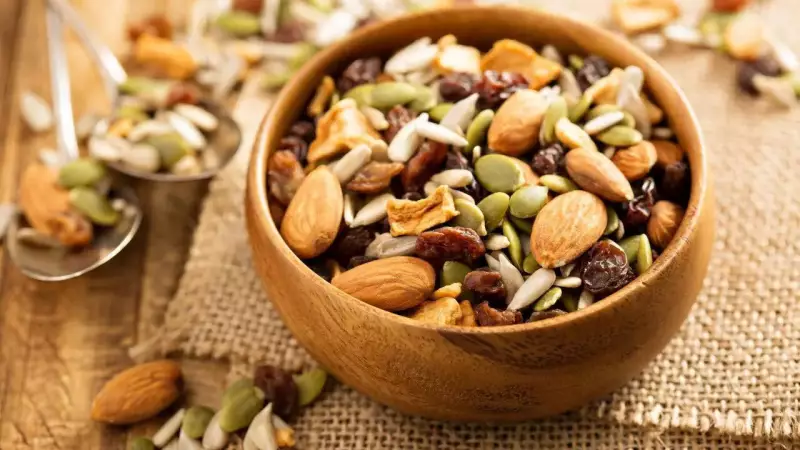
A modest portion of almonds, walnuts, pistachios, or cashews is not a miracle cure, but it helps stabilize energy levels and reduces dependence on unhealthy packaged snacks.
5. Digestion's Ripple Effect on the Heart
When digestion is compromised, it can lead to systemic inflammation. This internal stress does not remain confined to the gut; it eventually impacts heart health as well.
6. Dry Fruits as Sustained Energy Allies
Figs, dates, raisins, and prunes are frequently underestimated. Consumed in small amounts, they aid digestion and provide sustained energy to power through long days.
7. Lightening the Evening Meal Load
Late, heavy dinners force the digestive system to work overtime when it should be winding down. Opting for lighter evening foods, such as makhanas (fox nuts), promotes better rest and recovery.
8. Consistency Over Perfection
There is no single, perfect diet to follow forever. The key lies in sustainable consistency—rotating different nuts like almonds, walnuts, or hazelnuts through the week and striving to eat meals on time.
The Path Forward: Small Shifts, Lasting Impact
Heart health for women does not transform overnight. It shifts gradually, responding to the small, quiet habits repeated day after day. Food does not need to be complicated or restrictive; it simply needs to be consistent, nourishing, and integrated thoughtfully into daily life. By re-evaluating these eight everyday habits, Indian women can take powerful, proactive steps toward long-term cardiovascular wellness.






