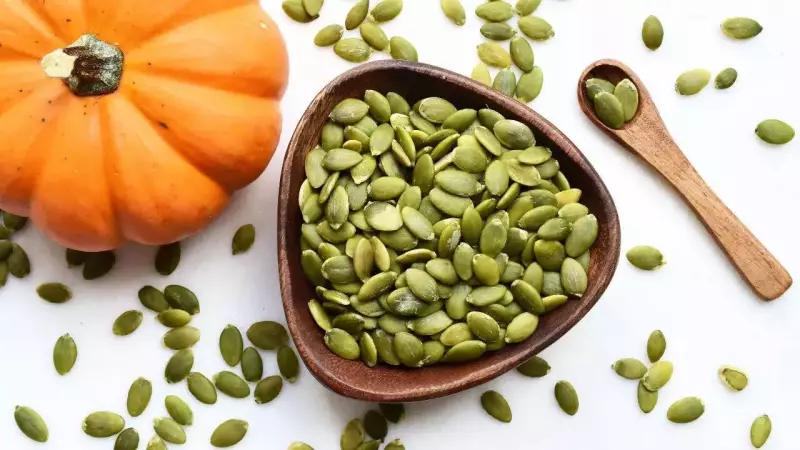
Often dismissed as a mere garnish or a festive season snack, pumpkin seeds are quietly staging a nutritional revolution. These small, green kernels are emerging from the shadows to challenge the reign of celebrated superfoods, offering a dense package of protein, minerals, and health benefits, particularly for those on plant-based diets.
The Protein Face-Off: Seeds vs. The Mighty Egg
The comparison might seem unlikely, but nutritionists point out a compelling fact: a single ounce (about 28 grams) of pumpkin seeds can deliver more protein than a whole large egg. While a typical egg provides around 7 grams of animal protein, a quarter cup of pumpkin seeds offers approximately 10 grams of plant-based protein. This makes them an excellent, convenient tool for boosting daily protein intake, especially for vegetarians and vegans.
However, the story of protein is not just about quantity; quality is paramount. Proteins are built from amino acids, nine of which are essential and must come from our diet. Here, pumpkin seeds reveal their limitation. Although they contain all nine essential amino acids, they do not have adequate amounts of certain ones, like methionine and tryptophan, to be classified as a "complete" protein. In contrast, eggs contain all essential amino acids in the ideal ratios, setting a high standard for protein quality. To compensate, pairing pumpkin seeds with other foods rich in the missing amino acids is key for a balanced diet.

Magnesium Marvel: The Sleep and Relaxation Mineral
Where pumpkin seeds truly outshine eggs is in their magnesium content. This is a game-changer for many. One ounce of pumpkin seeds provides a whopping 168 milligrams of magnesium, whereas a large egg contains only about 6 milligrams. Magnesium plays a critical role in muscle relaxation, nervous system regulation, and promoting quality sleep.
The mineral aids in regulating GABA, a neurotransmitter that calms brain activity and encourages sleep. Deficiencies in magnesium have been linked to poor sleep, making a handful of pumpkin seeds a potentially smart addition to an evening snack. Yet, for a truly restful night, they shouldn't work alone. The amino acid tryptophan, crucial for producing sleep hormones like melatonin and serotonin, is found in much higher quantities in eggs (84 mg) than in pumpkin seeds.
A 2020 study in the journal Nutrients highlighted that diets rich in tryptophan improved sleep onset, duration, and reduced nighttime awakenings. Therefore, while pumpkin seeds contribute magnesium, achieving sound sleep may require combining them with other tryptophan-rich foods.
Beyond the Seed: The Pumpkin's Own Nutritional Bounty
The spotlight on the seeds shouldn't overshadow the nutritional value of pumpkin flesh itself. A cup of cooked pumpkin contains a mere 49 calories, making it a stellar choice for weight management. It is also a rich source of vitamins A (from beta-carotene) and C, potassium, fibre, and antioxidants.
These compounds work in synergy: Vitamin A supports immunity and vision, Vitamin C aids collagen production, potassium helps manage blood pressure, and fibre promotes digestive health and stable blood sugar levels. This profile solidifies pumpkin's status as a versatile and highly beneficial vegetable for overall wellness.
In conclusion, pumpkin seeds are far more than a seasonal treat. They are a potent, plant-based source of protein and an exceptional supplier of magnesium. Understanding their strengths alongside their amino acid profile allows consumers to integrate them wisely into their diet. Paired with complementary foods and enjoyed alongside the pumpkin's flesh, they form part of a powerful, holistic approach to nutrition.